

News from Our Journals
Browse News by Journal
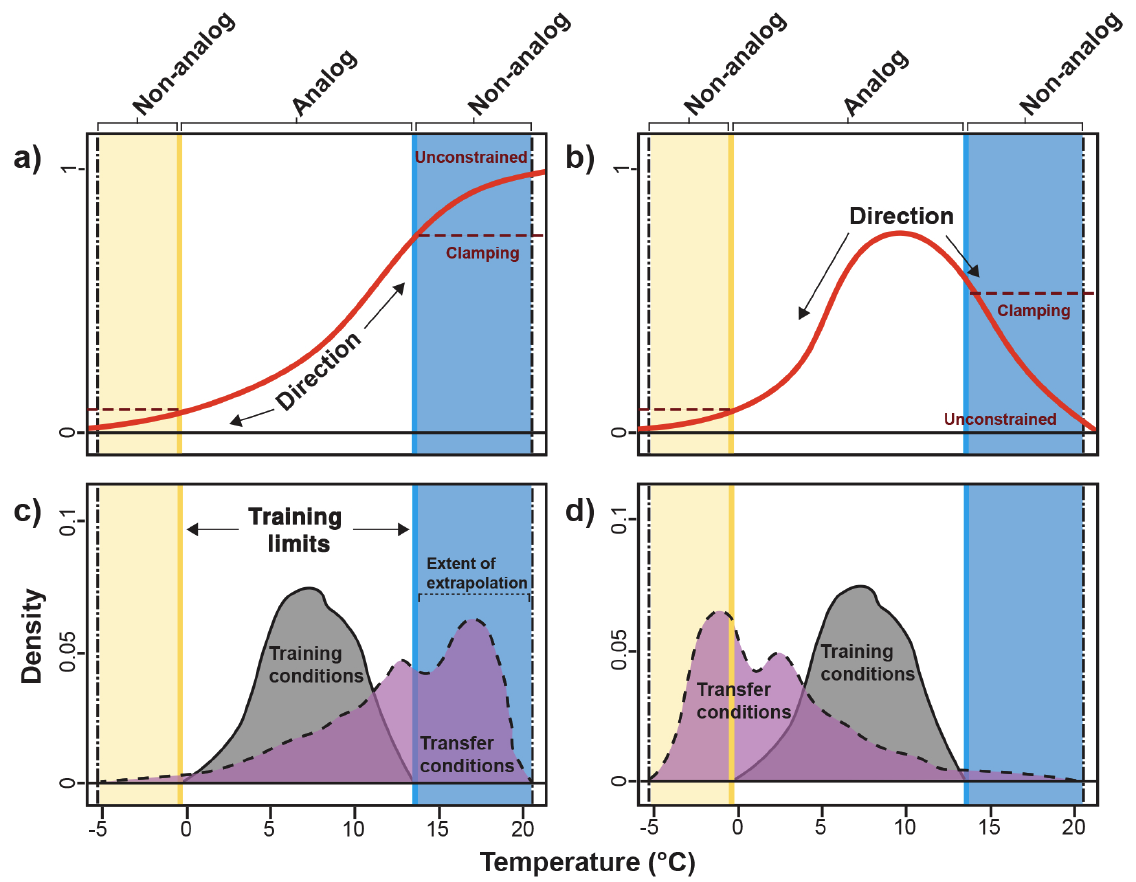
Study | To clamp or not to clamp? That is the extrapolation question
Species distribution models often extrapolate when transferred to novel climates or regions—and how you handle that extrapolation can drastically change your predictions. A new ENMeval workflow helps you visualize model behavior and choose the best strategy for each variable, leading to more realistic forecasts.
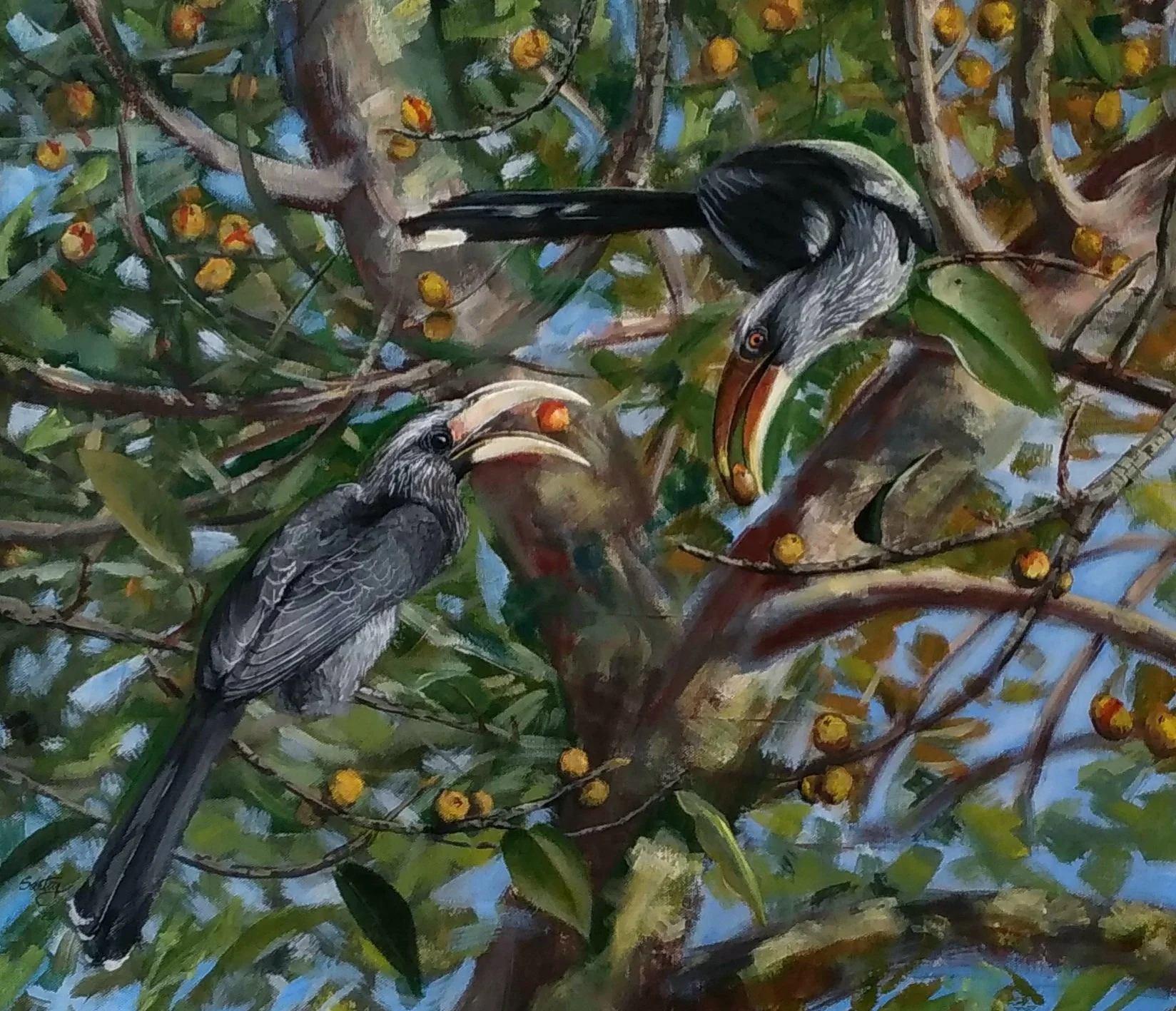
Field Story | An Encounter in the Elephant Hills
A field story by Rintu Mandal, narrating a chase by an elephant in the forests of the Western Ghats during data collection for this study. Illustration by Sartaj Ghuman.
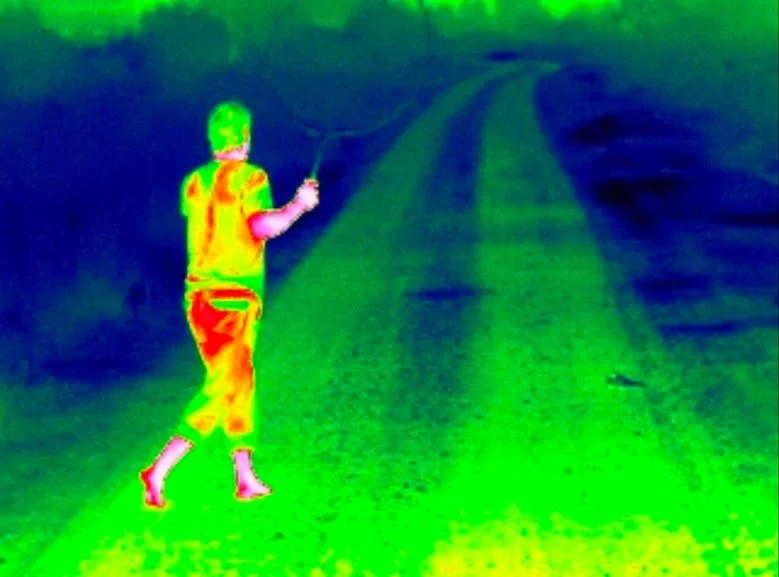
Study | Migratory nightjars roost on asphalt to reduce thermoregulatory costs and increase fuel accumulation
An 8-year study of red-necked nightjars found that birds preferentially roosted on thermally favorable asphalt roads during moonlit nights, potentially reducing thermoregulatory costs. This behavioral thermoregulation may improve energy balance and facilitate faster fuel deposition before migration.

New Editor | Diego Santiago Alarcon, subject editor for JAB
We welcome Diego Santiago Alarcon to the editorial board of Journal of Avian Biology! Diego is a disease and community ecologist studying how human infuences shape bird-parasite interactions.

New Editor | Pierre-Paul Bitton, subject editor for JAB
We welcome Pierre-Paul Bitton to the editorial board of Journal of Avian Biology! Pierre-Paul is a seabird ecologist studying visual communication, coloration and social networks.
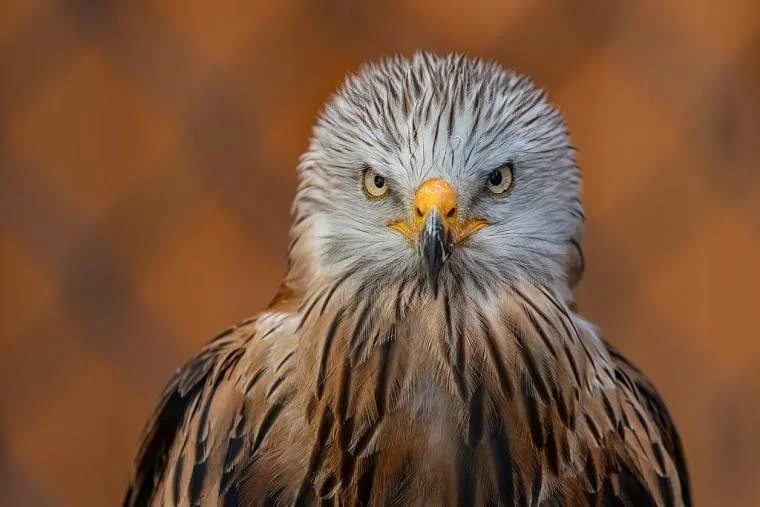
Journal Update | Journal of Avian Biology launches a new article type
To help launch our new article type, ‘Methods and Tools’, we have put together a Virtual Issue of method-focused Research Articles or Short Communications that have been published in the journal during the last three years.
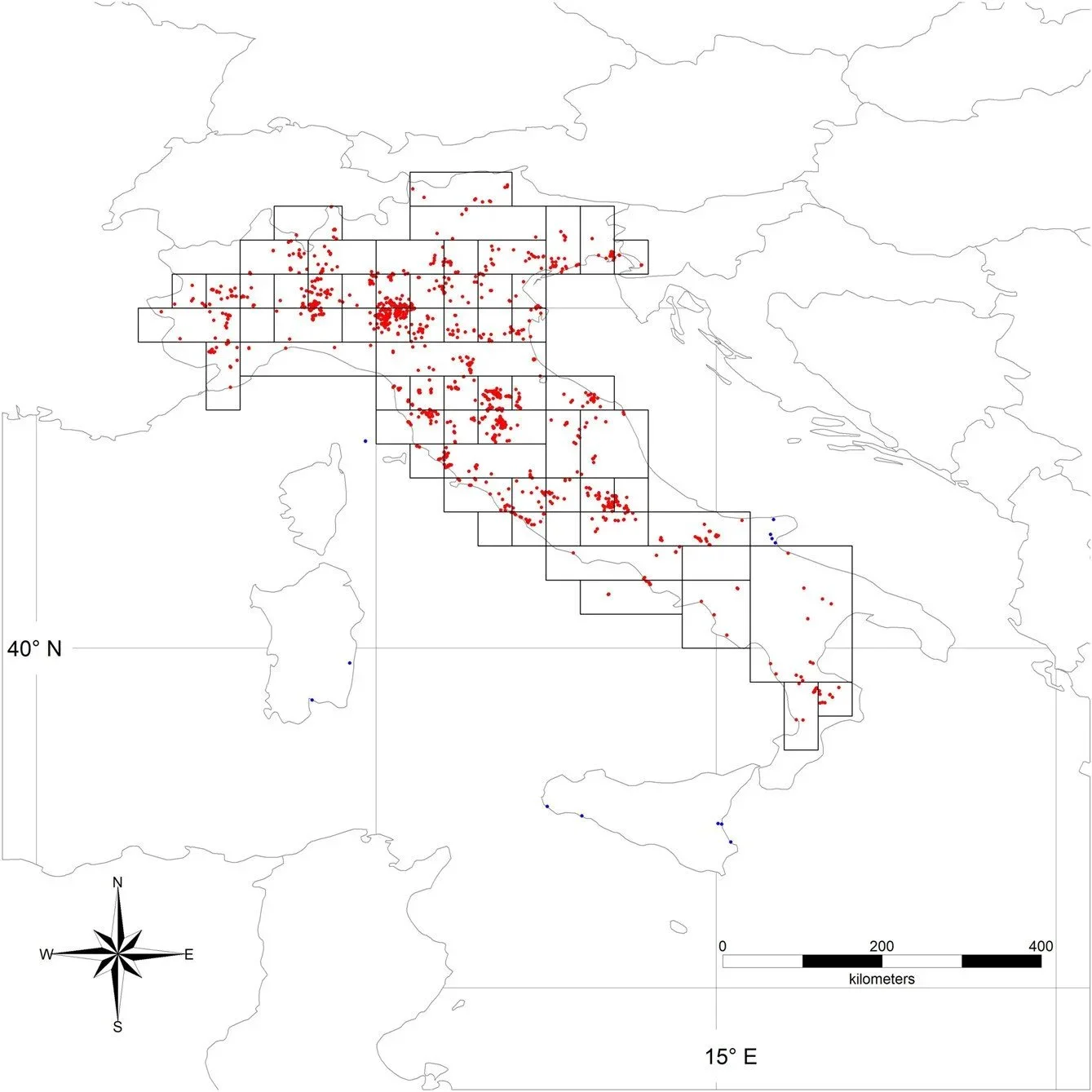
Editor’s Choice | Citizen Science Reveals Hidden Migration Timelines
The editor’s choice for our May issue is “Climatic variation affects seasonal survival of an alpine bird species” by Mckinlay et al.

Study | Counting deer from the sky: drones in steep terrain
For species like red deer (Cervus elaphus), obtaining precise and accurate population estimates is essential. Traditional survey methods often struggle; therefore we explored how unmanned aerial vehicles (UAVs) can be used to estimate absolute population density of red deer in such challenging environments.
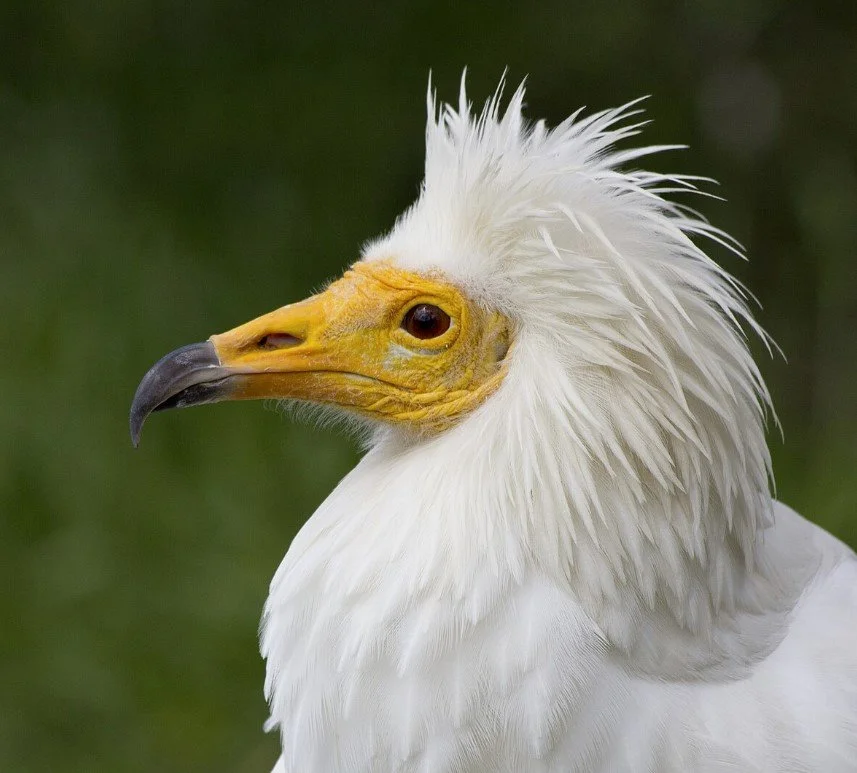
Study | Balancing moult, migration, and breeding in a long-lived partial migrant raptor
Balancing moult, migration, and breeding is not simply a matter of distance travelled. It is the outcome of a complex energetic compromise shaped by climate, life stage, and reproductive demands.
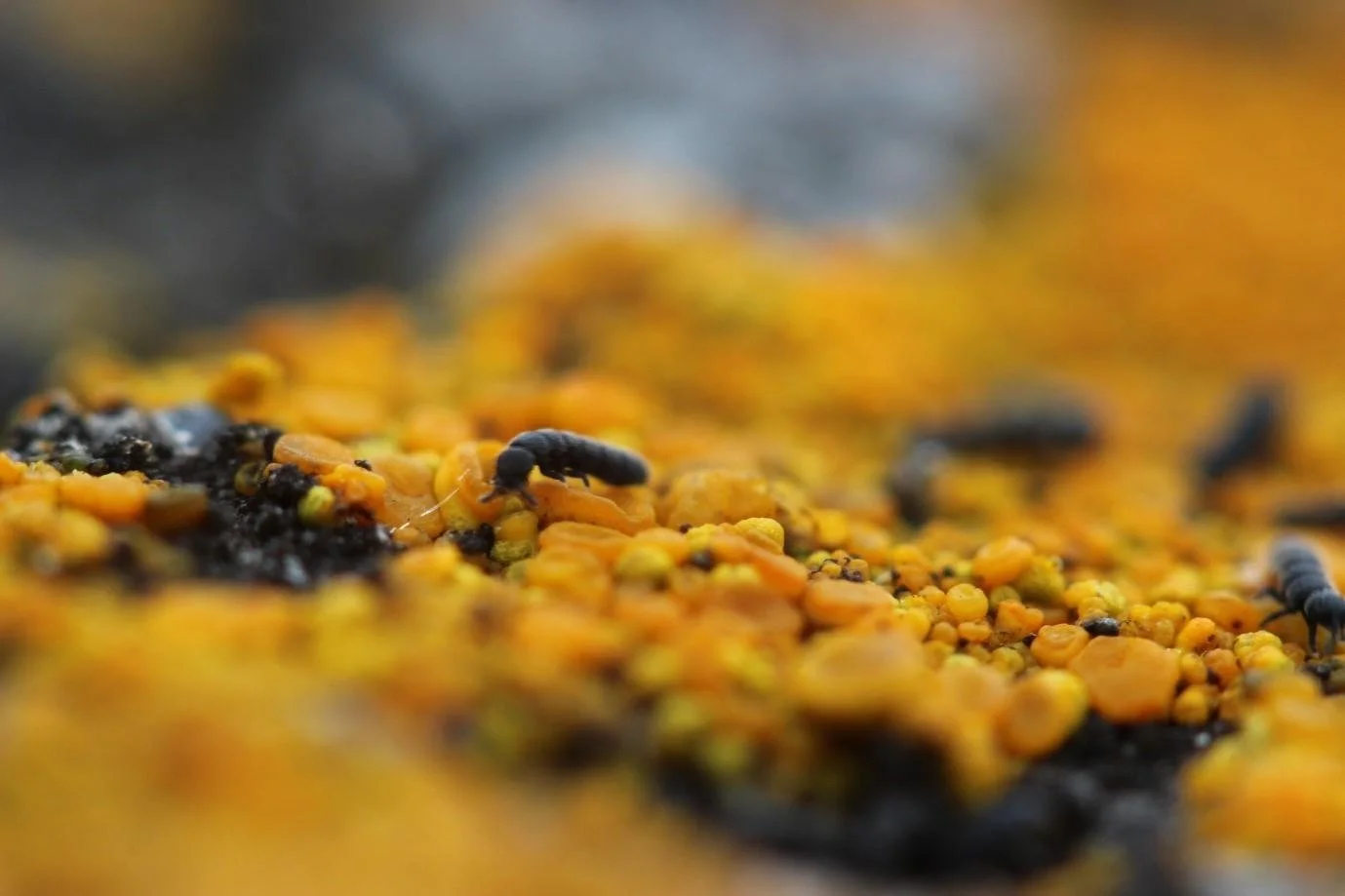
Study | The small hosting the small in Antarctica
In the tiny ice-free areas of Antarctica, carpets of mosses, lichens, and algae form miniature forests. These patches host Antarctica’s terrestrial animals: billions of mites and springtails.
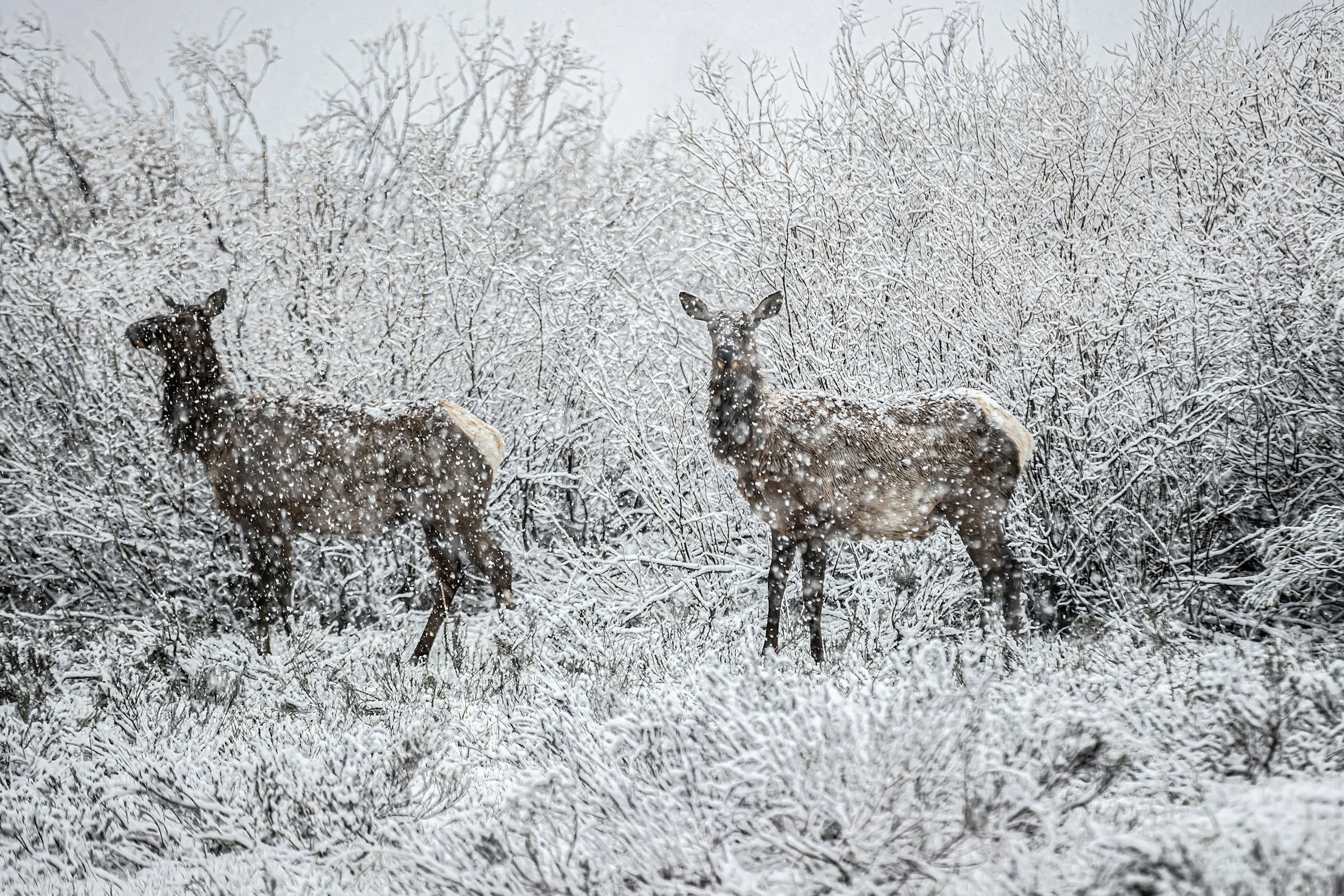
Editor’s Choice | Environmental predictability and mule deer movement
The editor’s choice for our January/February issue is the article by Stranden et al. (2025): “Differential effects of environmental predictability on ungulate movement behavior in disparate ecosystems.”
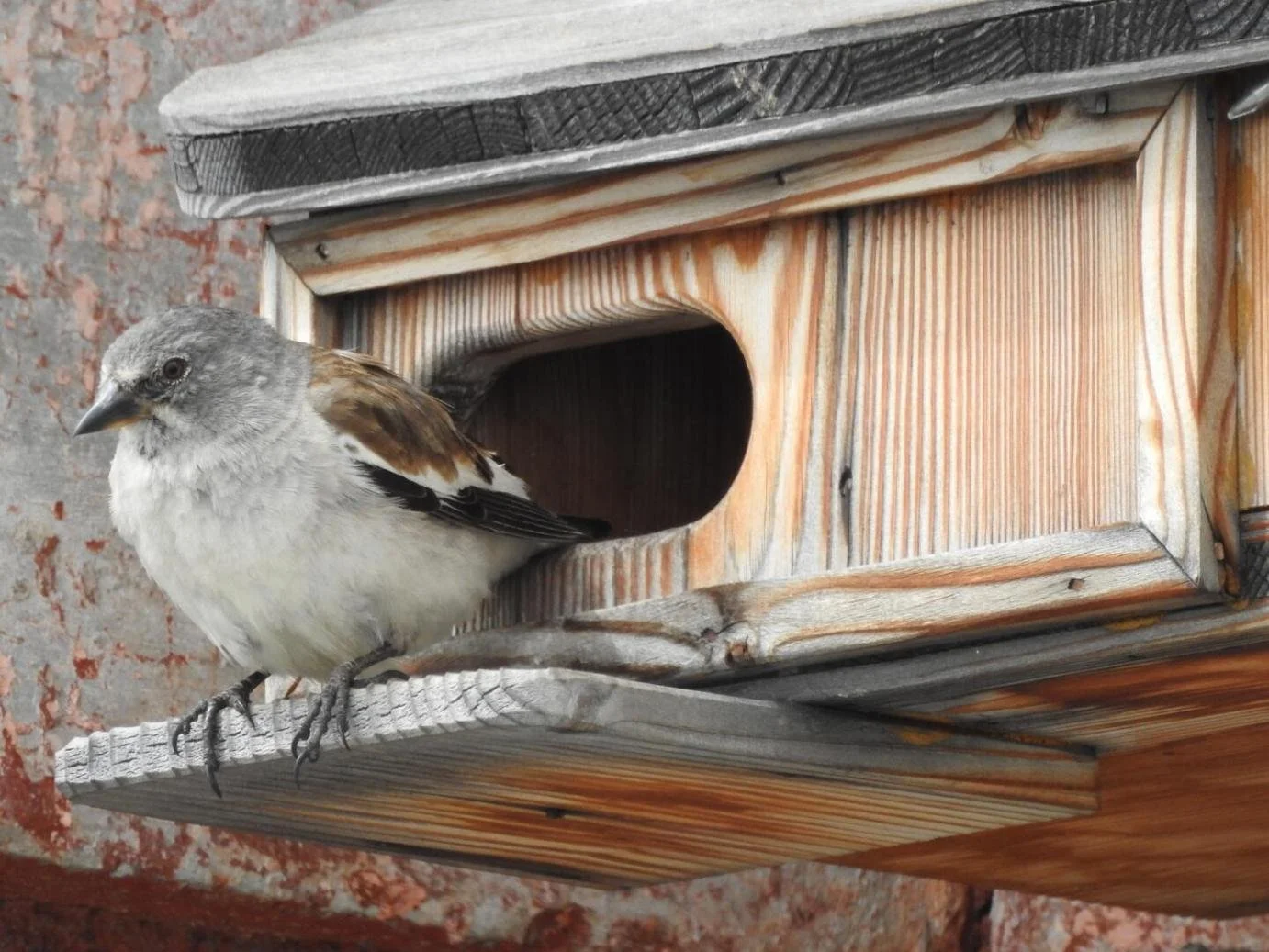
*Study | The importance of snow cover (and elevation) on nest-box use in an alpine bird
Living at high elevations means having to cope with extreme and unpredictable conditions. It also means that evolution has shaped for you a special relationship with snow.
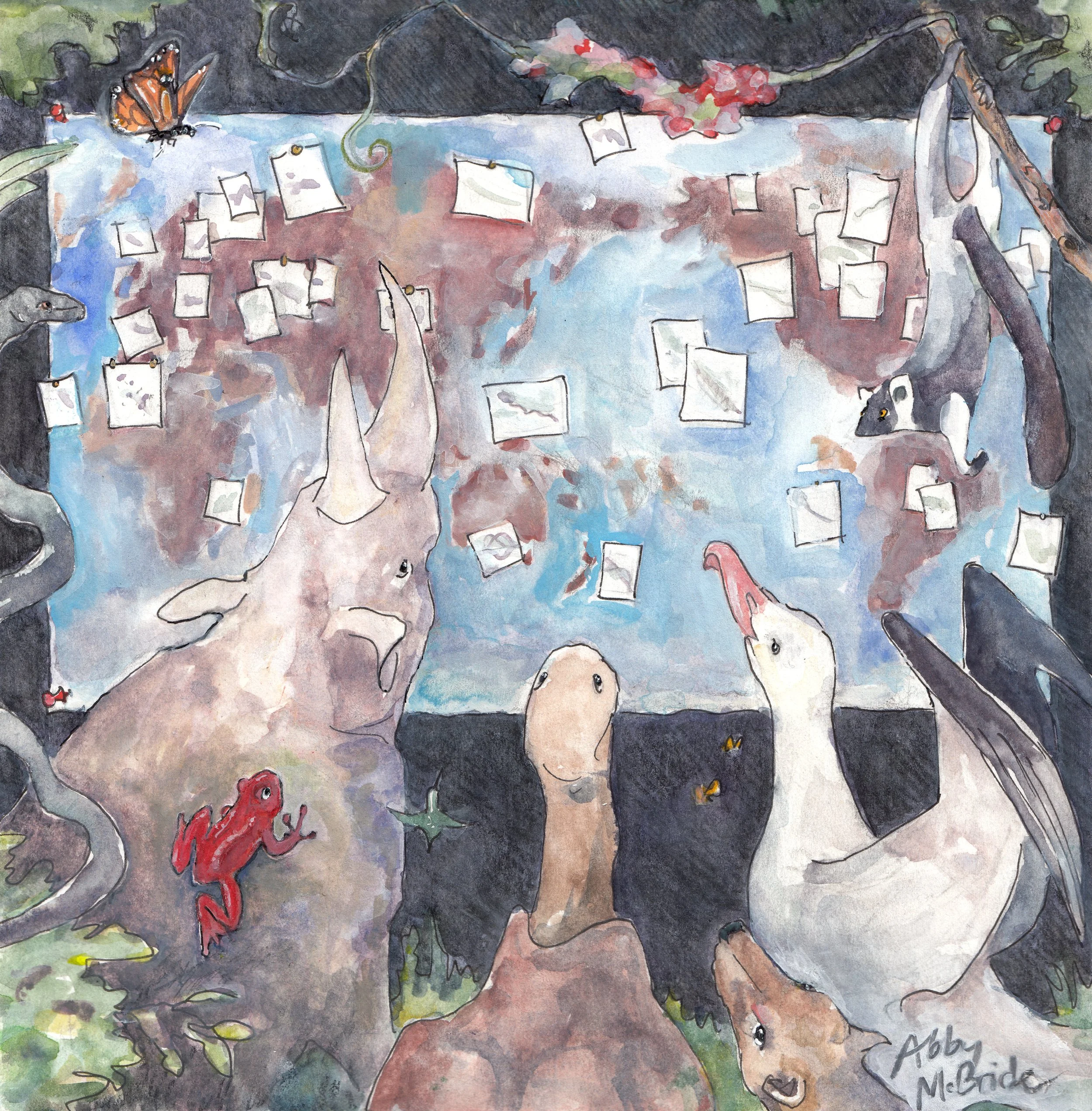
Forum | Sources of confusion in global biodiversity trends
Sounds counterintuitive: if we want to mitigate global loss of biodiversity, we should take a hard look at research that seems to contradict biodiversity loss.
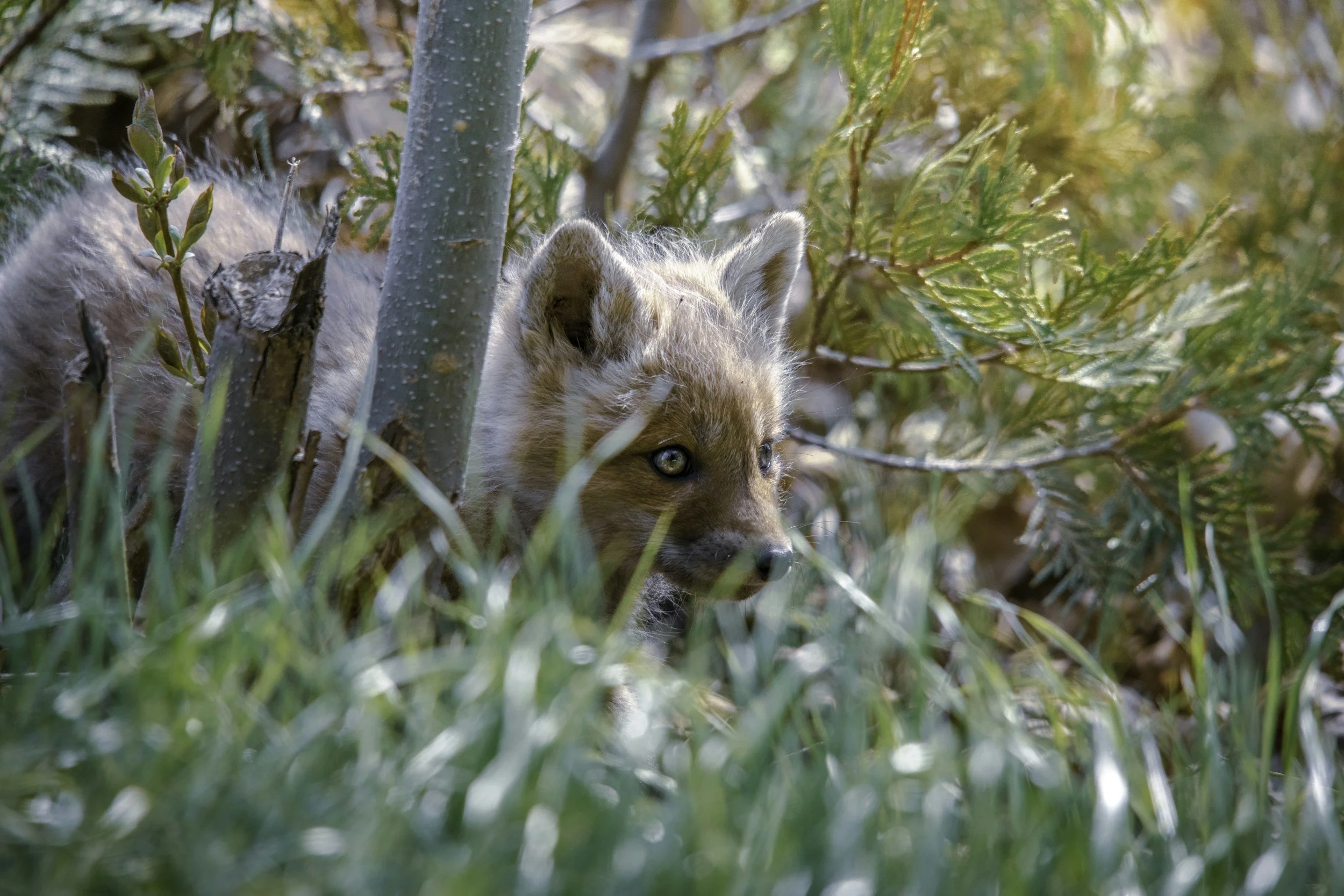
*Editor’s Choice | Ecology of swift foxes in a novel landscape beyond their range
The editor’s choice for November/December 2025 is the article by Smith et al.: “Heading west: Ecology of swift foxes in a novel landscape beyond their range.”
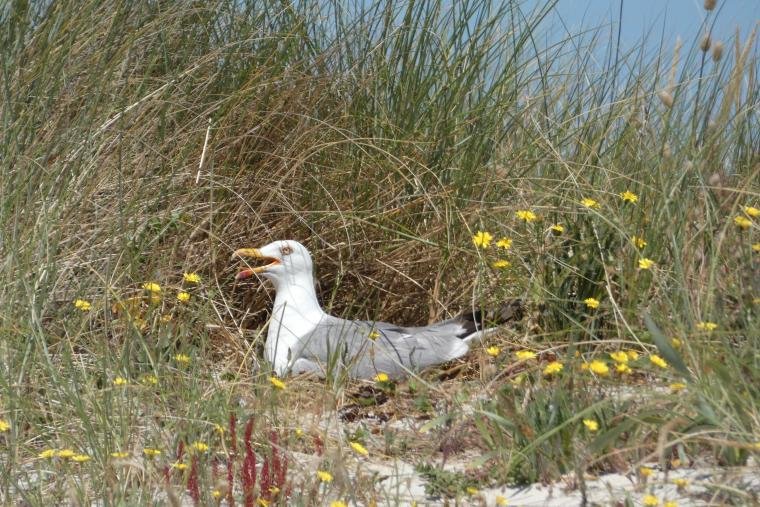
*Study | Gulls promote multi-species colonies as they leave former refuges
The yellow-legged gull (Larus michahellis) is often considered an over-abundant pest species, stemming from a belief that is not entirely correct.

Call for Papers | Special issue “Tundra Transitions”
Due by 30 Nov 2025: NJB invites abstract submissions to the special issue “Tundra Transitions: Understanding Vegetation Change Across Scales and Systems.”
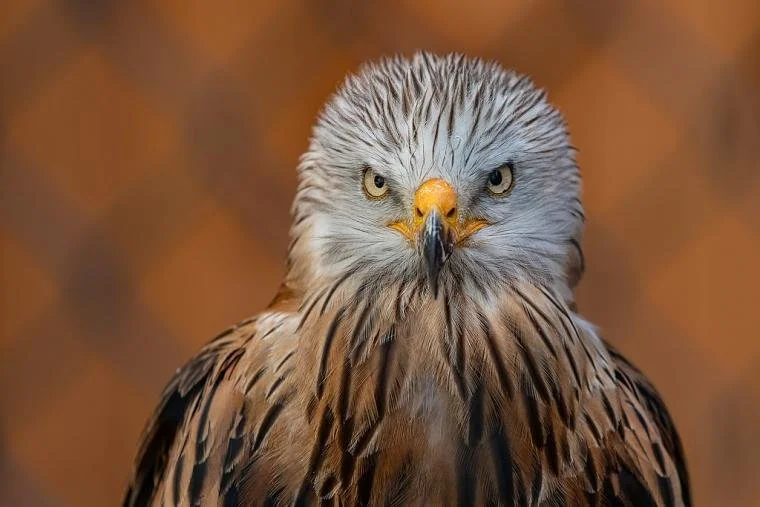
*Study | Brood awakening: how red kites weigh risk like feathered economists
Parental care is a balancing act — parents must protect their young while minimizing risks to themselves, to ensure current, but also future reproductive success.

*Editor’s Choice | Climatic variation affects seasonal survival of an alpine bird species
The editor’s choice for July/August 2025 is the article by Eriksen et al.: “Climatic variation affects seasonal survival of an alpine bird species”
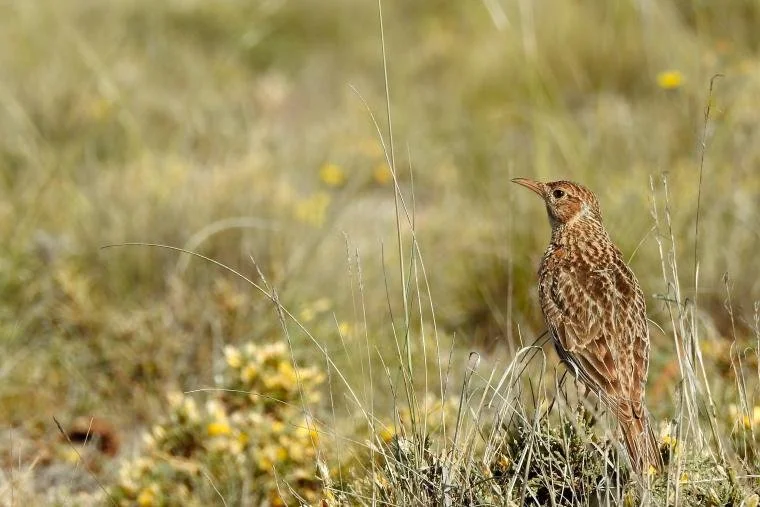
*Study | Overcoming technological constraints in the tracking of small, elusive birds
Advances in GPS and biologging technology have greatly enhanced our understanding of wildlife ecology, providing valuable data on movement, habitat use, behaviour, and biological rhythms.
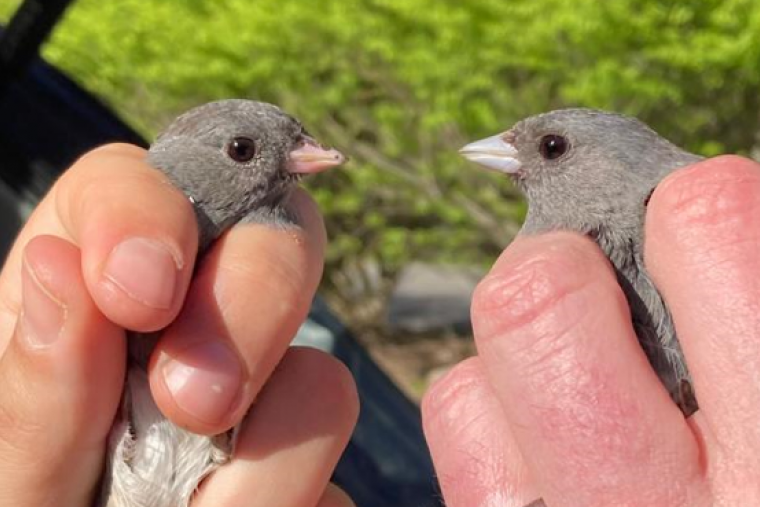
*Study | Mechanisms matching timing to resources: comparisons of closely related seasonally sympatric, migratory and non-migratory populations
The climate is warming, and many bird species are keeping up by altering when they migrate, breed, and molt, that is, by altering their phenology. To make accurate predictions about future responses to climate warming, knowledge of the mechanisms regulating timing is needed.