
Editor’s Choice | Environmental predictability and mule deer movement
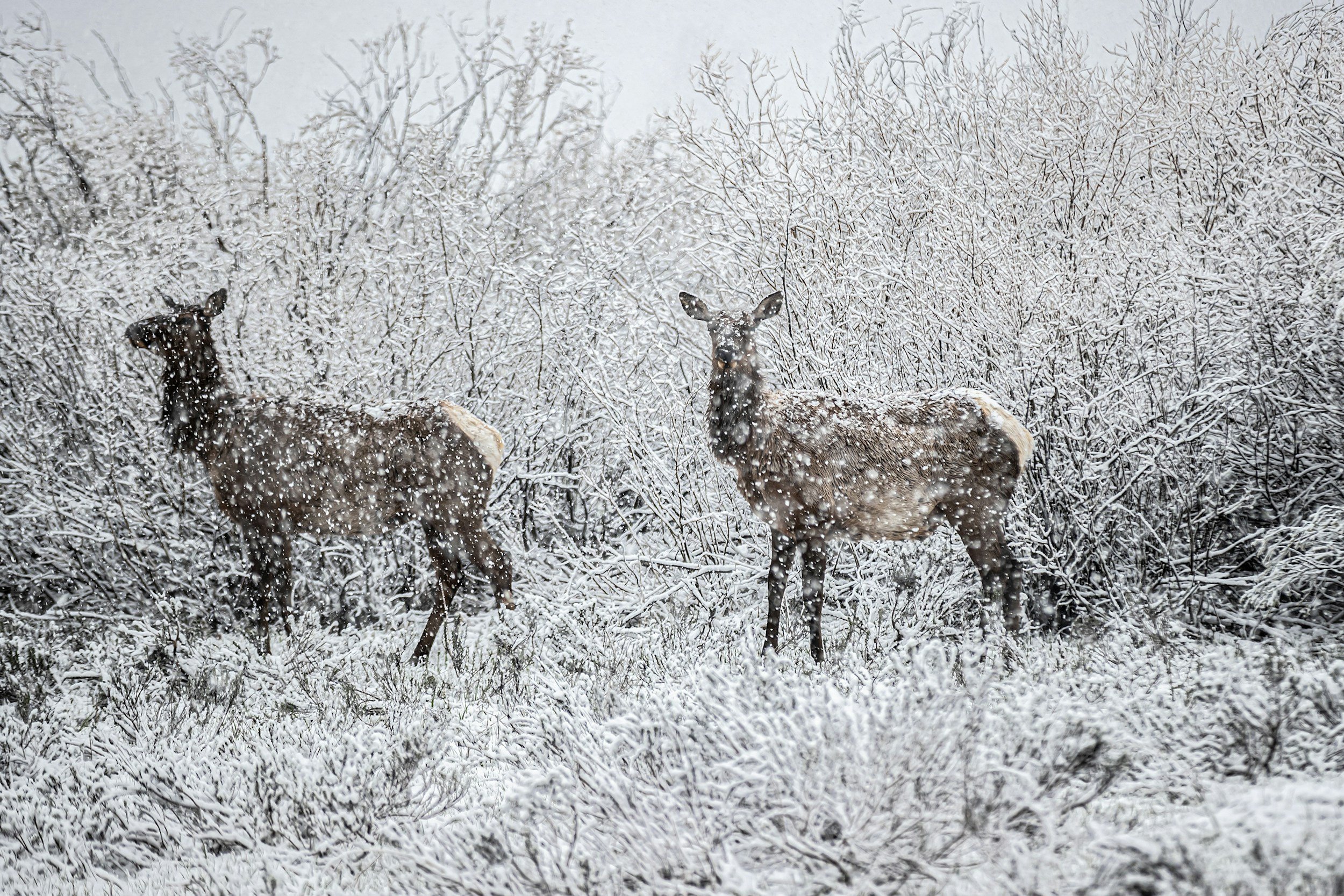
Editor’s choice for our January/February issue:
Stranden et al. (2025), Differential effects of environmental predictability on ungulate movement behavior in disparate ecosystems
Many environments are becoming less predictable. As climate change and human land-use alter the availability of food, water, and shelter in time and space, species must adjust their movement and habitat use. In their paper, Madeline Stranden and coauthors address how environmental predictability, that is, the reliability of resource availability across space and time, affects movement behaviour of large mammals (in this case, mule deer) across contrasting ecosystems. Understanding animal movement in response to environmental cues is a central challenge in ecology, especially under rapid climate change and habitat alteration. This makes the topic highly relevant to researchers, wildlife managers and conservationists.
Stranden et al. quantified environmental predictability using metrics of spatial and temporal constancy, and related those directly to patterns of daily movement behaviour within seasonal home ranges. Rather than simply correlating movement with static habitat features, they integrated multiple aspects of environment predictability.

The authors found that both spatial and temporal environmental predictability strongly influence daily movement distances of mule deer, but their effects depend on forage availability, home-range size, and season. Deer moved more in resource-limited environments when spatial predictability was high, but moved less when resources were abundant; temporal predictability reduced movement only in non-limiting environments.
Together, these interactions show that environmental predictability becomes a stronger driver of movement as habitat quality declines, highlighting its importance for predicting wildlife responses to global change.
Ilse Storch, Editor-in-Chief
Wildlife Biology—who are we?

WILDLIFE BIOLOGY: Journal for Wildlife Research, Management, and Conservation is an Open Access journal owned by the Nordic Society Oikos.
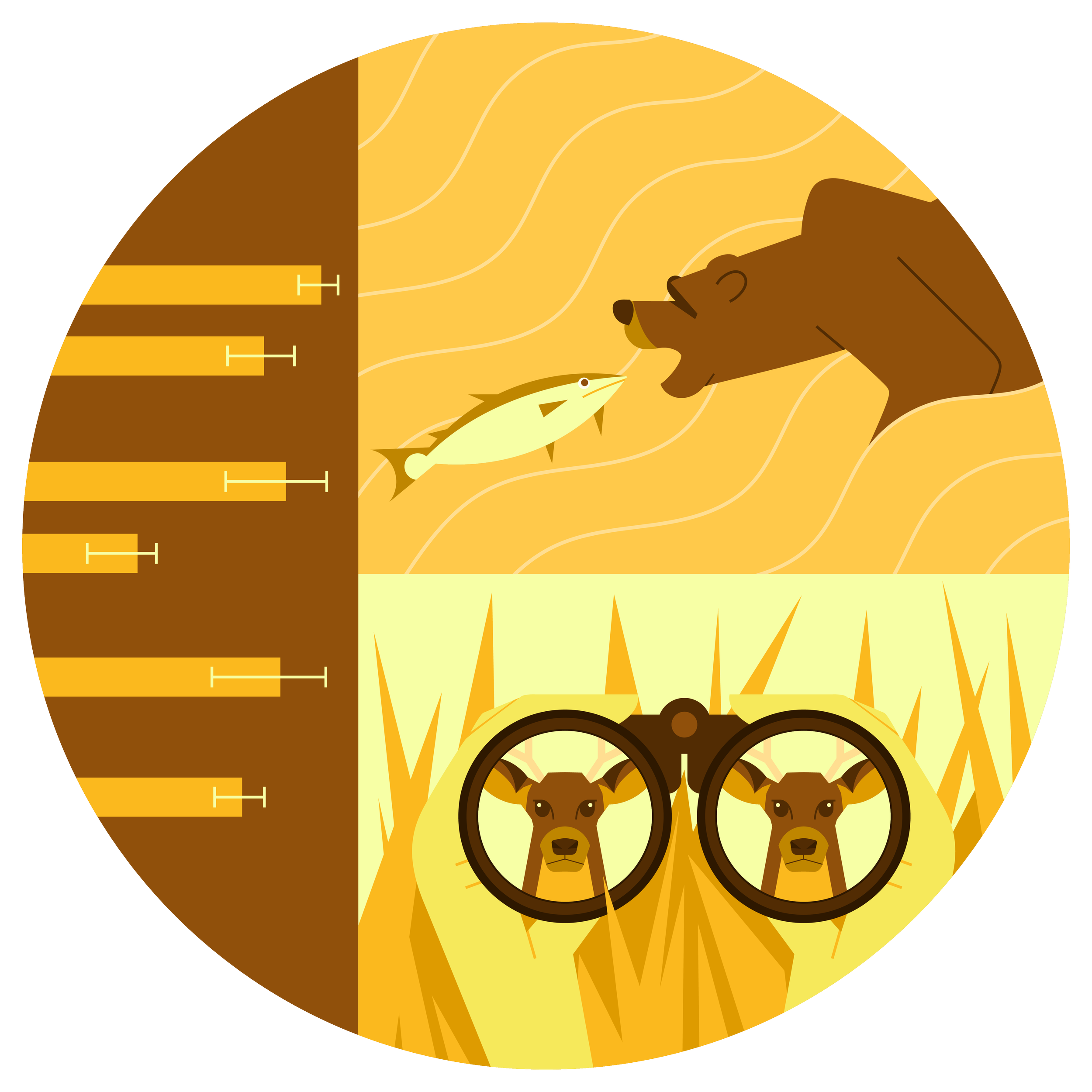
Our journal promotes a scientific basis for the conservation and management of wildlife and human-wildlife relationships. We adopt a broad concept of wildlife management to safeguard sustainable relationships between wildlife and other human interests. This includes all policies and actions with the purpose of conservation, sustainable use, or control of wildlife and its habitats. We welcome theoretical, empirical, and practical articles from all areas of wildlife science.
Thinking about publishing with us?
Wildlife Biology publishes research, review, and management Articles as well as short Communications.
We value ethical standards in science (EDI, Open Access, waivers, accessible data and code, CRediT)
Check out Wildlife Biology’s journal metrics and see our Author Guidelines
Our journals, our society—join us!
The Nordic Society Oikos engages the global scientific community through five international journals…

…and supports the national ecological societies of the five Nordic countries. Anyone worldwide can join the Nordic Society Oikos.
NSO is a home for ecologists, a nexus for knowledge, and a guiding light for ecology worldwide. We are an active network of ecologists in the Nordic region and around the globe.
Why join NSO? Membership benefits include:
Connections across a global community of ecologists and five national societies
NSO newsletters with member-only updates about Nordic ecology and society activities
Ongoing opportunities for promotion on NSO’s digital platforms and social media channels
Discounted registration for NSO’s biennial conference
Eligibility to apply for NSO Grants
Each member receives additional benefits from one of our five national societies:
Danish Oikos Society
Oikos Finland
Icelandic Ecological Society
Norwegian Ecological Society
Swedish Oikos Society
When you join NSO, you also become a member of one of our national societies. Which one? That’s up to you! Each national society provides its own benefits, including discounts to national conferences. Learn more about us at nordicsocietyoikos.org.