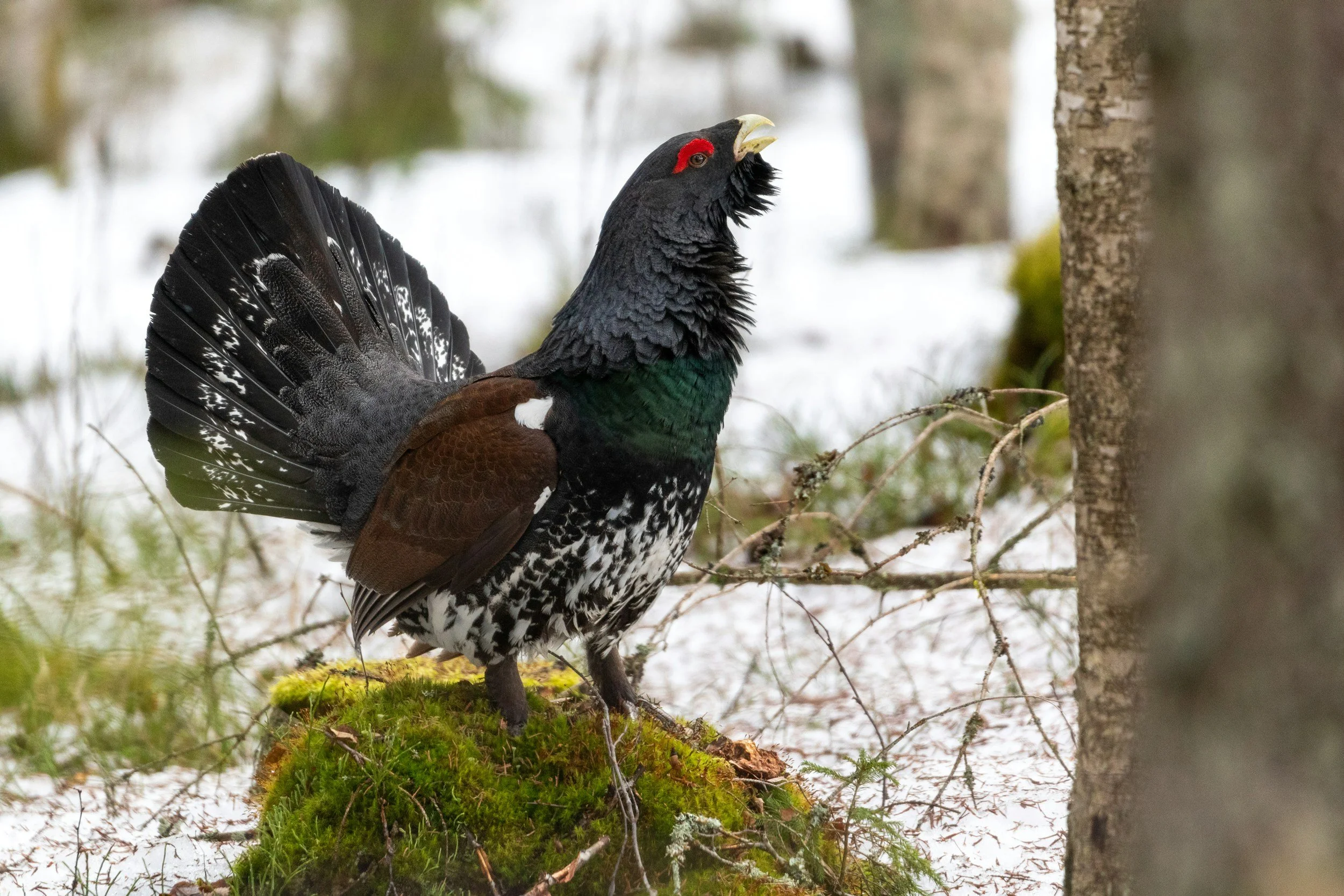
Wildlife Biology Journal invites papers for a special issue for the Grouse Symposium in Hamar, Norway (31 Aug– 4 Sep 2026). You do not have to participate in the symposium to be able to submit a paper.
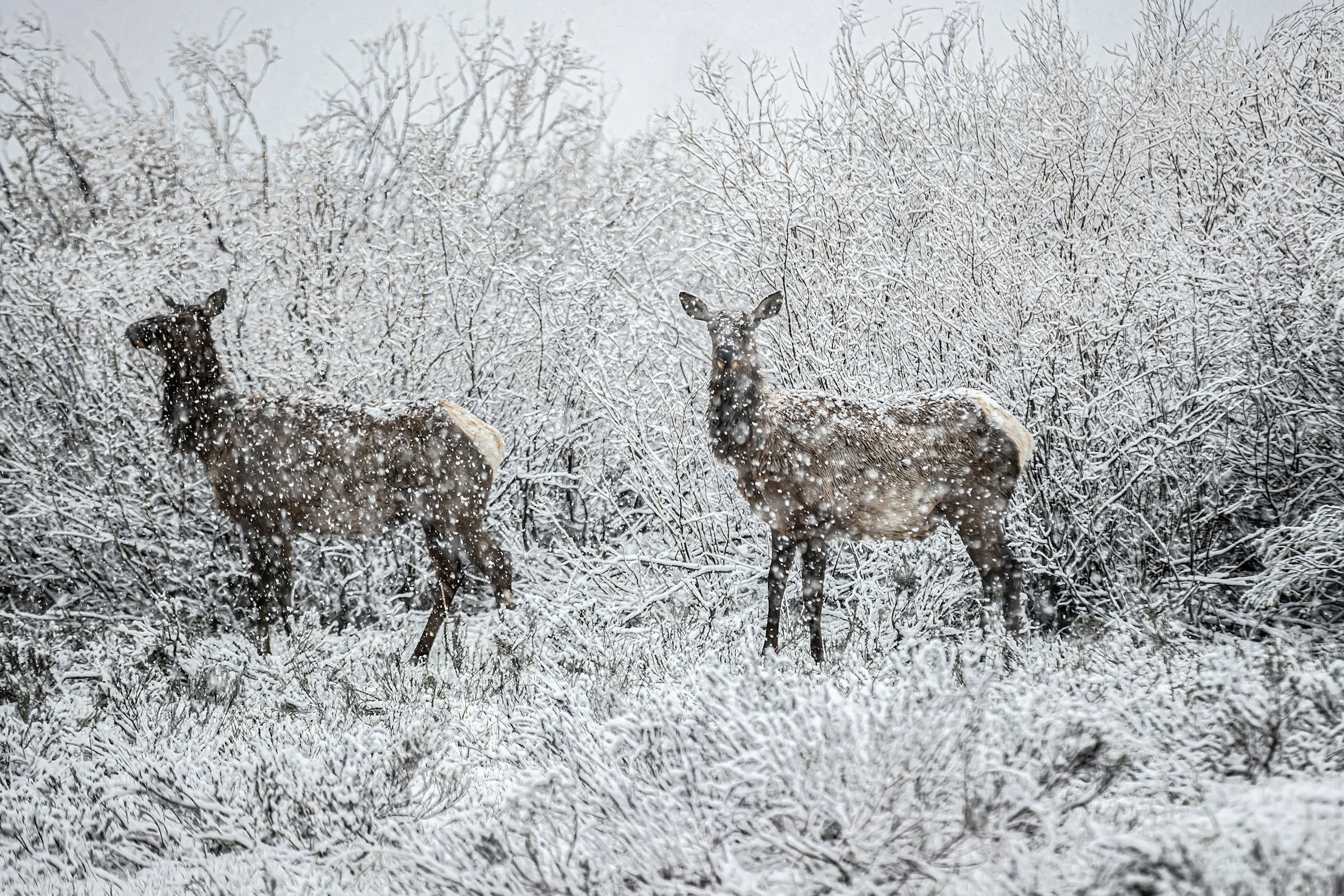
The editor’s choice for our January/February issue is the article by Stranden et al. (2025): “Differential effects of environmental predictability on ungulate movement behavior in disparate ecosystems.”
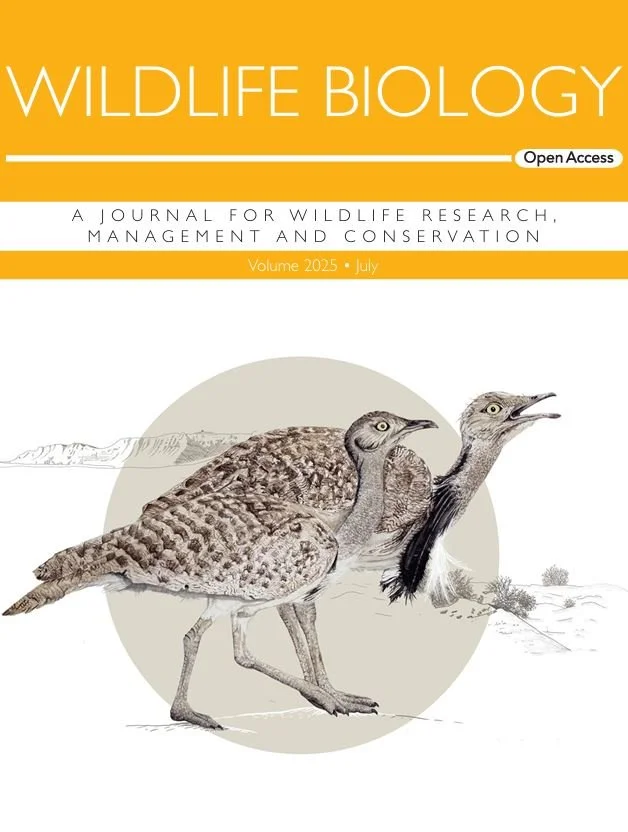
Habitat fragmentation and drought represent a growing threat to many bird species, particularly within grassy biomes, which are especially sensitive to global change.
Sabrina Dressel is an Assistant Professor at Wageningen University & Research (Netherlands) in the Forest and Nature Conservation Policy group, with a background in forestry, wildlife management, and social science.
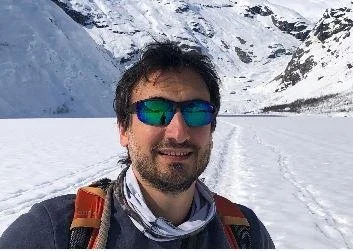
Living at high elevations means having to cope with extreme and unpredictable conditions. It also means that evolution has shaped for you a special relationship with snow.
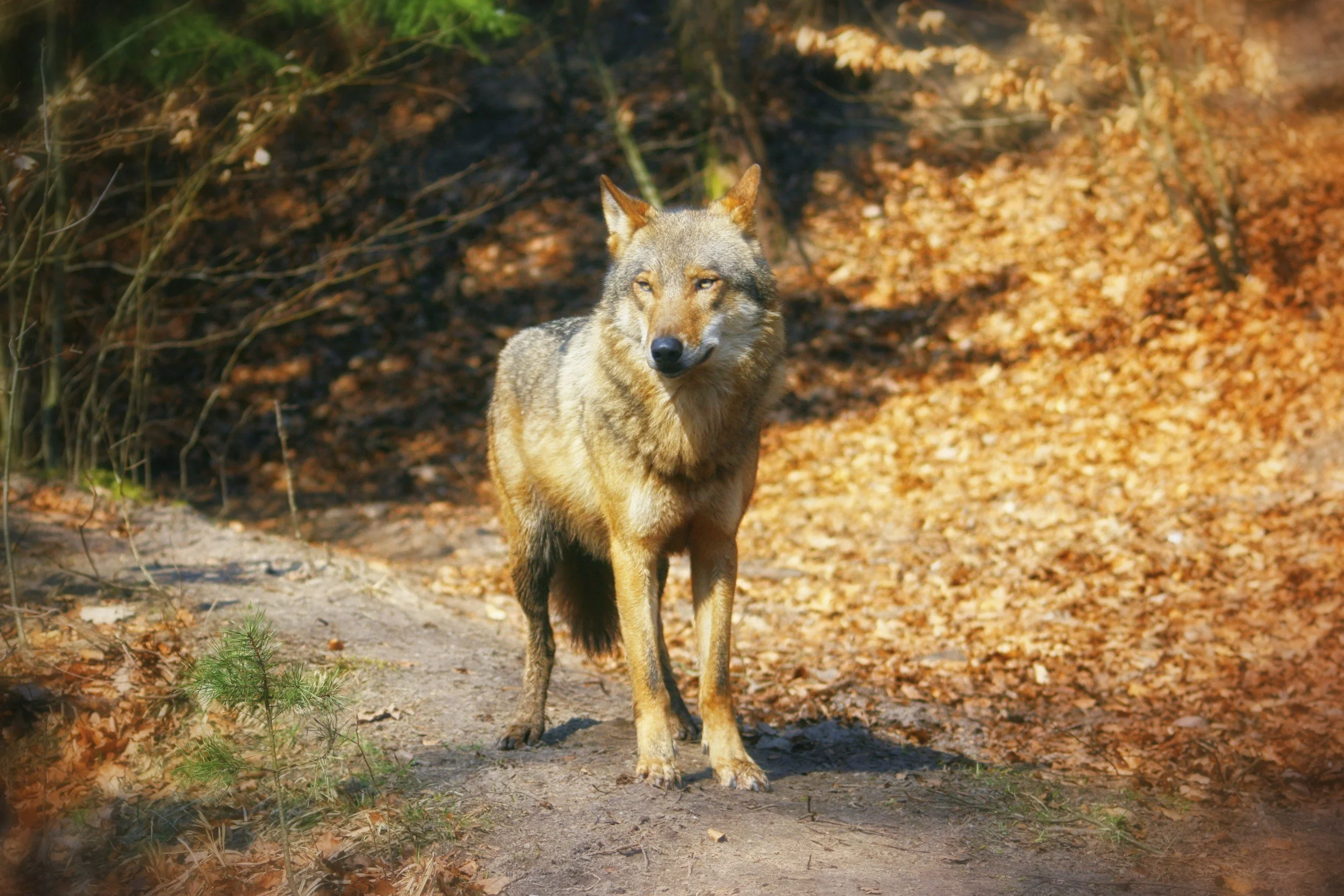
The journal hereby invites papers for a special issue, as an outcome of the International Wolf Symposium 2026 in Minneapolis, MN, USA. You do not have to attend the conference in order to submit a paper.
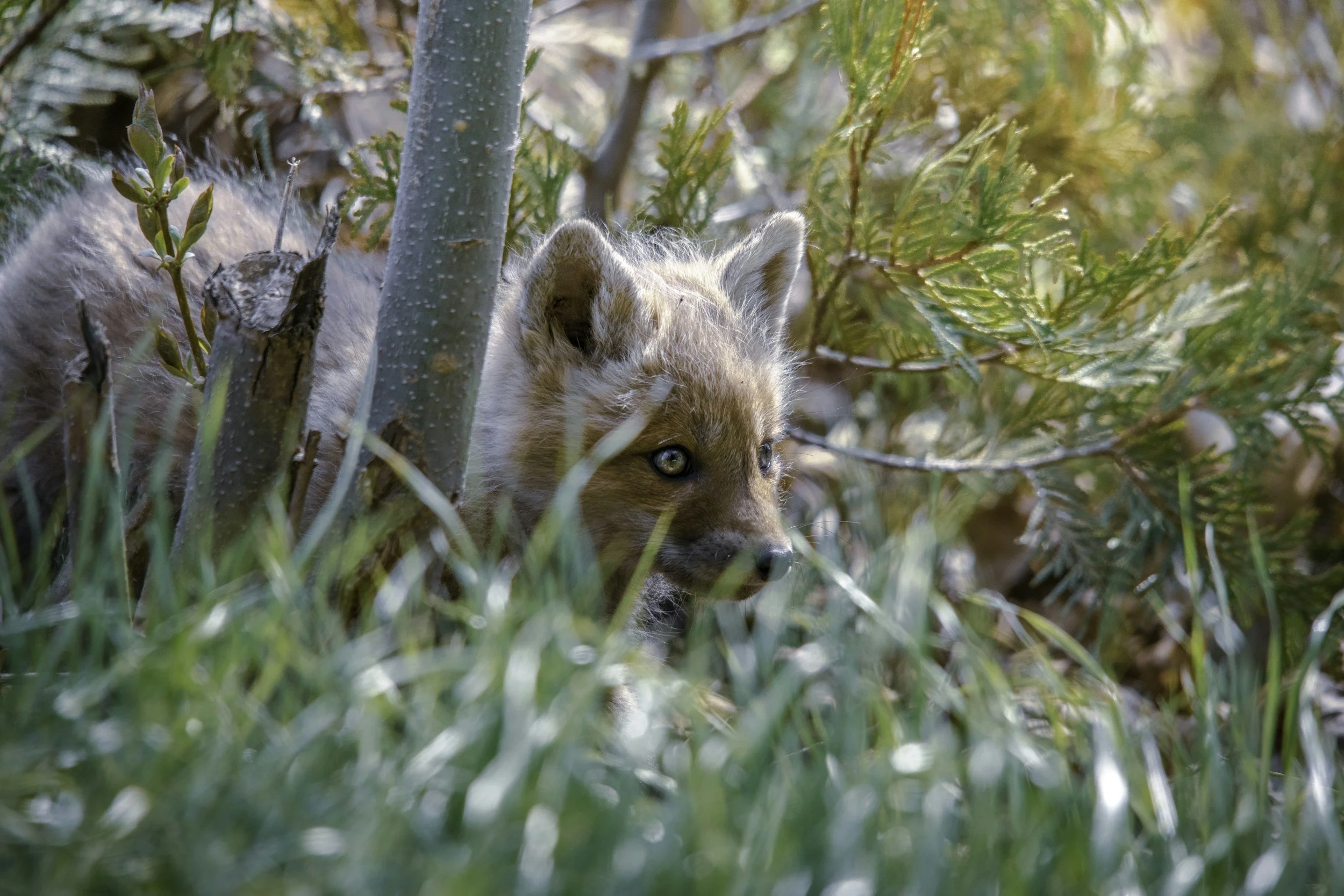
The editor’s choice for November/December 2025 is the article by Smith et al.: “Heading west: Ecology of swift foxes in a novel landscape beyond their range.”
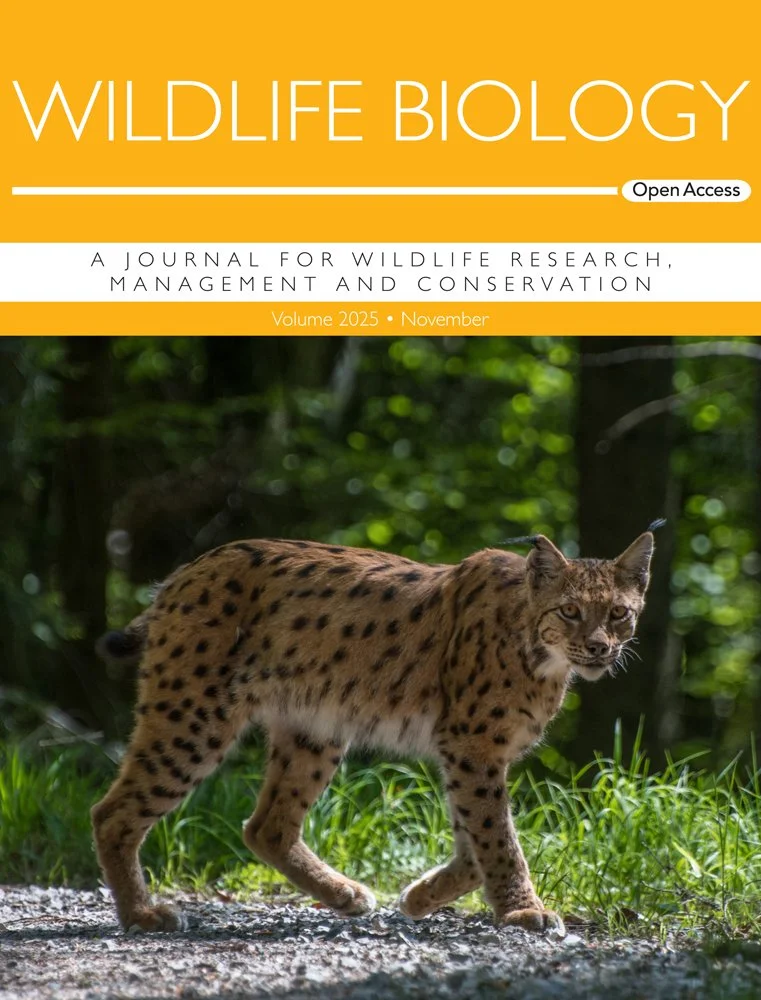
Male Eurasian lynx (Lynx lynx) in a Dinaric forest (Kočevsko, Slovenia). Photo: Lan Hočevar. Read the full open access paper.
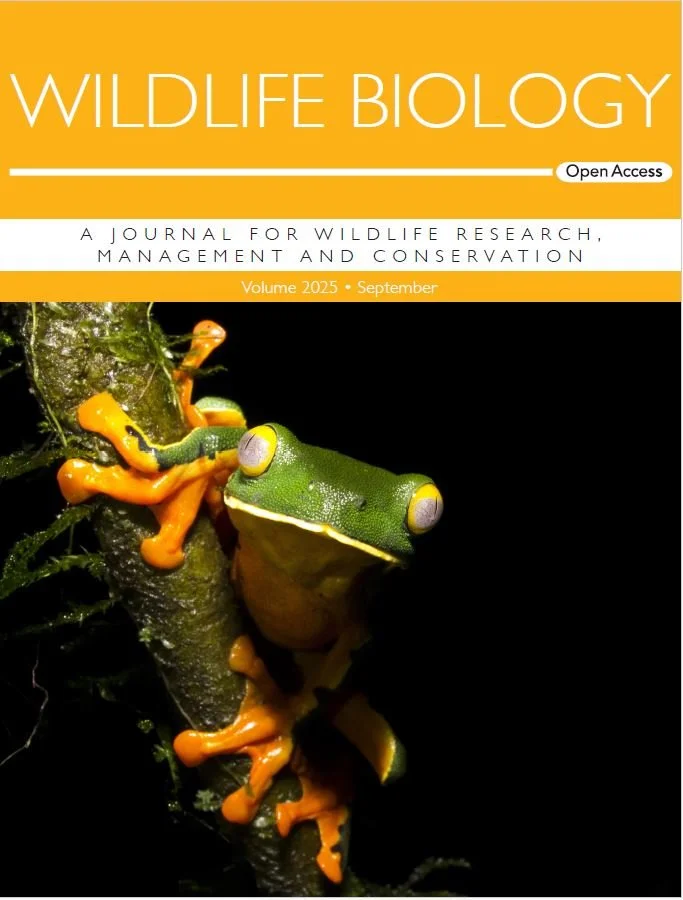
Delia Basanta captured this splendid tree frog (Cruziohyla calcarifer) from Panama, featured on our January-February cover.
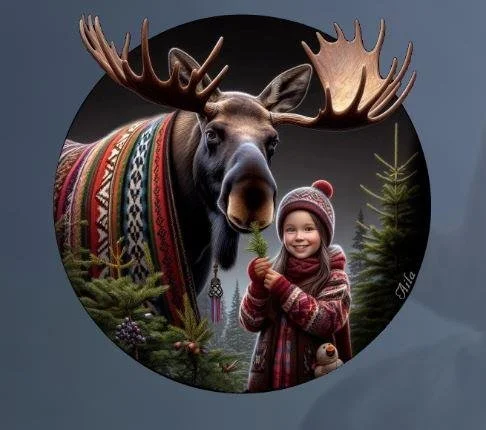
ACTIVE UNTIL 30 DECEMBER 2025: Wildlife Biology is proud to be the official outlet of the International Moose Symposium 2025! We hereby invite papers for a Special Issue.
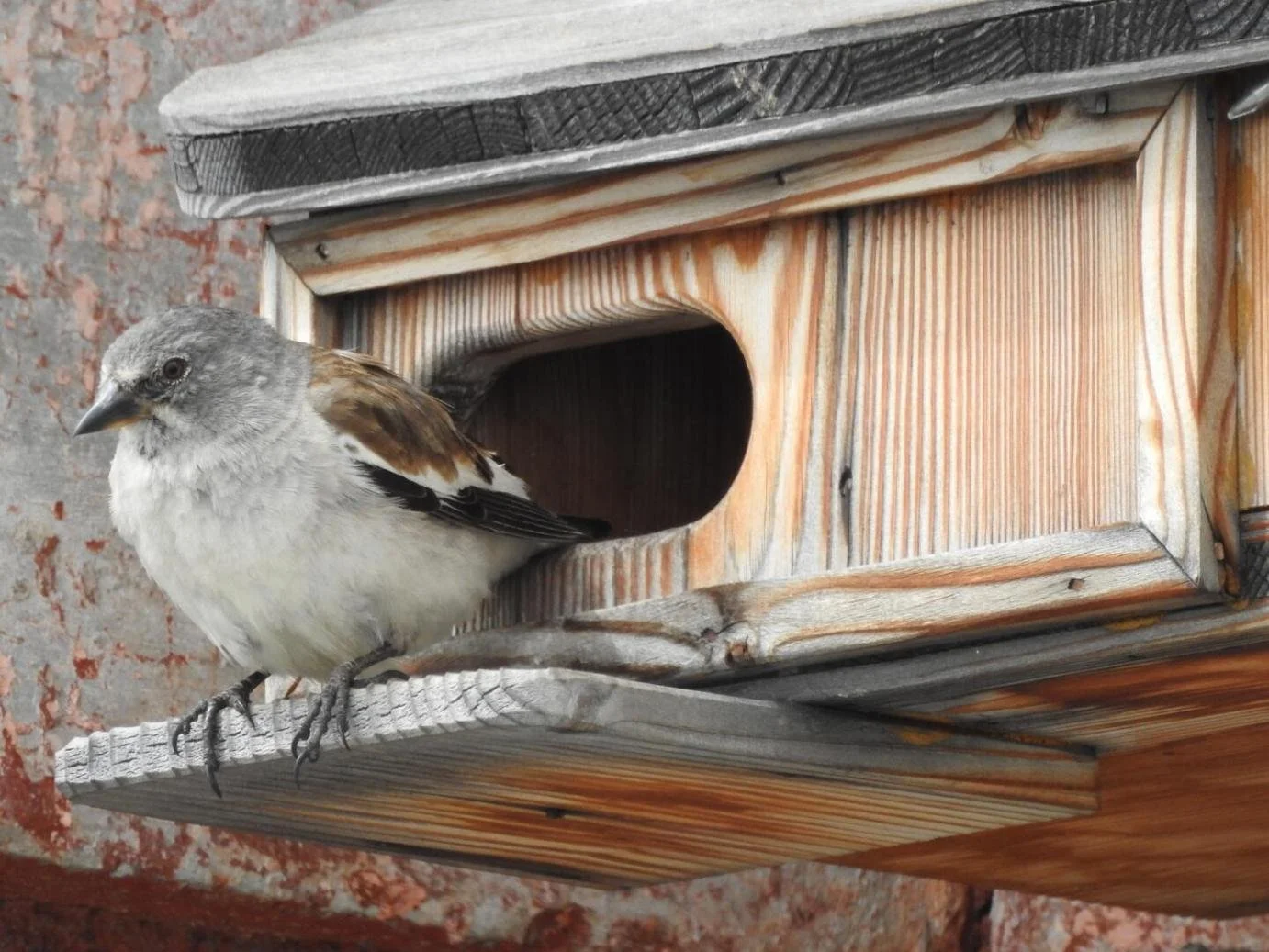
The editor’s choice for July/August 2025 is the article by Eriksen et al.: “Climatic variation affects seasonal survival of an alpine bird species”
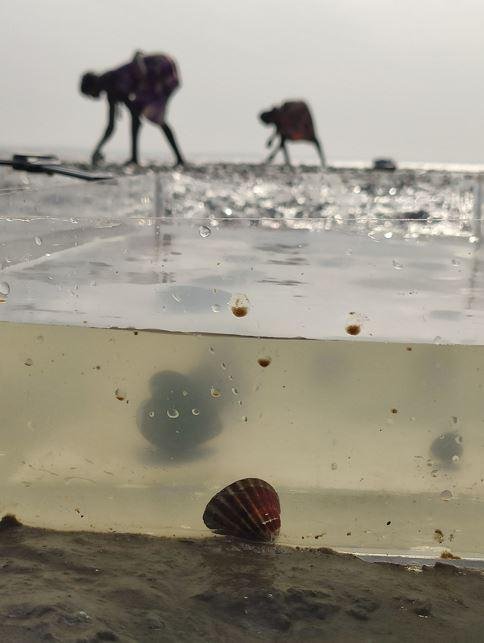
This study explored shellfishing patterns across different management regimes, assessed seasonal variation in the direct impact of shellfishing on shorebirds, and quantified the indirect impact of sediment disturbance due to shellfishing upon shorebird prey availability.
Dr. Ramiro Crego is an ecologist from Argentina whose research interests are primarily in the fields of applied animal ecology and conservation biology.
The editor’s choice for our March/April issue is “Reaching and implementing the best available knowledge in wildlife biology“ by Willebrand and Newey.
Wildlife Biology is a journal of the Nordic Society Oikos, supported by the Nordic Board for Wildlife Research (NKV) and published in cooperation with Wiley. The journal is available at Wiley Online Library.