
Cover | How does grassland fragmentation affect secretarybirds?
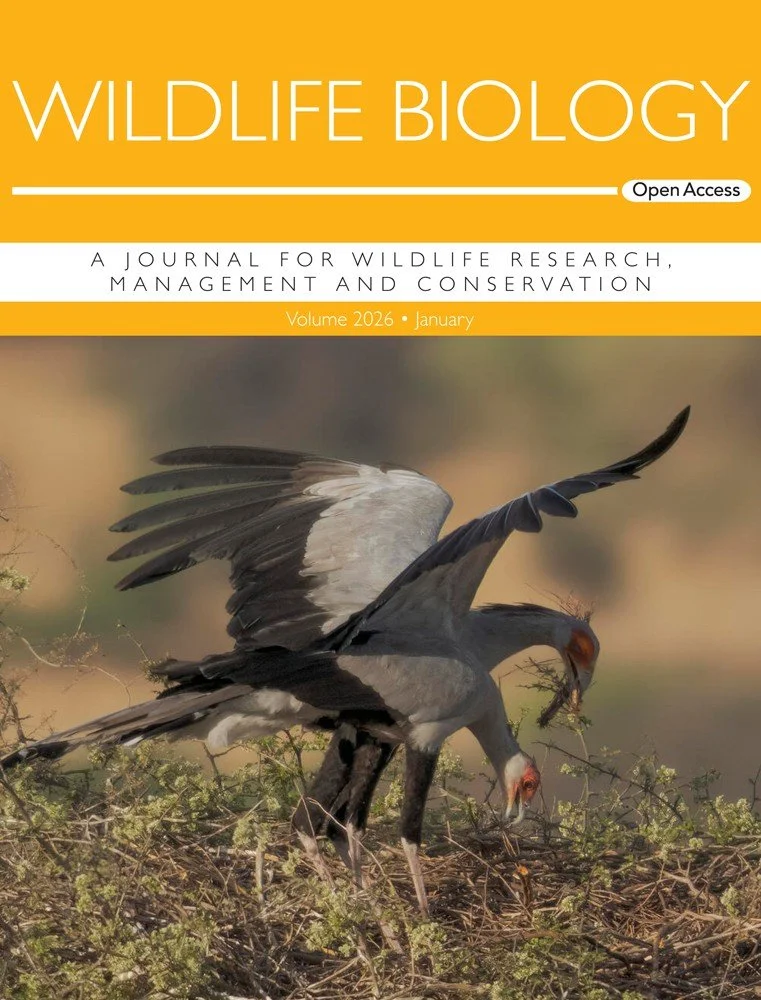
January Cover
Download the high-resolution image
Read the full open access paper by Romani et al. (2025): Effects of grassland fragmentation and precipitation on secretarybird Sagittarius serpentarius reproduction in the Serengeti ecosystem.
Habitat fragmentation and drought represent a growing threat to many bird species, particularly within grassy biomes, which are especially sensitive to global change.
In this study, the authors show how the loss of grassland area and continuity caused by woody plant encroachment, together with fluctuations in seasonal rainfall patterns, can trigger a cascade of negative effects on the reproduction of the secretarybird. This large, terrestrial raptor of the grasslands and savannas of sub-Saharan Africa is strongly dependent on seasonal precipitation cycles.
Because the secretarybird is both an avian top predator and a species tightly linked to structurally open ecosystems, it may serve as a valuable bioindicator of ecosystem health and of the impacts of climate change on these environments.
The results reveal that the most productive areas were characterised by low to moderate levels of fragmentation, whereas highly fragmented landscapes showed the lowest productivity values, possibly due to greater influence of edge effects . Areas with minimal fragmentation exhibited the highest nesting success but lower nest density, resulting in intermediate average productivity. Rainfall mainly influenced nest abundance, which in turn had a positive effect on productivity, regardless of fragmentation level. These findings highlight not only the importance of maintaining extensive and continuous grassland patches, but also the ecological value of ecotonal environments for this species — provided that grasslands remain sufficiently large and connected.
The study further emphasises the urgency of understanding how climate change and habitat fragmentation interact to shape population and predator–prey dynamics. The authors also note the need for multi-year monitoring to fully capture the effects of climate change on this threatened raptor species.
Wildlife Biology—who are we?
WILDLIFE BIOLOGY: Journal for Wildlife Research, Management, and Conservation is an Open Access journal owned by the Nordic Society Oikos.
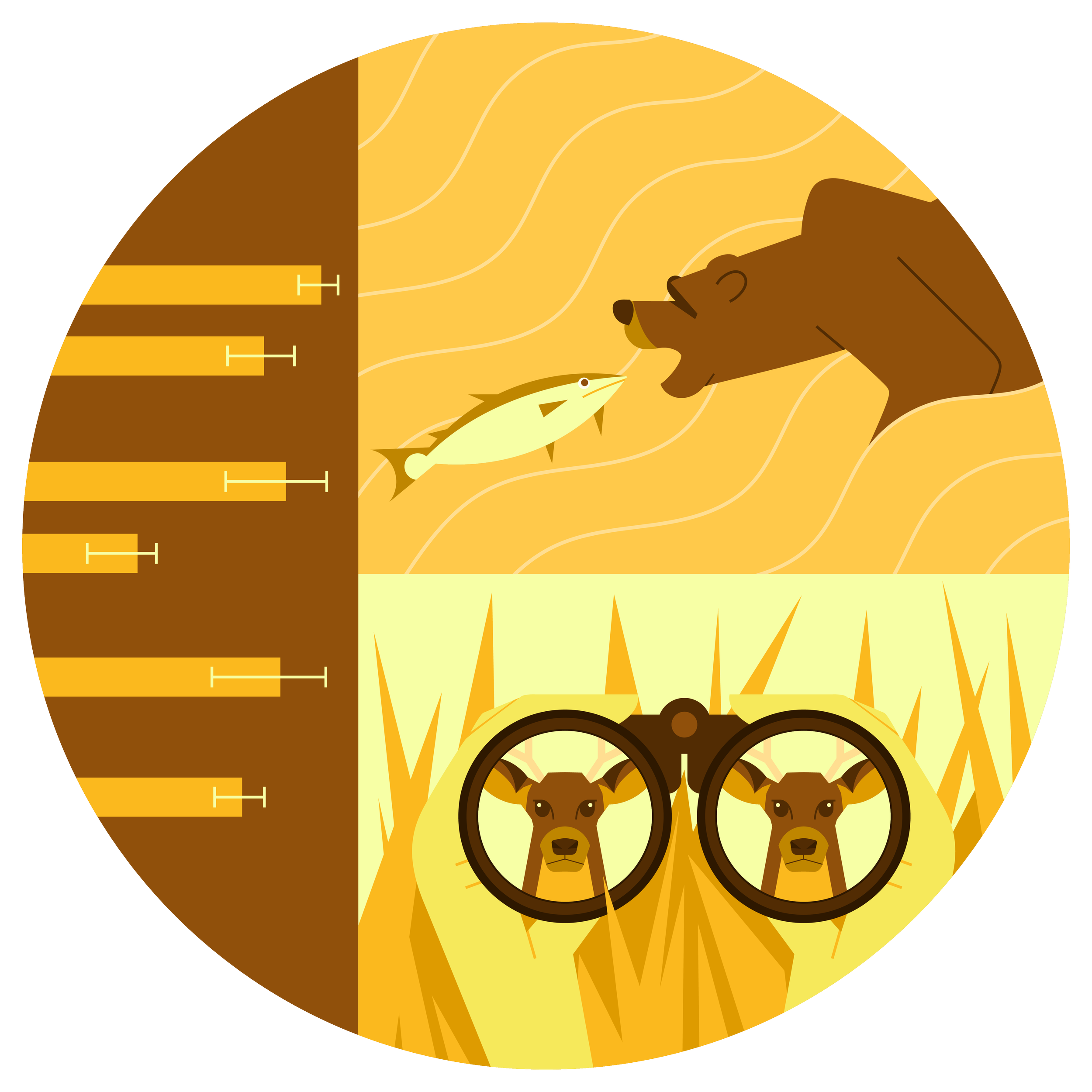
Our journal promotes a scientific basis for the conservation and management of wildlife and human-wildlife relationships. We adopt a broad concept of wildlife management to safeguard sustainable relationships between wildlife and other human interests. This includes all policies and actions with the purpose of conservation, sustainable use, or control of wildlife and its habitats. We welcome theoretical, empirical, and practical articles from all areas of wildlife science.
Thinking about publishing with us?
Wildlife Biology publishes research, review, and management Articles as well as short Communications.
We value ethical standards in science (EDI, Open Access, waivers, accessible data and code, CRediT)
Check out Wildlife Biology’s journal metrics and see our Author Guidelines
Our journals, our society—join us!
The Nordic Society Oikos engages the global scientific community through five international journals…
…and supports the national ecological societies of the five Nordic countries. Anyone worldwide can join the Nordic Society Oikos.
NSO is a home for ecologists, a nexus for knowledge, and a guiding light for ecology worldwide. We are an active network of ecologists in the Nordic region and around the globe.
Why join NSO? Membership benefits include:
Connections across a global community of ecologists and five national societies
NSO newsletters with member-only updates about Nordic ecology and society activities
Ongoing opportunities for promotion on NSO’s digital platforms and social media channels
Discounted registration for NSO’s biennial conference
Eligibility to apply for NSO Grants
Each member receives additional benefits from one of our five national societies:
Danish Oikos Society
Oikos Finland
Icelandic Ecological Society
Norwegian Ecological Society
Swedish Oikos Society
When you join NSO, you also become a member of one of our national societies. Which one? That’s up to you! Each national society provides its own benefits, including discounts to national conferences. Learn more about us at nordicsocietyoikos.org.