
Cover | Batrachochytrium dendrobatidis and amphibian diversity
September Cover
Photograph by Delia Basanta
Our latest cover features a splendid tree frog (Cruziohyla calcarifer) from Panama. This is a nocturnal species that occurs in Costa Rica, Panama, Ecuador and Colombia.
Read the open access paper by Basanta et al. (2023): Epidemiological landscape of Batrachochytrium dendrobatidis and its impact on amphibian diversity at global scale.
Abstract:
Chytridiomycosis, caused by the fungal pathogen Batrachochytrium dendrobatidis (Bd), is a major driver of amphibian decline worldwide. The global presence of Bd is driven by a synergy of factors, such as climate, species life history, and amphibian host susceptibility. Here, using a Bayesian data-mining approach, we modeled the epidemiological landscape of Bd to evaluate how infection varies across several spatial, ecological, and phylogenetic scales.
We compiled global information on Bd occurrence, climate, species ranges, and phylogenetic diversity to infer the potential distribution and prevalence of Bd. By calculating the degree of co-distribution between Bd and our set of environmental and biological variables (e.g. climate and species), we identified the factors that could potentially be related to Bd presence and prevalence using a geographic correlation metric, epsilon (ε). We fitted five ecological models based on 1) amphibian species identity, 2) phylogenetic species variability values for a given species assemblage, 3) temperature, 4) precipitation and 5) all variables together.
Our results extend the findings of previous studies by identifying the epidemiological landscape features of Bd. This ecological modeling framework allowed us to generate explicit spatial predictions for Bd prevalence at global scale and a ranked list of species with high/low probability of Bd presence. Our geographic model identified areas with high potential for Bd prevalence (potential Bd-risk areas) and areas with low potential Bd prevalence as potential refuges (free Bd).
At the amphibian assemblage level, we found non-relationship with amphibian phylogenetic signals, but a significantly negative correlation between observed species richness and Bd prevalence indicated a potential dilution effect at the landscape scale. Our model may identify species and areas potentially susceptible and at risk for Bd presence, which could be used to prioritize regions for amphibian conservation efforts and to assess species and assemblage at risks.
Wildlife Biology—who are we?
WILDLIFE BIOLOGY: Journal for Wildlife Research, Management, and Conservation is an Open Access journal owned by the Nordic Society Oikos.
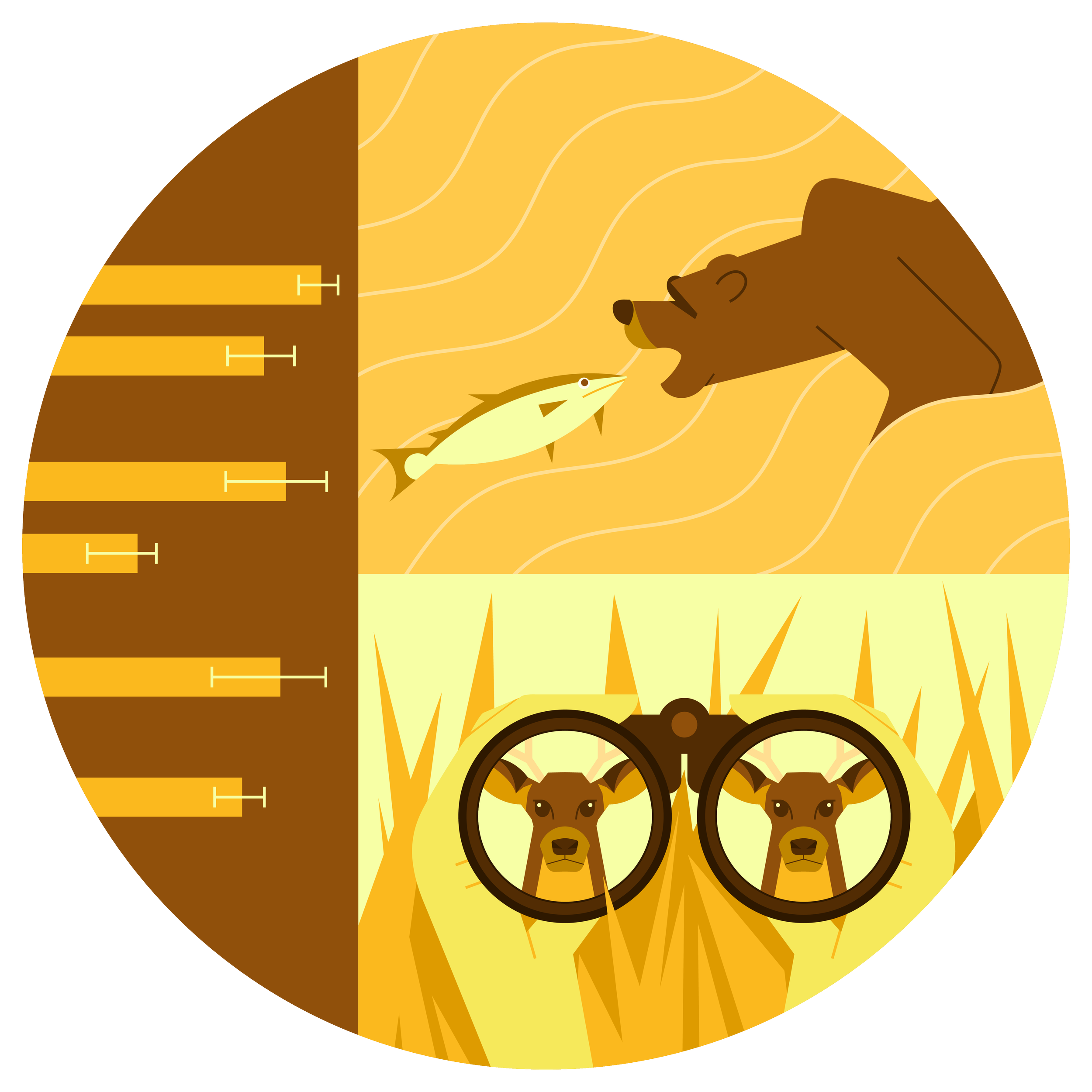
Our journal promotes a scientific basis for the conservation and management of wildlife and human-wildlife relationships. We adopt a broad concept of wildlife management to safeguard sustainable relationships between wildlife and other human interests. This includes all policies and actions with the purpose of conservation, sustainable use, or control of wildlife and its habitats. We welcome theoretical, empirical, and practical articles from all areas of wildlife science.
Thinking about publishing with us?
Wildlife Biology publishes research, review, and management Articles as well as short Communications.
We value ethical standards in science (EDI, Open Access, waivers, accessible data and code, CRediT)
Check out Wildlife Biology’s journal metrics and see our Author Guidelines
Our journals, our society—join us!
The Nordic Society Oikos engages the global scientific community through five international journals…
…and supports the national ecological societies of the five Nordic countries. Anyone worldwide can join the Nordic Society Oikos.
NSO is a home for ecologists, a nexus for knowledge, and a guiding light for ecology worldwide. We are an active network of ecologists in the Nordic region and around the globe.
Why join NSO? Membership benefits include:
Connections across a global community of ecologists and five national societies
NSO newsletters with member-only updates about Nordic ecology and society activities
Ongoing opportunities for promotion on NSO’s digital platforms and social media channels
Discounted registration for NSO’s biennial conference
Eligibility to apply for NSO Grants
Each member receives additional benefits from one of our five national societies:
Danish Oikos Society
Oikos Finland
Icelandic Ecological Society
Norwegian Ecological Society
Swedish Oikos Society
When you join NSO, you also become a member of one of our national societies. Which one? That’s up to you! Each national society provides its own benefits, including discounts to national conferences. Learn more about us at nordicsocietyoikos.org.