

News from Our Journals
Browse News by Journal
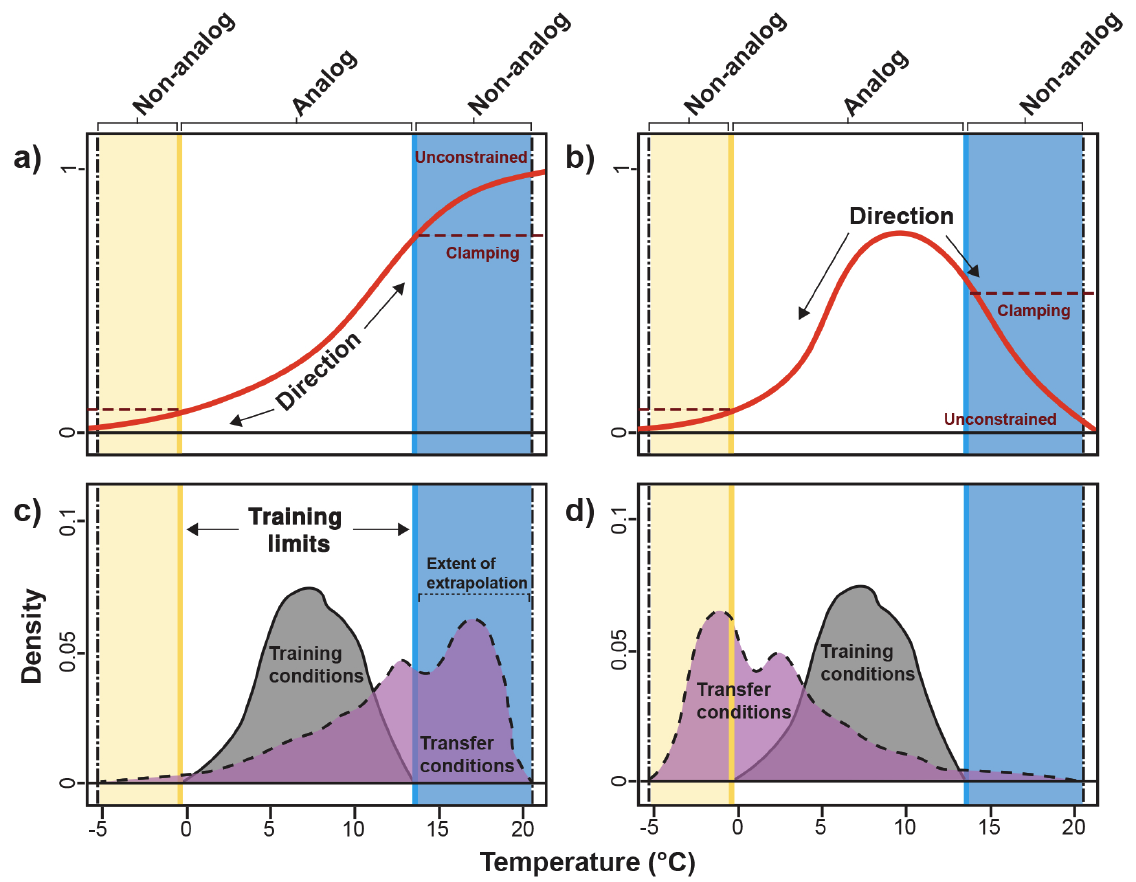
Study | To clamp or not to clamp? That is the extrapolation question
Species distribution models often extrapolate when transferred to novel climates or regions—and how you handle that extrapolation can drastically change your predictions. A new ENMeval workflow helps you visualize model behavior and choose the best strategy for each variable, leading to more realistic forecasts.
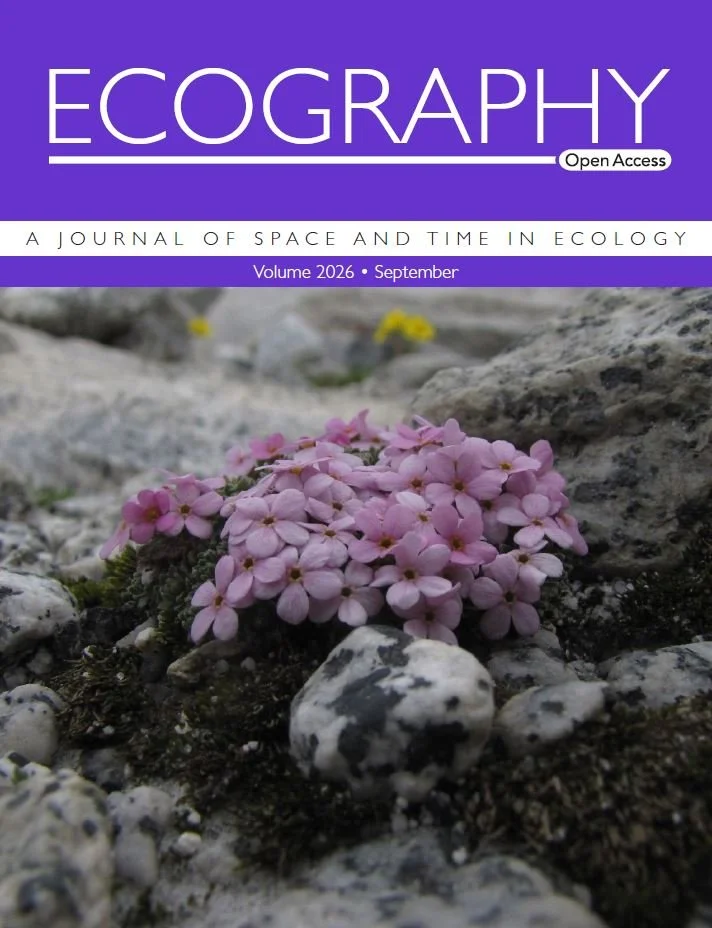
Cover | Ice Patches as Lifelines for Alpine Species
The cover shows Androsace alpina from the Amola Glacier in the Italian Alps. Global warming is threatening the survival of cold-adapted Alpine species like one. Ice-related landforms like debris-covered glaciers may buffer such negative effects on species able to grow on them. Photo credit: Marco Caccianiga.
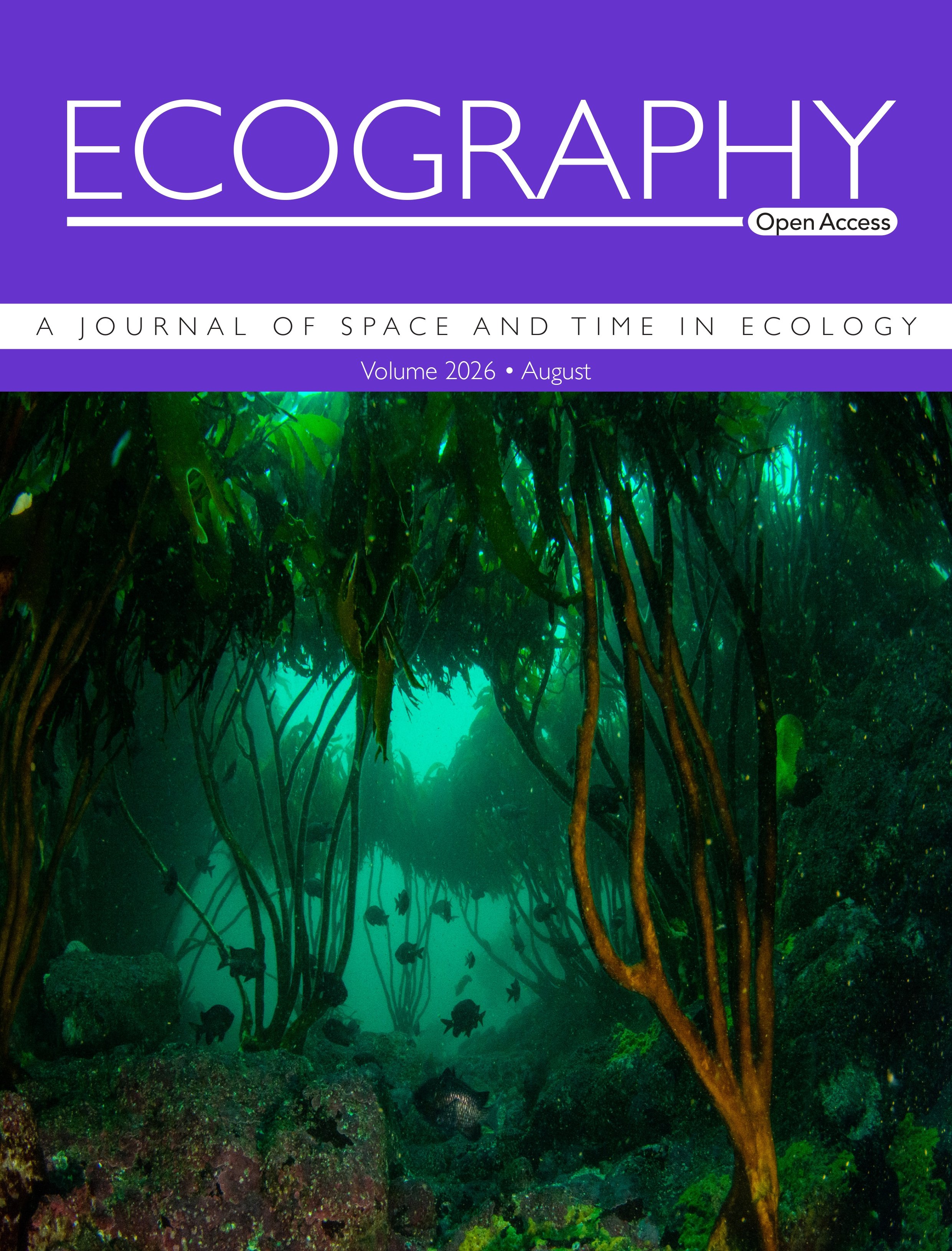
Cover | The Complex Menu of Coastal Chile
The photo features a Subtidal kelp forest of Lessonia trabeculata with fish assemblage, representative of the rocky reefs from the Chilean coast, where the study was conducted.. Photo credit: Alejandro Perez-Matus.

New Editor | Lauren Talluto, subject editor for Ecography
We welcome Lauren Talluto to our Ecography editorial board! She is an ecological modeller and macroecologist, specialised in statistics and ecological modelling and working at spatial scales ranging from (meta-) ecosystem-level to continental and global analyses.
New Editor | Eduardo Fuentes-Lillo, subject editor for Ecography
We welcome Eduardo Fuentes-Lillo to our Ecography editorial board! He is a plant ecologist interested in understanding how biological invasions, environmental gradients, microclimate, and human disturbance shape biodiversity patterns in mountain and high-latitude ecosystems.

New Editor | Evangelina Schwindt, subject editor for Ecography
We welcome Evangelina Schwindt to our Ecography editorial board! She is a marine ecologist studying the patterns, processes, and consequences of marine and estuarine invasions. Based on the coast of Patagonia, Argentina, her work spans coastal ecosystems, including ports and marine protected areas.

New Editor | Oscar Alejandro Pérez-Escobar, subject editor for Ecography
We welcome Oscar Alejandro Pérez-Escobar to our Ecography editorial board! He is an evolutionary biologist and plant systematist at the Royal Botanic Gardens, Kew, who studies how orchids diversify across space and time.
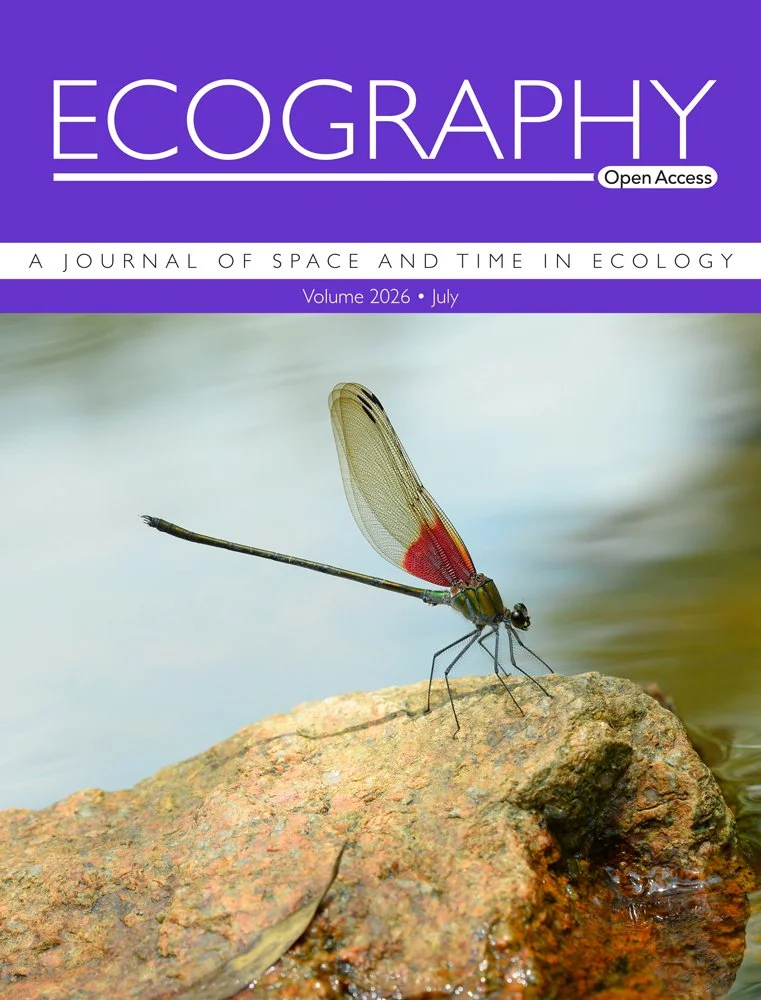
Cover | Climate in the Hills, People in the Plains
The photo features an endemic damselfly (Archineura incarnata) of eastern China, and the largest species within its family in Odonata, perching at the water's edge and waiting for a mate. Photo credit: Haomiao Zhang and Ruibin Song.
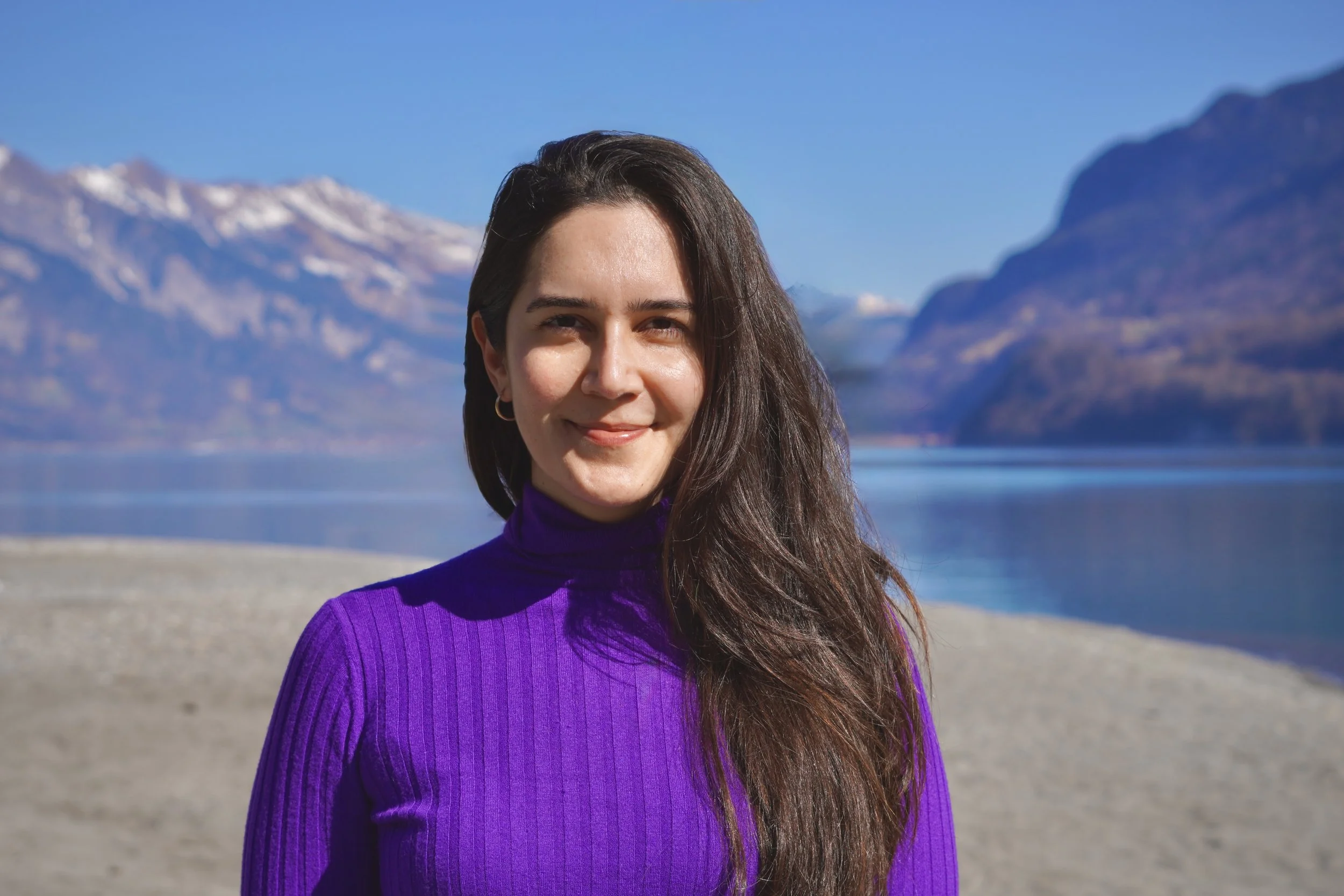
New Editor | Billur Bektaş, subject editor for Ecography
We welcome Billur Bektaş to our Ecography editorial board! She is a plant ecologist interested in understanding the effects of climate change on plants from individuals and populations to entire communities.
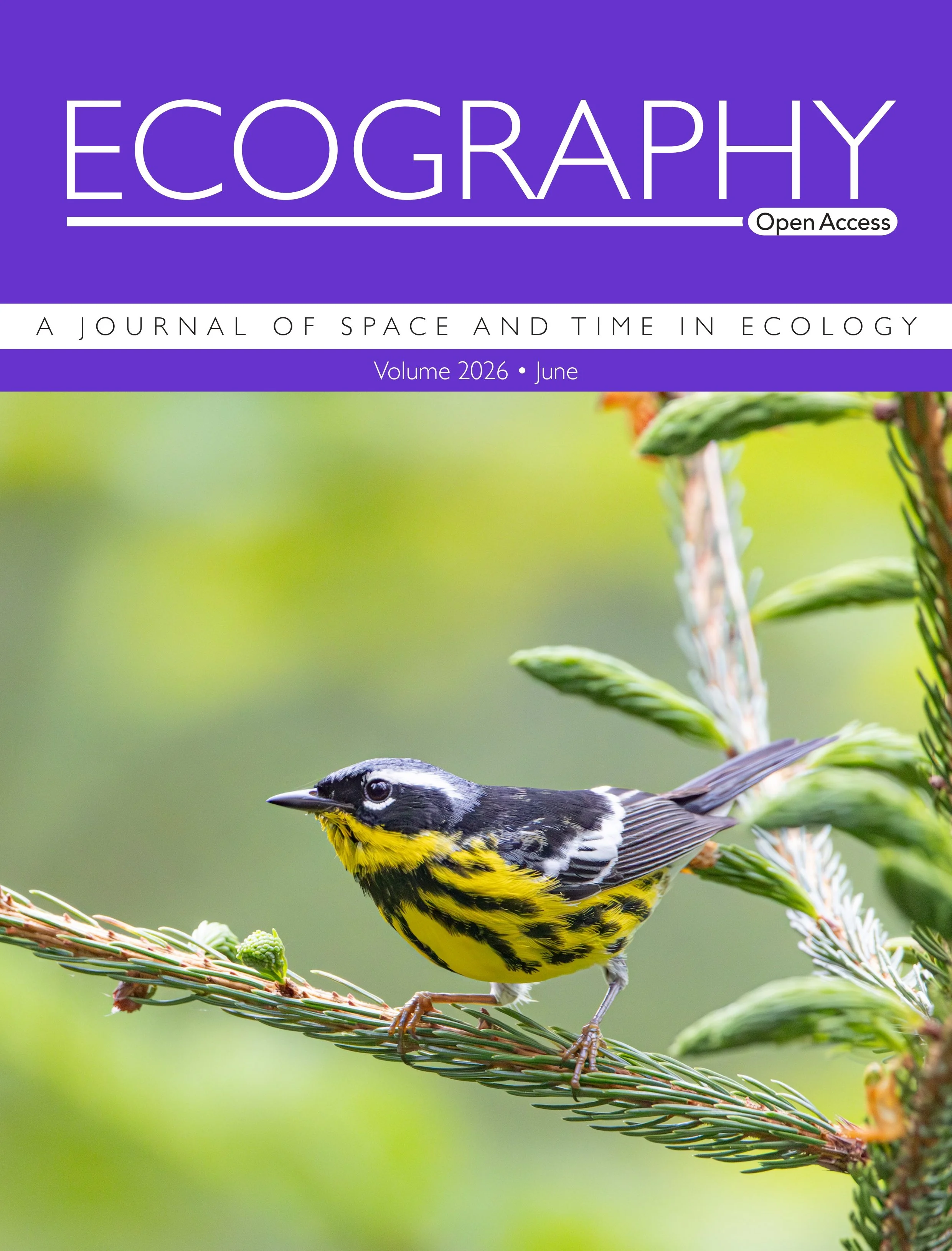
Cover | Shifting Ages, Shifting Skies
The cover photo features a Magnolia Warbler in migration in Maine. The photo complements the manuscript, which explores how age- and species-specific differences in migration speed and phenology drive spatiotemporal shifts in the age structure of migrant communities during fall migration. Photo credit: Dylan Osterhaus.

E4 award papers over the years
The E4 Award is given every year to an early-career research scientist who writes an exceptional Review manuscript. The winner receives a €1000 cash prize and the runner-up receives €500. Our early-career E4 award papers are more downloaded and cited than the average research paper for Ecography.
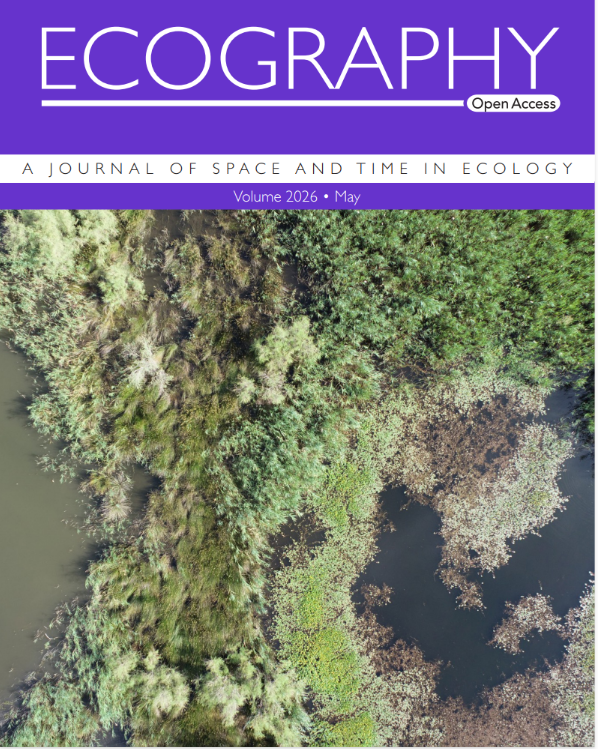
Cover | Modelling LULC effects on biodiversity: a review of practices and risks
This month’s cover photo features a marsh, which is one of the last visible signs of a palaeochannel of the Rhone river, now dedicated to host the Eurasian bittern (Botaurus stellaris) among other conservation targets. Photo by Arnaud-Willm-Tour du Valat.
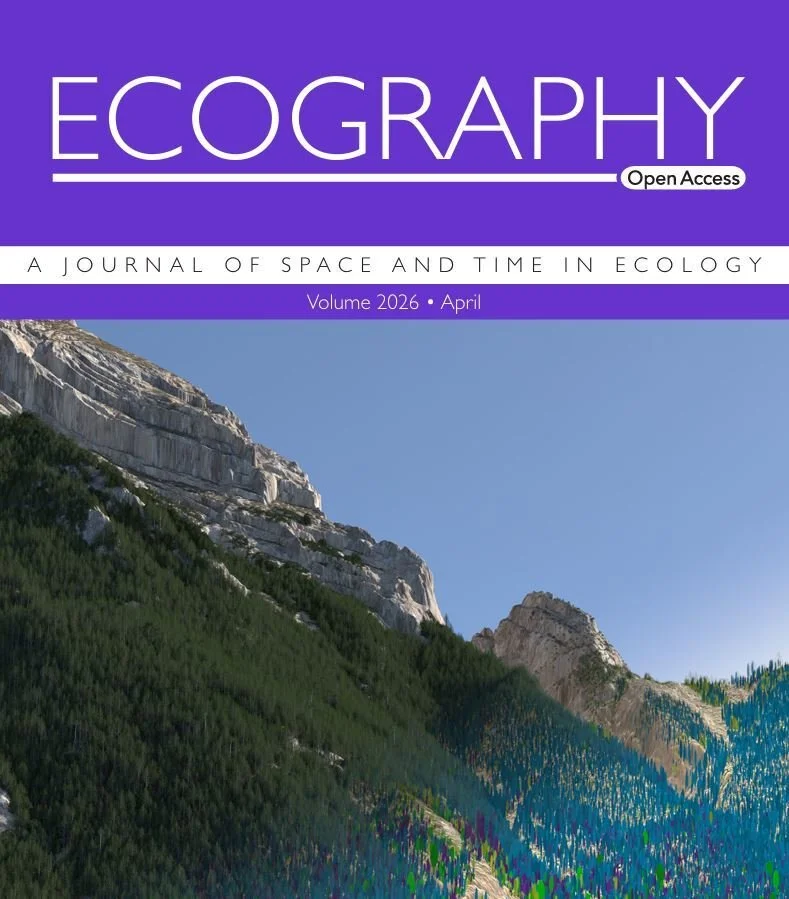
Cover | EcoViz: a visualization tool for forest landscape model simulations
This month’s cover photo features the a scene in the Berchtesgaden National Park in Germany and depicts the hypothetical forest state in the year 2150, blending "symbolic rendering" with a photo-realistic rendering.
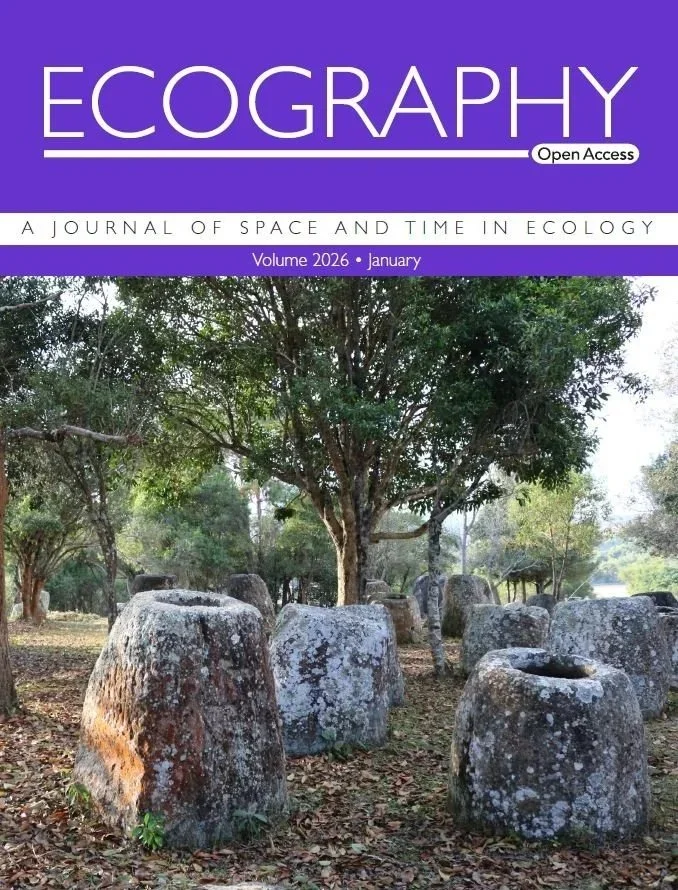
New senior board for Ecography
We are excited to share a couple of updates to the journal’s editorial structure and board. These are meant to further strengthen what Ecography already does best while ensuring both continuity and renewal.
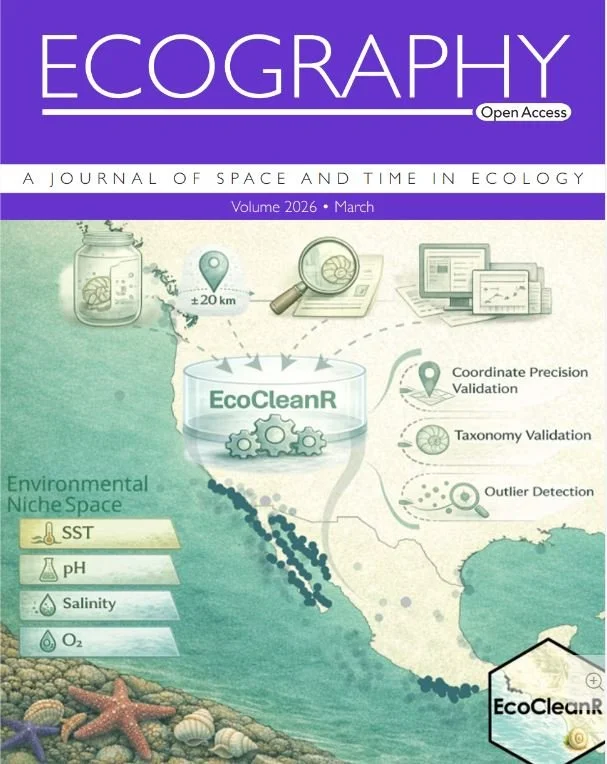
Cover | EcoCleanR: enhancing biogeographic data quality
This month’s cover illustration by Priyanka Soni features the EcoCleanR workflow, showing transformation of raw biodiversity data into refined geographic and environmental representations of species distributions.

New Editor | Arnost Sizling, subject editor for Ecography
Arnost Sizling is a macroecologist who explores the drivers of species spatial patterns, with interests including how biodiversity patterns shift across the Holocene and along continental-scale gradients.
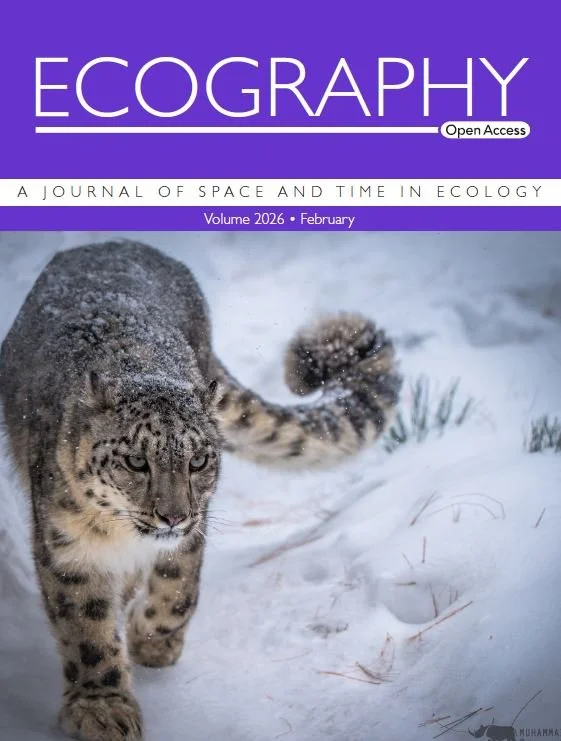
Cover | First robust population assessment of snow leopards in Pakistan
This month’s cover photo by Muhammad Osama depicts Lovely, an orphan snow leopard cub rescued in 2013, who thrives under rehabilitation in Naltar Valley of northern Pakistan.

New Editor | Jamie Kass, editor for Software Notes
Jamie Kass runs the Macroecology Lab at Tohoku University in Japan, investigating how biodiversity—from plankton to insects to vertebrates—is distributed across space and time.

New Editor | Dan Liang, subject editor for Ecography
Animal ecologist and conservation scientist Dan Liang studies diversity patterns in rapidly changing ecosystems, often involving long-distance migrants crossing national boundaries and elevational migrations in mountains.
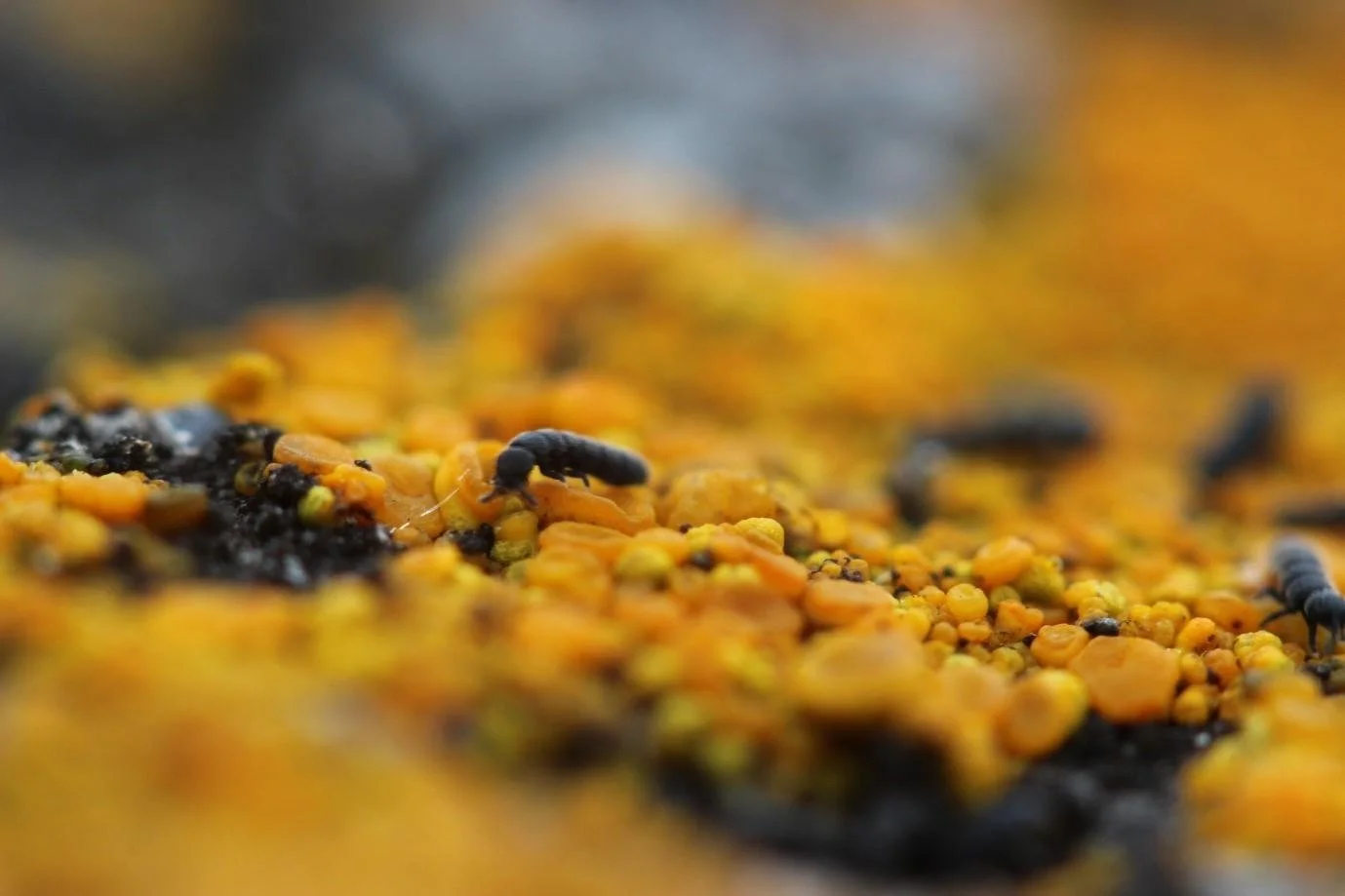
Study | The small hosting the small in Antarctica
In the tiny ice-free areas of Antarctica, carpets of mosses, lichens, and algae form miniature forests. These patches host Antarctica’s terrestrial animals: billions of mites and springtails.