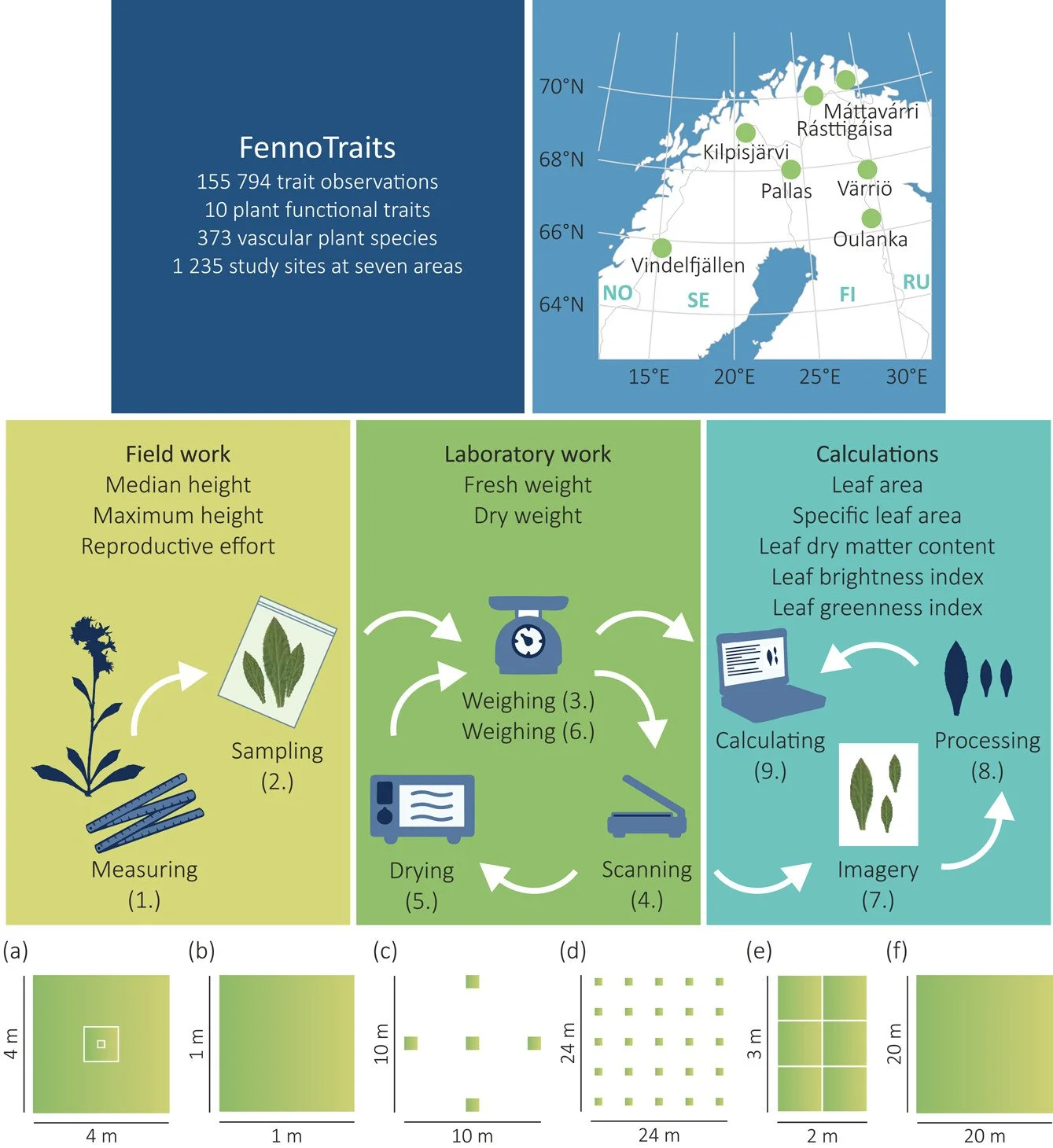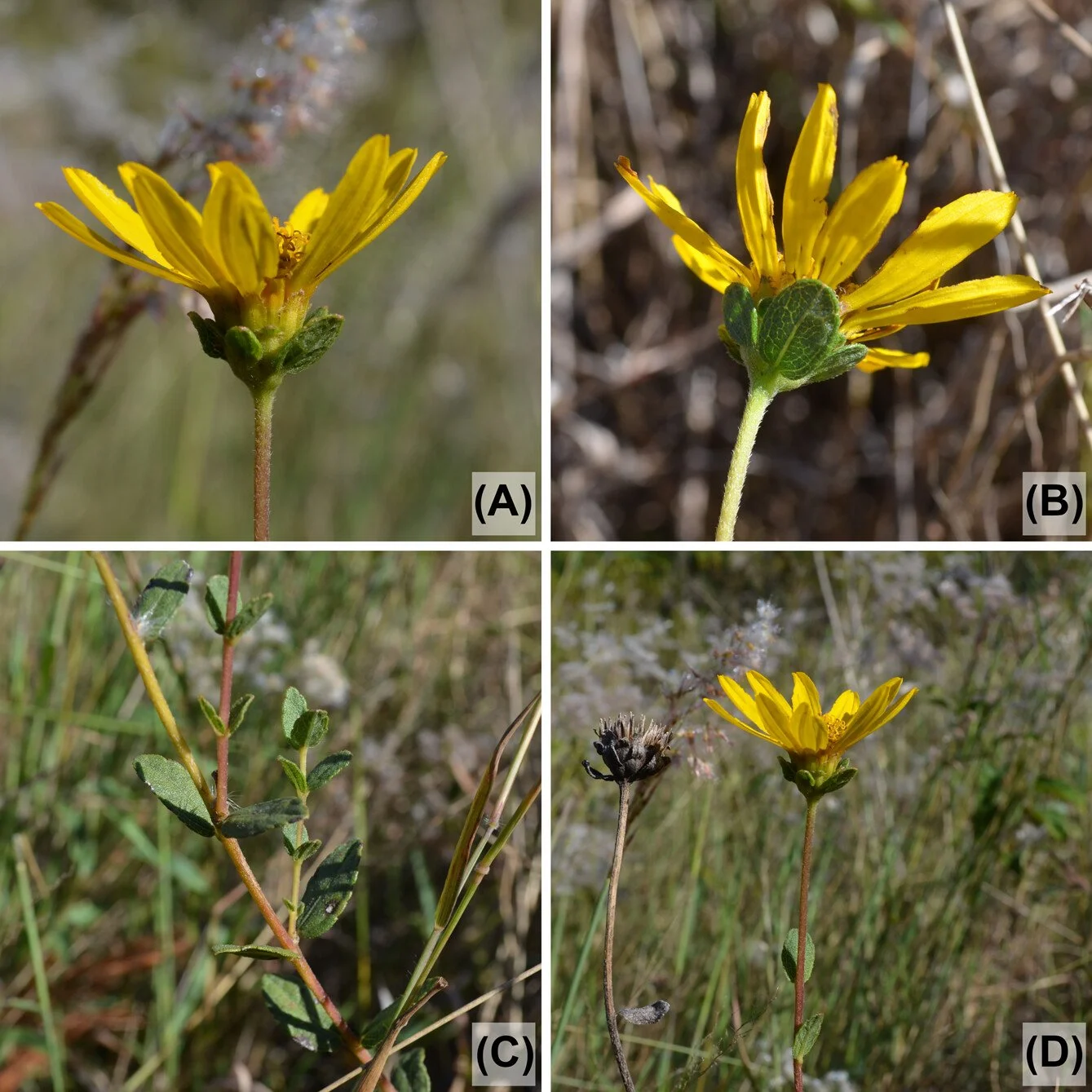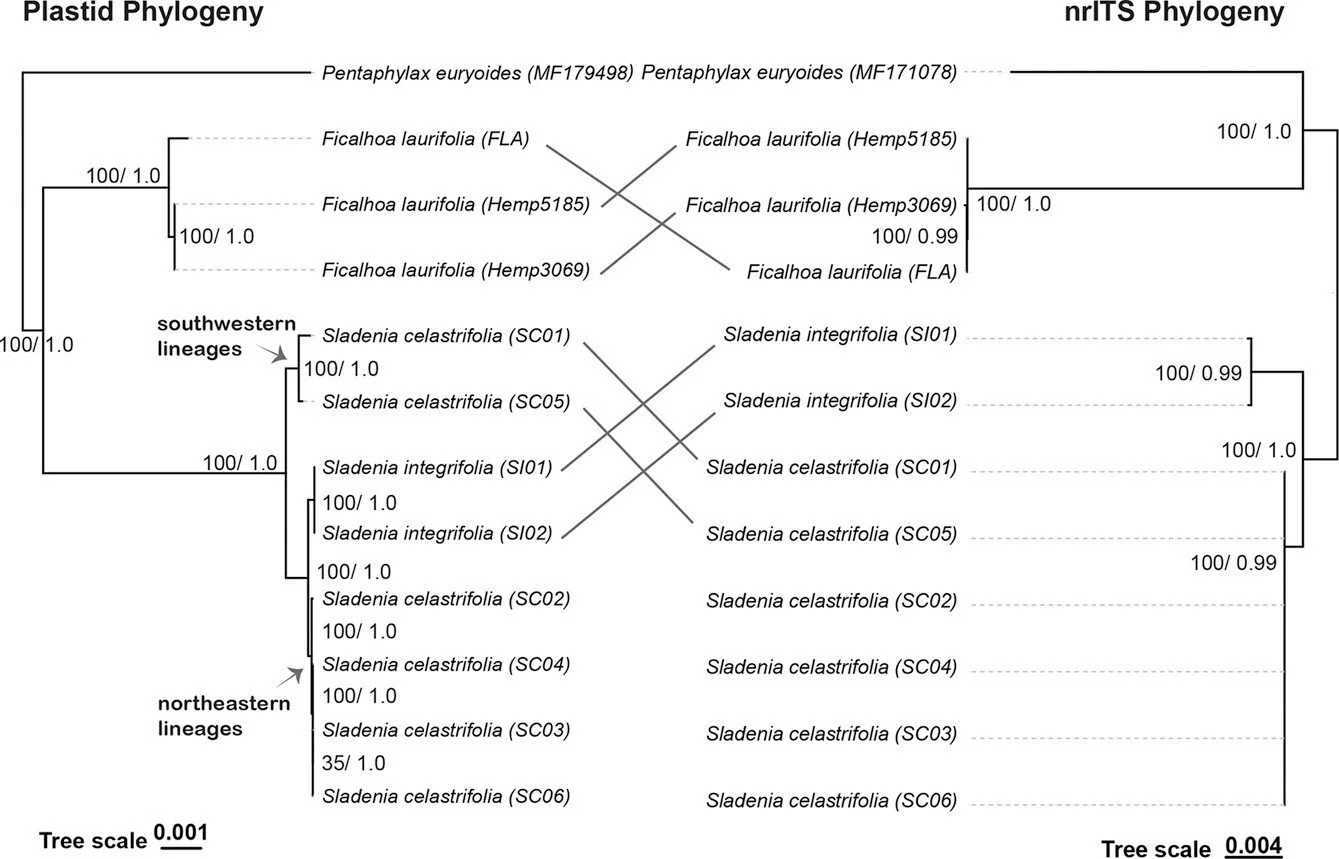
NJB Covers
Take a closer look at our latest cover images and the research behind them. High-resolution images are available free for download.
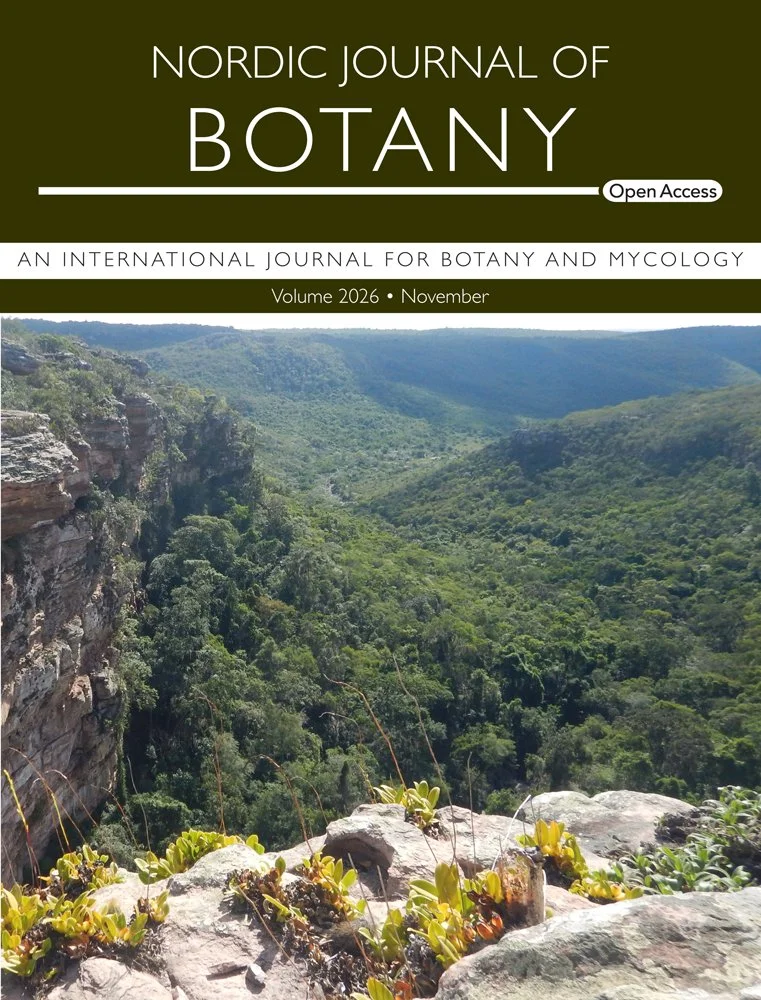
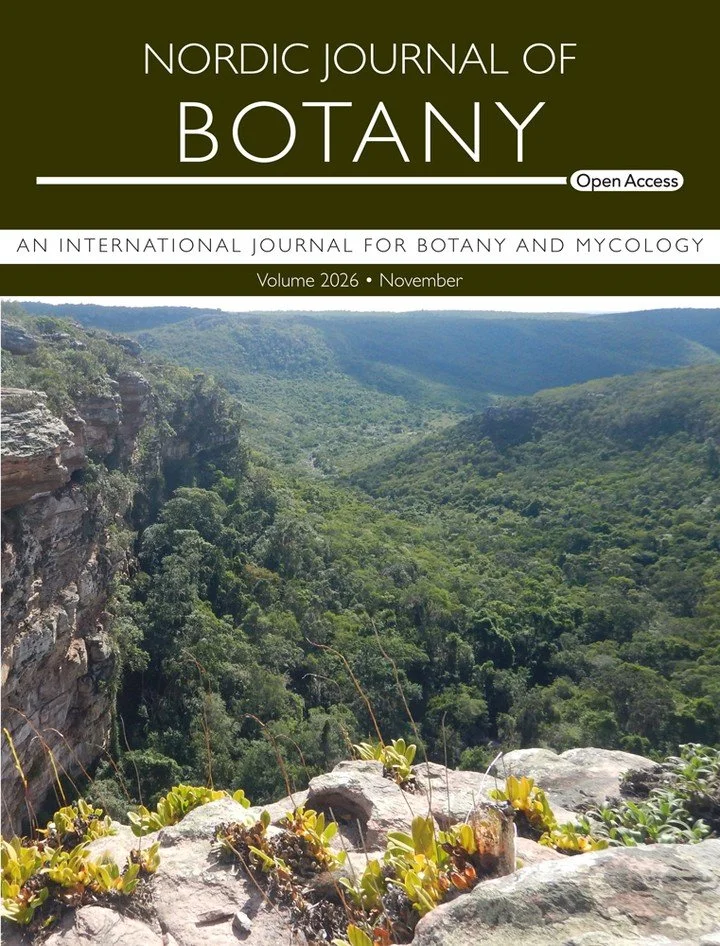
The cover image illustrates a campos rupestres site at Chapada Diamantina (Bahia, Brazil) showing a pivotal ecological niche for the species Bulbophyllum weddellii.
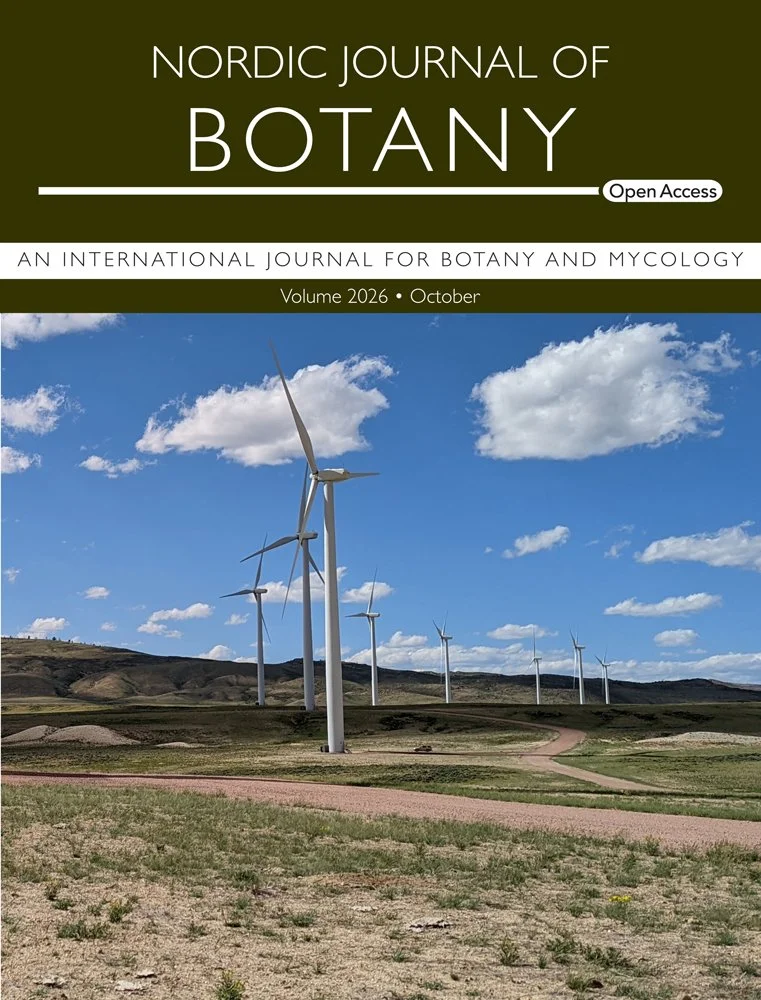
The cover shows a landscape view of part of an operational wind farm sited in mixed-grass prairie habitat in southeast Wyoming, USA. This was one of the field sites where footage was recorded for the study by Wischler et al.
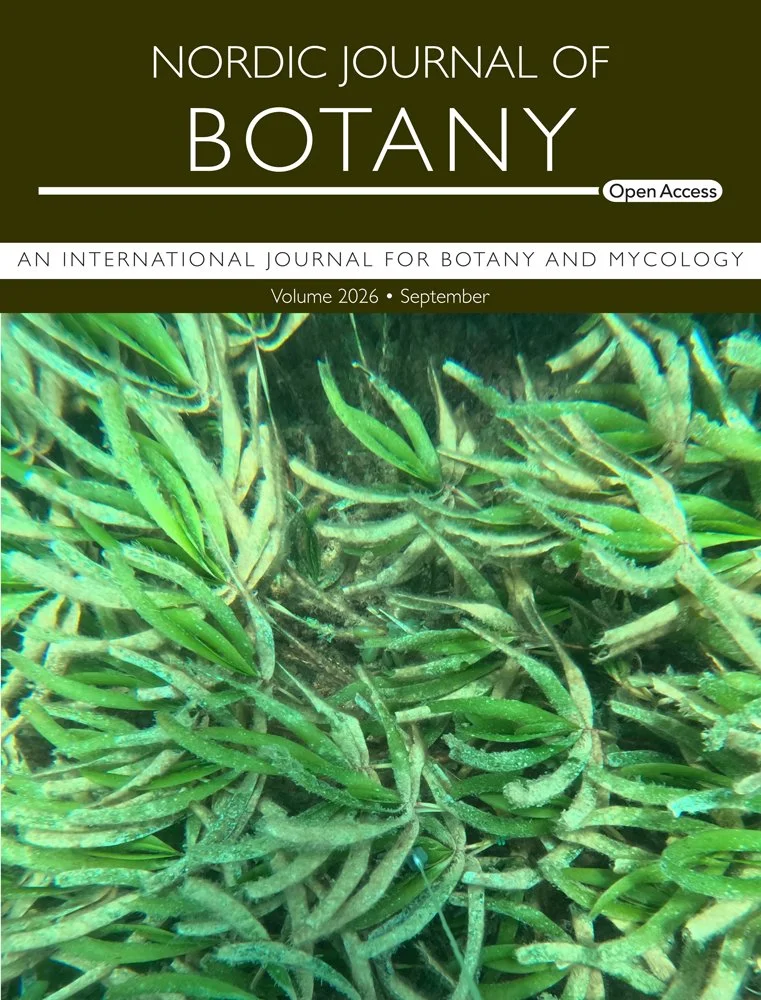
The cover image shows a dense meadow of the seagrass Thalassodendron ciliatum in its natural underwater habitat at Mbudya Island, Tanzania, where specimens were collected for morphological and molecular identification. The study by Lusana & Lugendo examines the diversity of Tanzania’s seagrasses, combining field-based taxonomy with DNA barcoding to identify 12 species and strengthen the molecular reference library for seagrasses of the Western Indian Ocean.
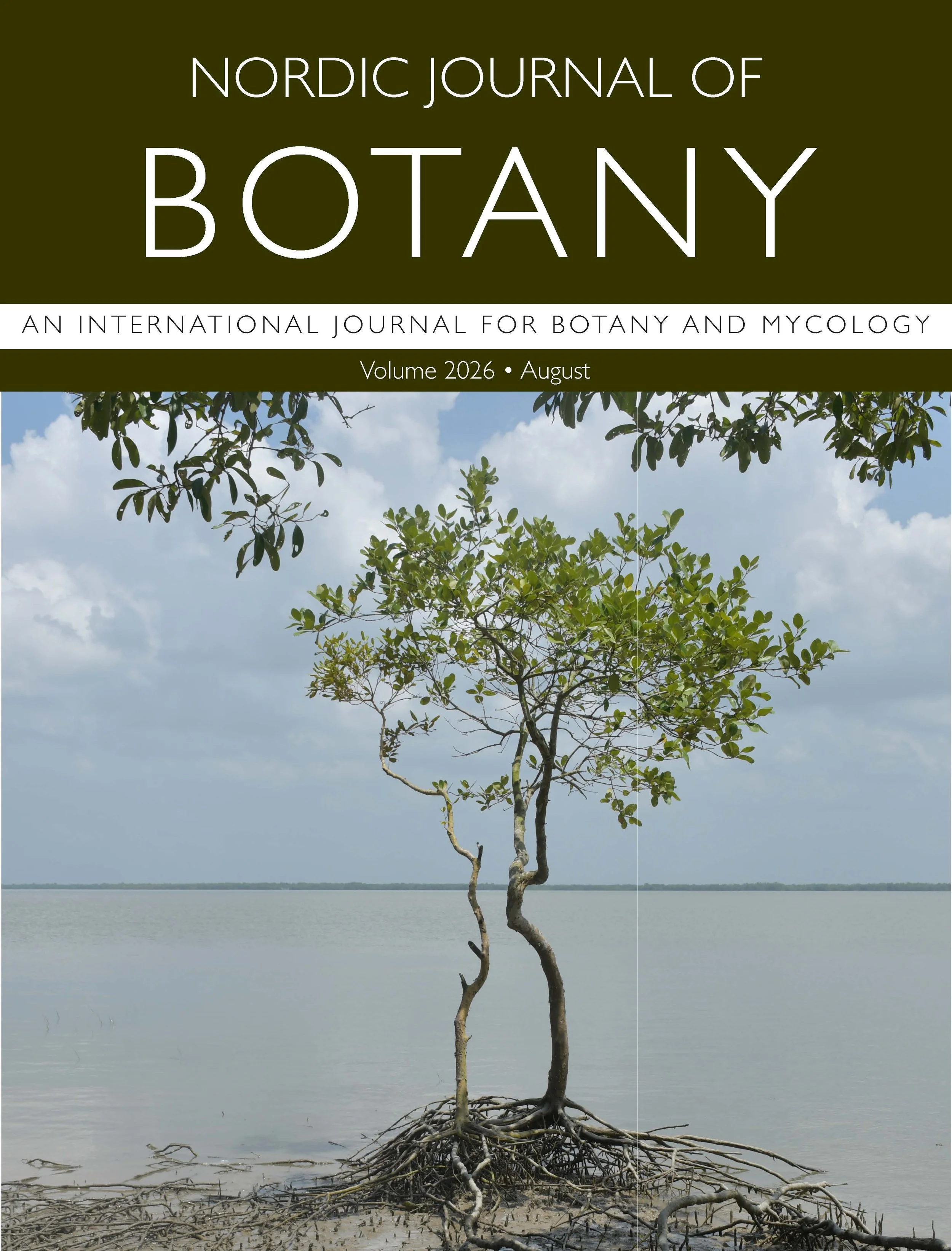
The cover image shows the mangrove species Avicennia marina from the Sundarbans. The new species was characterzied together with two other Avicennia species in the article by Mondal & Naskar. The Sundarbans mangrove forest accounts for approximately 42.5% of India's mangrove area.
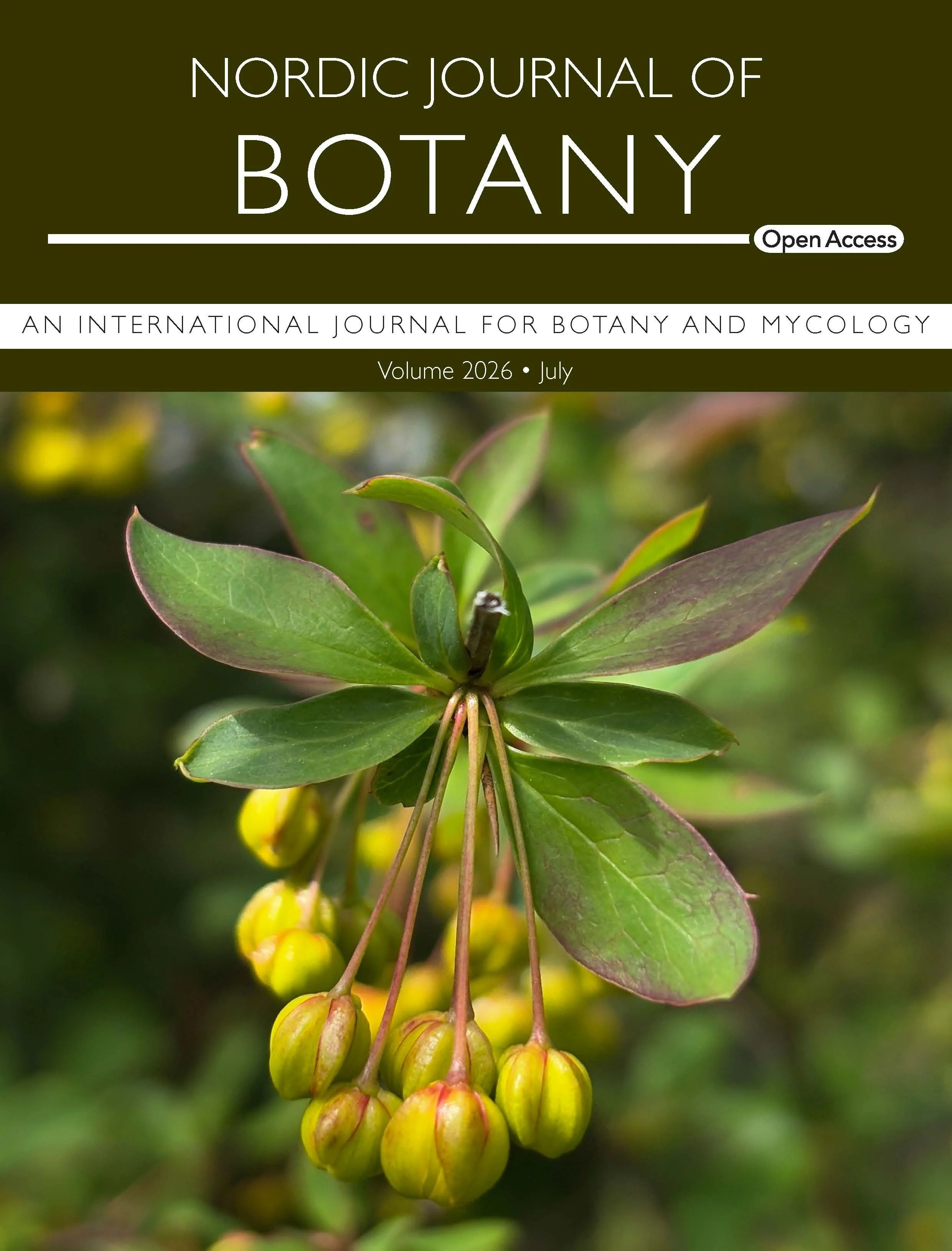
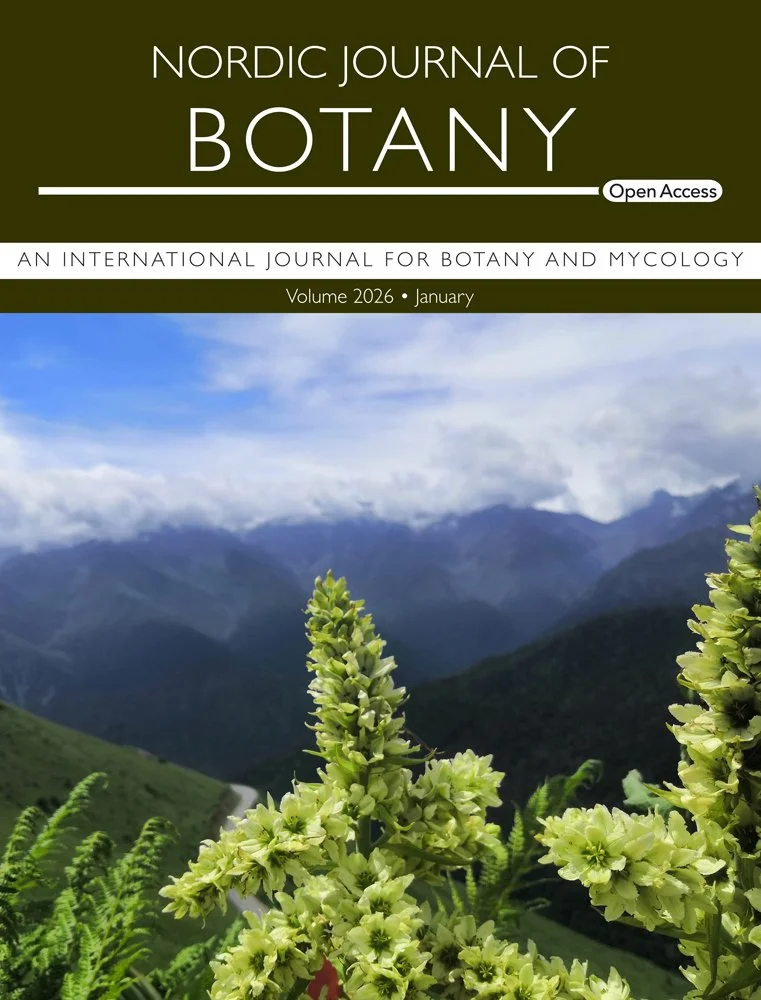
The cover image shows the inflorescence of Berberis tawangensis B.Hajong & P.Bharali. It is one of three new Berberis species described in the article by Hajong et al.
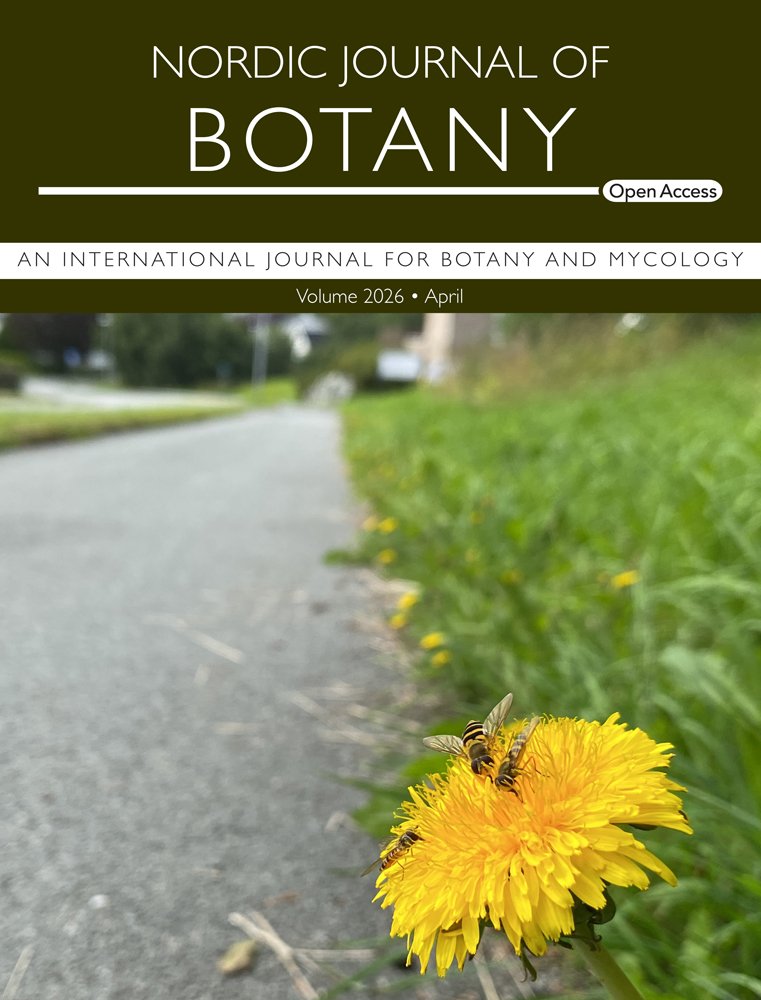
Special issue section on plant performance and diversity in roadside and railway habitats
Phylogenetic analysis reclassifies a geophytic Jatropha species as J. benghalensis, clarifying its distinction from closely related taxa.
Phylogenetic analyses reveal new Abrothallus species specialized on Ramalina lichens, highlighting hidden diversity and host specificity.
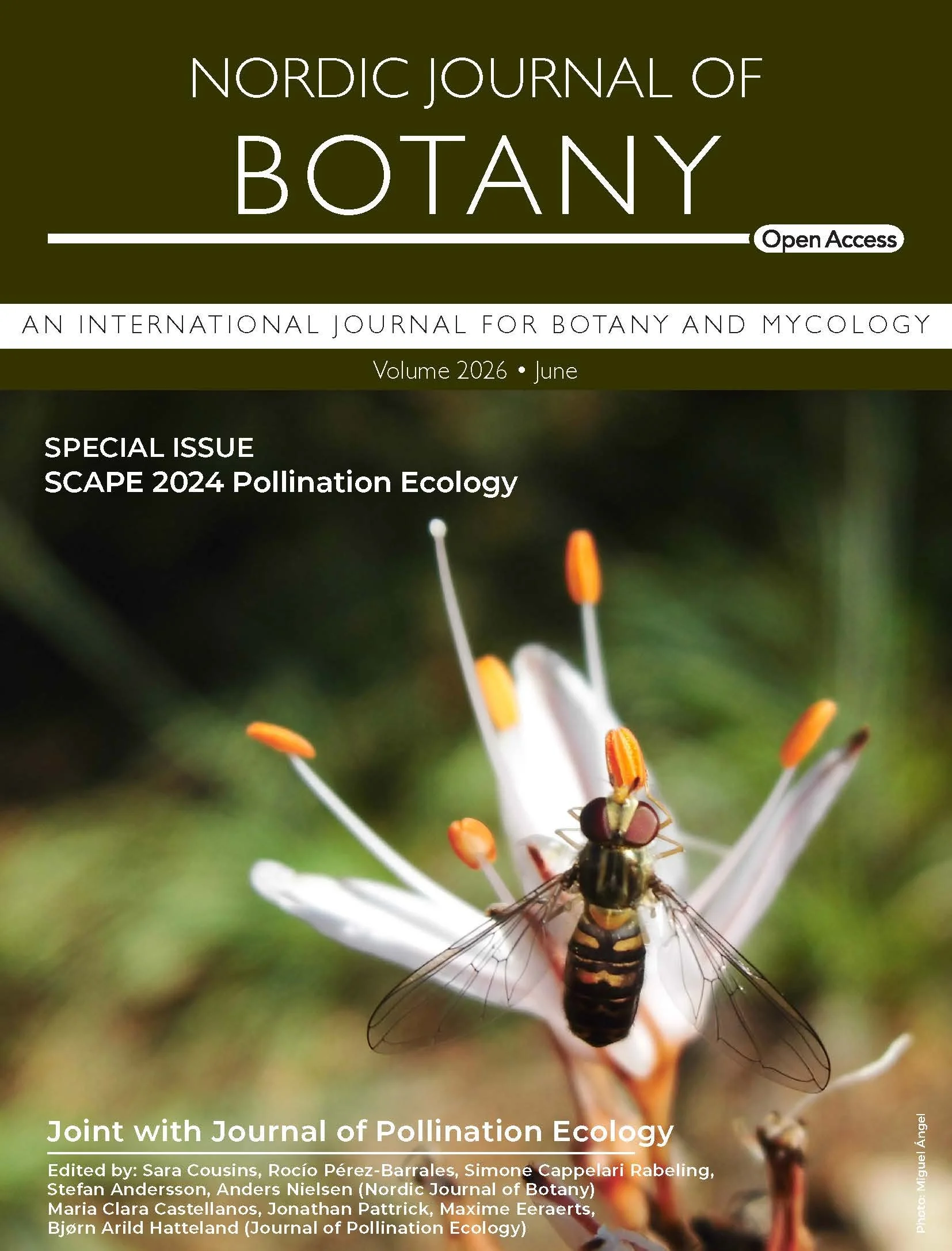
Pollen limitation in Veratrum grandiflorum differed significantly among flower, raceme, and whole plant level.
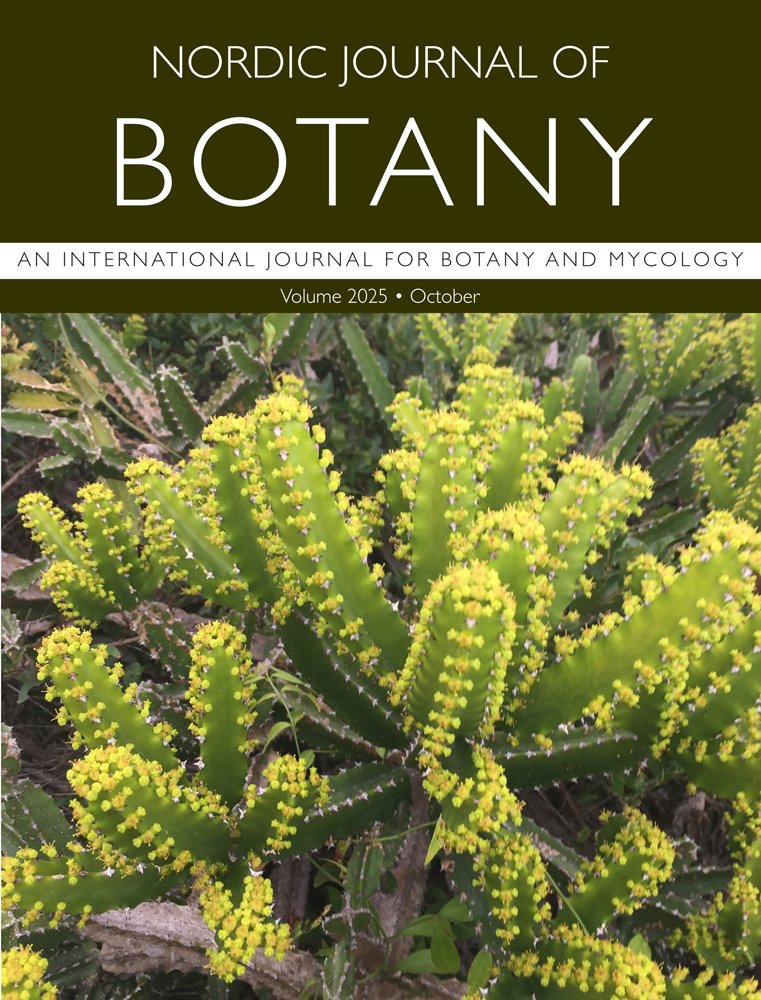
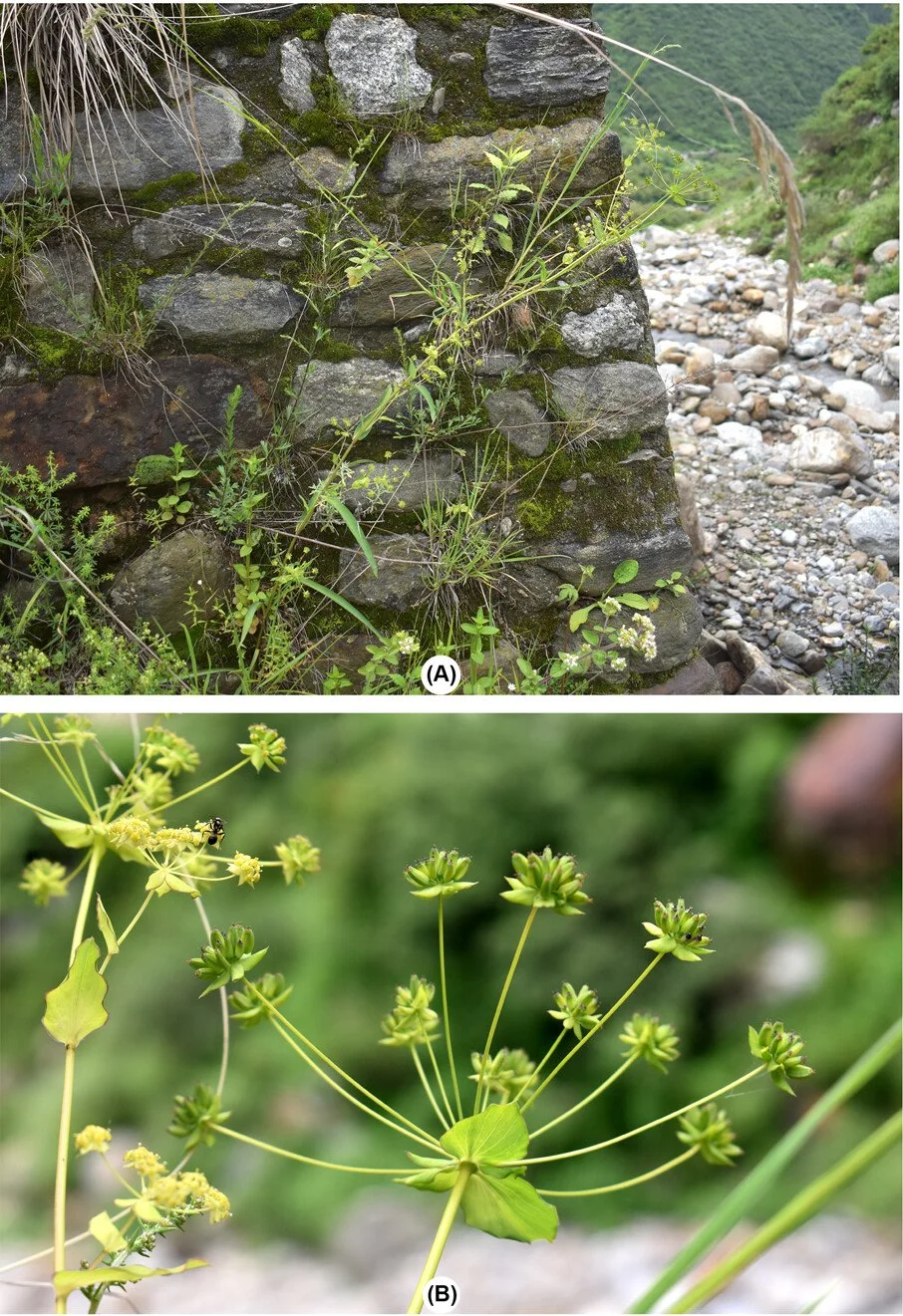
A new succulent species, Euphorbia paraikalli, is identified in India, distinguished from relatives and found in scattered hill populations.
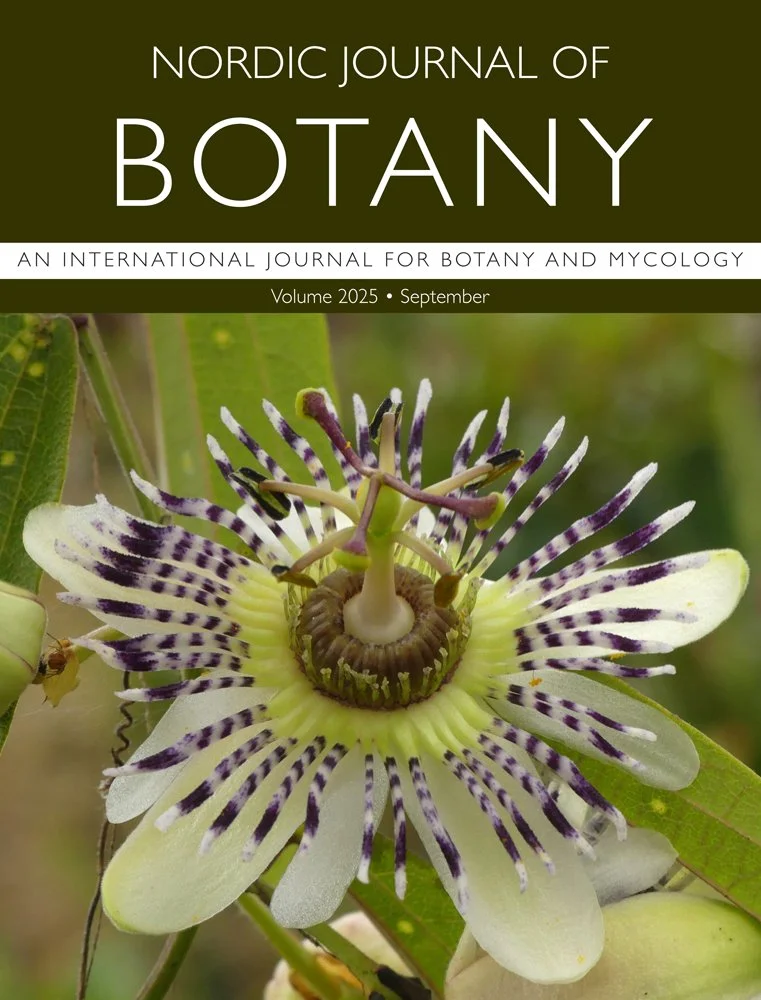
A new Passiflora species from Ecuador is described, highlighting localized diversity in a poorly explored region.
An updated identification key for Carex incorporates recent taxonomic changes and enables classification of over 300 European and Caucasian taxa.
A new natural hybrid orchid, Vanilla × robusta, is identified in Brazil, illustrating the role of hybridization in plant diversification.
Karst ecosystems host unique, highly specialized biodiversity but are increasingly threatened, underscoring the urgent need for their conservation.
A new Astragalus species from Iran is identified, underscoring hidden plant diversity and the need for conservation in mountainous regions.
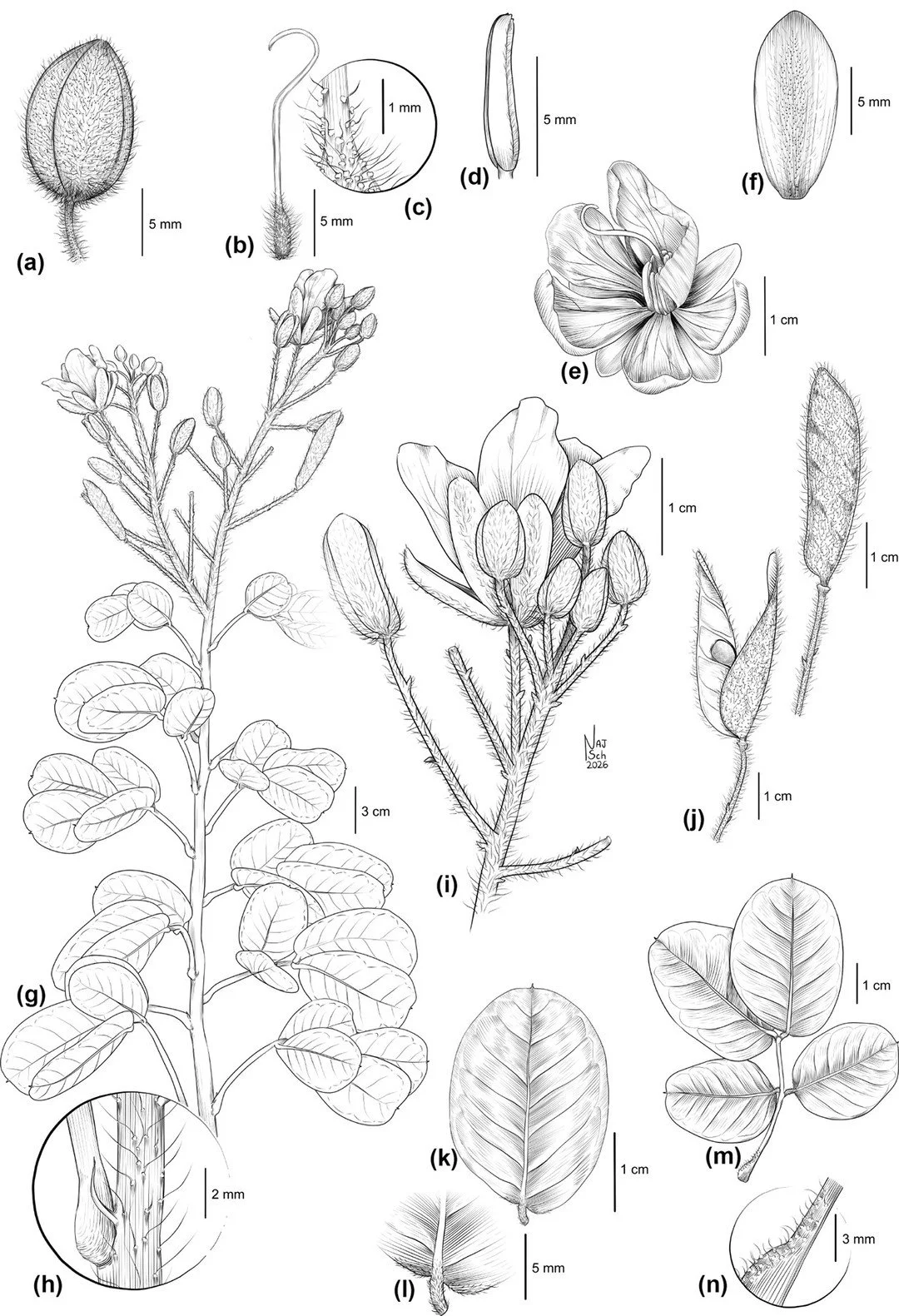
A plant species is reclassified into Schwannia, refining its taxonomy and highlighting its diversity across South American ecosystems.
Neottia cordata depends on pine-forest insects for pollination, highlighting the importance of conserving dynamic pine ecosystems.
Snowmelt timing had the strongest influence on plant community composition and seven plant communities could be identified along the gradient.
Liparis loeselii flowering in a moss-rich groundwater-fed fen on the island of Orø, Denmark.
Nordic Journal of Botany is a journal of the Nordic Society Oikos, published in cooperation with Wiley. The journal is available at Wiley Online Library.