
Cover | Nutrient status is the most important predictor for L. loeselii occurrence
January 2025 Cover
Photograph by Erik Vinther
Download the high-resolution image
This month’s cover features Liparis loeselii flowering in a moss-rich groundwater-fed fen on the island of Orø, Denmark. The groundwater discharge is pivotal to Phosphorus limitation and open vegetation.
Read the open access paper in Nordic Journal of Botany, by Kappel Andersen et al. (2024): Environmental drivers of the decline of the fen orchid Liparis loeselii.
Abstract:
Liparis loeselii is a rare and declining orchid species restricted to rich fens in the Northern Hemisphere. Habitat destruction, eutrophication, drainage and scrub encroachment have been suggested as reasons for the decline.
However, which factors are most important is not well understood. Based on vegetation and environmental properties from extant, potential and historical L. loeselii sites, we 1) developed habitat suitability models from either Ellenberg Indicator Values, which were derived from known habitat preferences of co-occurring plant species, or field-measured environmental properties, and 2) identified the primary reasons for the observed decline of L. loeselii.
We found nutrient status to be the most important predictor for L. loeselii occurrence, followed by hydrology proxies (Ellenberg reaction and Ellenberg moisture). Vegetation height and Ellenberg light were of minor importance. Effect partitioning based on sites, from which L. loeselii has gone locally extinct, pinpointed eutrophication and drainage to be the most likely primary drivers of the species' demise. Phosphorus limitation induced by discharge of calcium-rich groundwater seems to be crucial for L. loeselii to sustain populations in landscapes dominated by intensive agriculture.
Nordic Journal of Botany—who are we?
NORDIC JOURNAL OF BOTANY: An International Journal for Botany and Mycology is an Open Access journal owned by the Nordic Society Oikos.
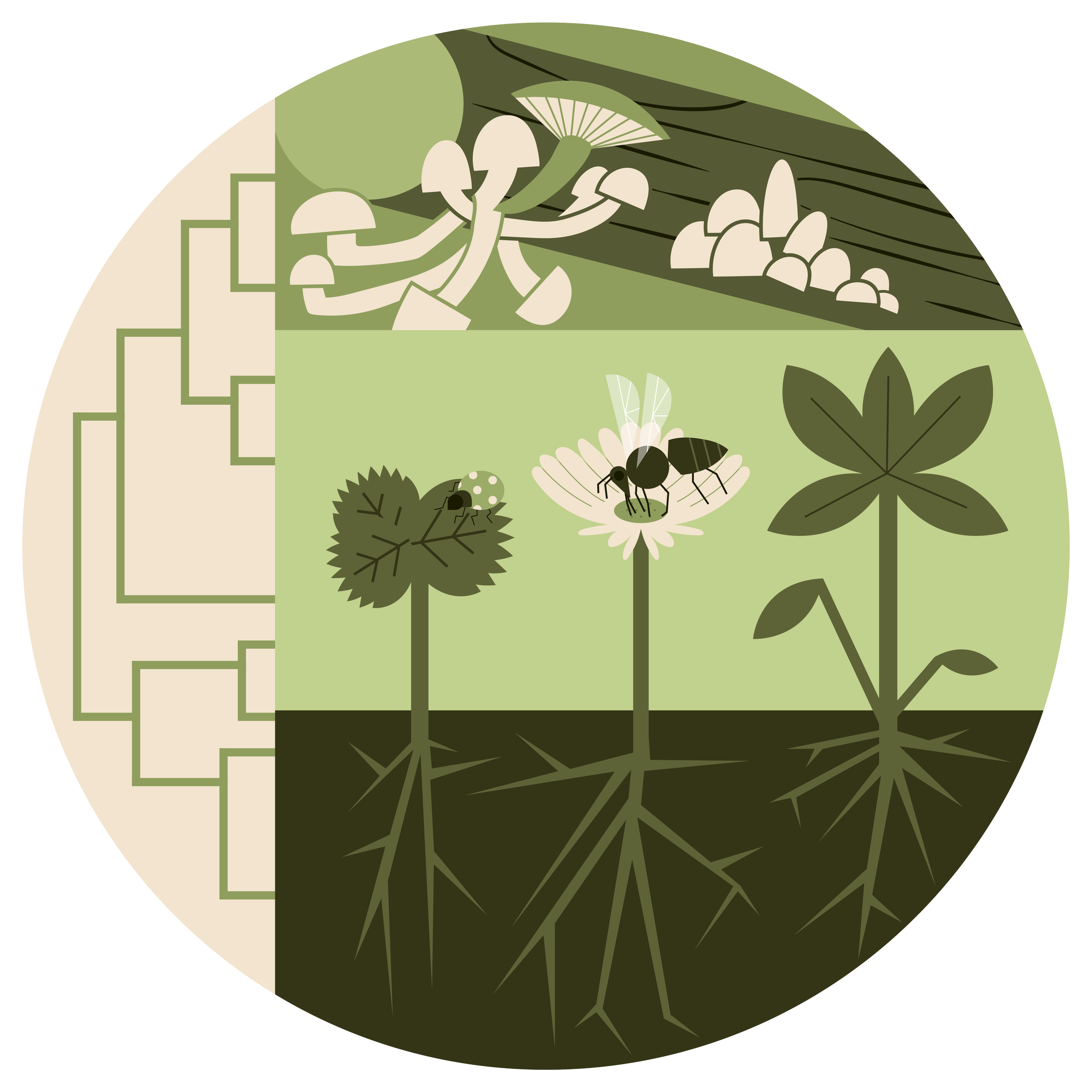
We are an international journal publishing research on all aspects of plant and fungal ecology, evolution, conservation, biogeography, and taxonomy. We welcome cross-disciplinary research such as plant-pollinator interactions, human-plant relations, and plant-ecosystem connections. Our scope includes algae and bryophytes and all groups of fungi. We explore trending topics in plant sciences and publish research from both established experts and early-career researchers.
Thinking about publishing with us?
NJB publishes Research Articles, Short Communications, and Review Papers
We value ethical standards in science (EDI, Open Access, waivers, accessible data and code, CRediT)
Check out NJB’s journal metrics and see our Author Guidelines
Our journals, our society—join us!
The Nordic Society Oikos engages the global scientific community through five international journals…
…and supports the national ecological societies of the five Nordic countries. Anyone worldwide can join the Nordic Society Oikos.
NSO is a home for ecologists, a nexus for knowledge, and a guiding light for ecology worldwide. We are an active network of ecologists in the Nordic region and around the globe.
Why join NSO? Membership benefits include:
Connections across a global community of ecologists and five national societies
NSO newsletters with member-only updates about Nordic ecology and society activities
Ongoing opportunities for promotion on NSO’s digital platforms and social media channels
Discounted registration for NSO’s biennial conference
Eligibility to apply for NSO Grants
Each member receives additional benefits from one of our five national societies:
Danish Oikos Society
Oikos Finland
Icelandic Ecological Society
Norwegian Ecological Society
Swedish Oikos Society
When you join NSO, you also become a member of one of our national societies. Which one? That’s up to you! Each national society provides its own benefits, including discounts to national conferences. Learn more about us at nordicsocietyoikos.org.