
Cover | SCAPE 2024 Pollination Ecology
Image of a female hoverfly (Episyrphus balteatus) on Asphodelus aestivus.
June 2026 Cover
Photograph by Miguel Ángel
Download the high-resolution image
At the 38th meeting of the Scandinavian Association for Pollination Ecology, which took place in 2024 in Lofthus, Norway, NJB and the Journal of Pollination Ecology (JPE) decided to build on the success of the SCAPE 2019 joint special issue. For this SCAPE 2024 special issue in pollination ecology, we brought together a new set of experts as guest editors and assembled the issue in two parts: articles with a focus on plants are published in the NJB issue, while articles with a focus on pollinators are published in the JPE issue.
The cover image shows a female of the hoverfly Episyrphus balteatus (Diptera: Syrphidae), interacting with the anther of Asphodelus aestivus Brot. (Liliaceae). The image relates to the study by Kazantzidou et al. which explores the interannual shifts in pollinators’ roles within pollination networks. The authors used two years of data from 18 plant–pollinator communities on Mallorca Island (Spain), to assess the interannual variation in plant and pollinator assemblages. They then examined how changes in pollinator and plant abundance and richness related to changes in pollinator generalization, network roles, and diet breadth. There was no significant interannual variation in plant abundance or richness, whereas pollinator abundance and richness changed significantly between years, with different functional groups responding differently. Interannual variation in pollinator abundance and richness was significantly associated with variation in most network metrics. In general, increases in species abundance were linked to greater generalization, while increases in pollinator richness were associated with more specialized interactions. These patterns were partly driven by shifts in pollinator diets, as species occurring in both years expanded their diet breadth when their abundance increased.
Read the Editorial in Nordic Journal of Botany, by Kazantzidou et al. (2026): Community composition mediates interannual shifts in pollinators' roles within networks.
Nordic Journal of Botany—who are we?
NORDIC JOURNAL OF BOTANY: An International Journal for Botany and Mycology is an Open Access journal owned by the Nordic Society Oikos.
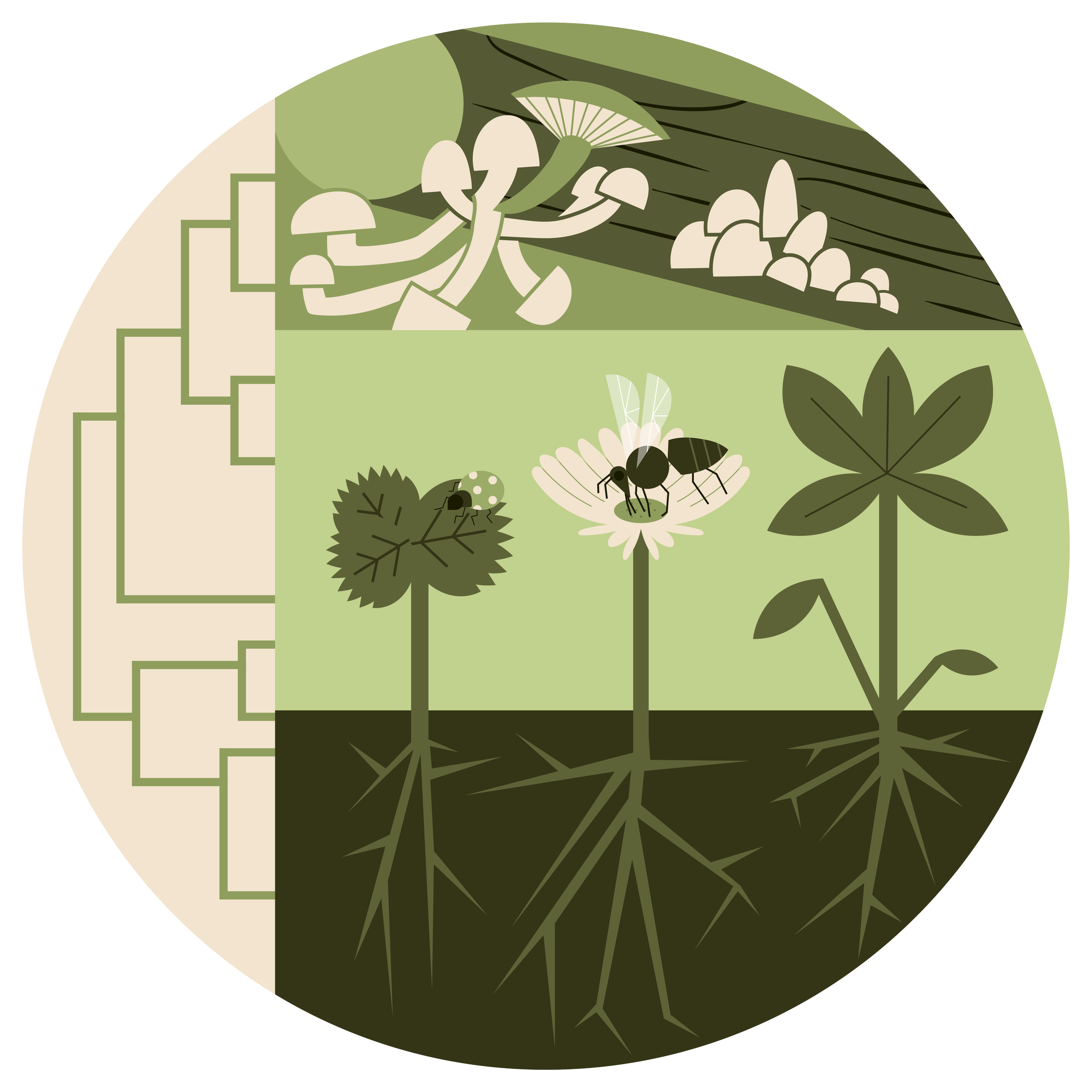
We are an international journal publishing research on all aspects of plant and fungal ecology, evolution, conservation, biogeography, and taxonomy. We welcome cross-disciplinary research such as plant-pollinator interactions, human-plant relations, and plant-ecosystem connections. Our scope includes algae and bryophytes and all groups of fungi. We explore trending topics in plant sciences and publish research from both established experts and early-career researchers.
Thinking about publishing with us?
NJB publishes Research Articles, Short Communications, and Review Papers
We value ethical standards in science (EDI, Open Access, waivers, accessible data and code, CRediT)
Check out NJB’s journal metrics and see our Author Guidelines
Our journals, our society—join us!
The Nordic Society Oikos engages the global scientific community through five international journals…
…and supports the national ecological societies of the five Nordic countries. Anyone worldwide can join the Nordic Society Oikos.
NSO is a home for ecologists, a nexus for knowledge, and a guiding light for ecology worldwide. We are an active network of ecologists in the Nordic region and around the globe.
Why join NSO? Membership benefits include:
Connections across a global community of ecologists and five national societies
NSO newsletters with member-only updates about Nordic ecology and society activities
Ongoing opportunities for promotion on NSO’s digital platforms and social media channels
Discounted registration for NSO’s biennial conference
Eligibility to apply for NSO Grants
Each member receives additional benefits from one of our five national societies:
Danish Oikos Society
Oikos Finland
Icelandic Ecological Society
Norwegian Ecological Society
Swedish Oikos Society
When you join NSO, you also become a member of one of our national societies. Which one? That’s up to you! Each national society provides its own benefits, including discounts to national conferences. Learn more about us at nordicsocietyoikos.org.