
November Cover
Photograph by Cecilia Fiorini
Download the high-resolution image
The cover image illustrates a campos rupestres site at Chapada Diamantina (Bahia, Brazil) showing a pivotal ecological niche for the species Bulbophyllum weddellii.
Read the open access paper in Nordic Journal of Botany, by Boanares et al. (2026): Bulbophyllum weddellii (Orchidaceae) demonstrates foliar water uptake plasticity along Brazilian campos rupestres.
Abstract:
Phenotypic plasticity can facilitate species survival in a variety of conditions that are not possible with a fixed phenotype. Foliar water uptake (FWU), defined as the absorption of water through leaf surfaces, is an important mechanism contributing to plant water balance and drought tolerance in many species. It is known that FWU varies within species at the landscape scale, showing phenotypic variability. Here, we investigated the plasticity of FWU capacity across Bulbophyllum weddellii populations and its potential adaptive value using a common garden experiment. FWU was higher in plant populations from more humid environments, but leaves from the same plants grown in a greenhouse show no difference regarding FWU. Thus, this study confirmed that B. weddellii leaves have physiological plasticity in relation to FWU. This plasticity may enable establishment in distinct environments and explain the wide distribution of this species. More broadly, our findings suggest that FWU plasticity can contribute to plant persistence in seasonally and climatically variable ecosystems, with important implications for species responses to ongoing climate change.
Nordic Journal of Botany—who are we?
NORDIC JOURNAL OF BOTANY: An International Journal for Botany and Mycology is an Open Access journal owned by the Nordic Society Oikos.
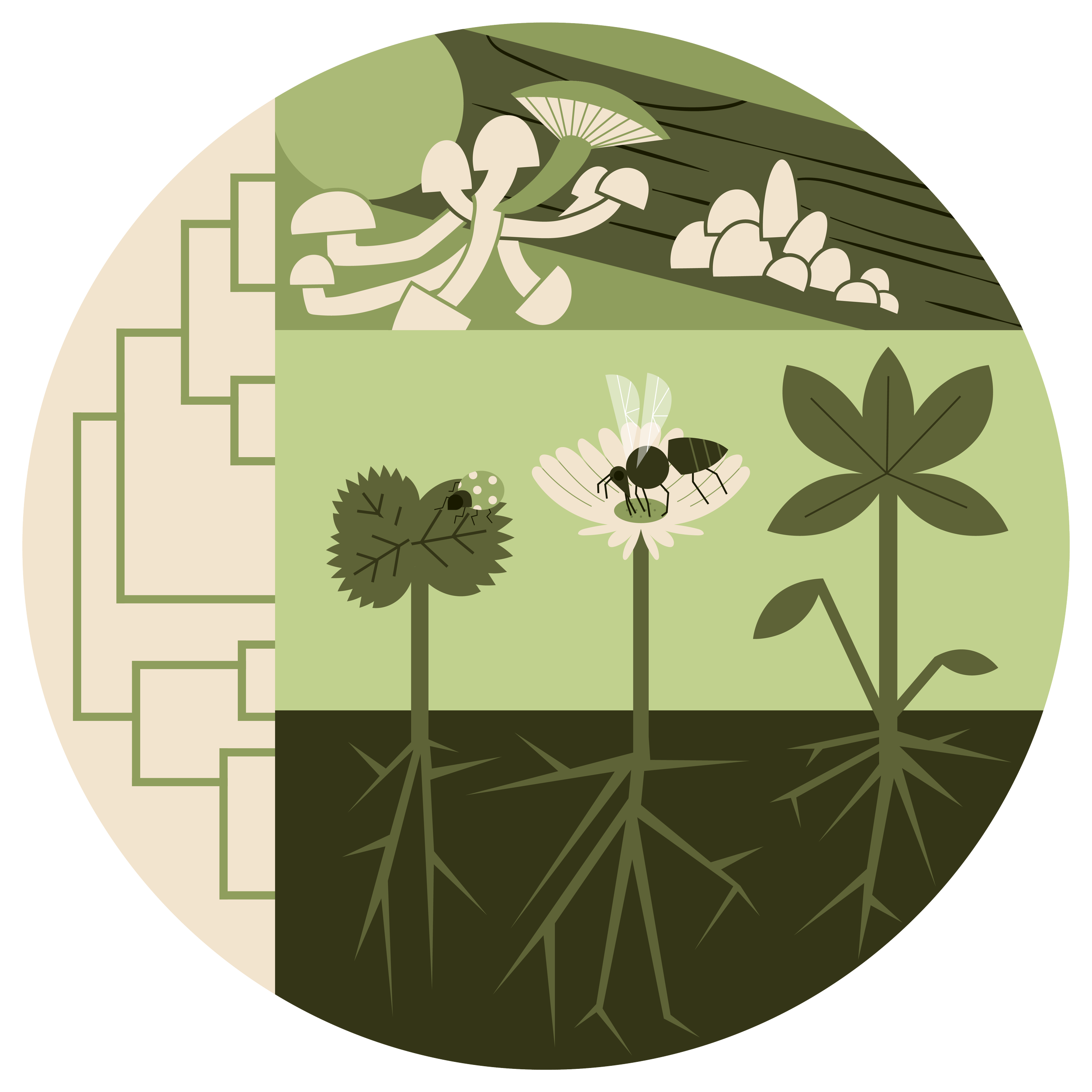
We are an international journal publishing research on all aspects of plant and fungal ecology, evolution, conservation, biogeography, and taxonomy. We welcome cross-disciplinary research such as plant-pollinator interactions, human-plant relations, and plant-ecosystem connections. Our scope includes algae and bryophytes and all groups of fungi. We explore trending topics in plant sciences and publish research from both established experts and early-career researchers.
Thinking about publishing with us?
NJB publishes Research Articles, Short Communications, and Review Papers
We value ethical standards in science (EDI, Open Access, waivers, accessible data and code, CRediT)
Check out NJB’s journal metrics and see our Author Guidelines
Our journals, our society—join us!
The Nordic Society Oikos engages the global scientific community through five international journals…
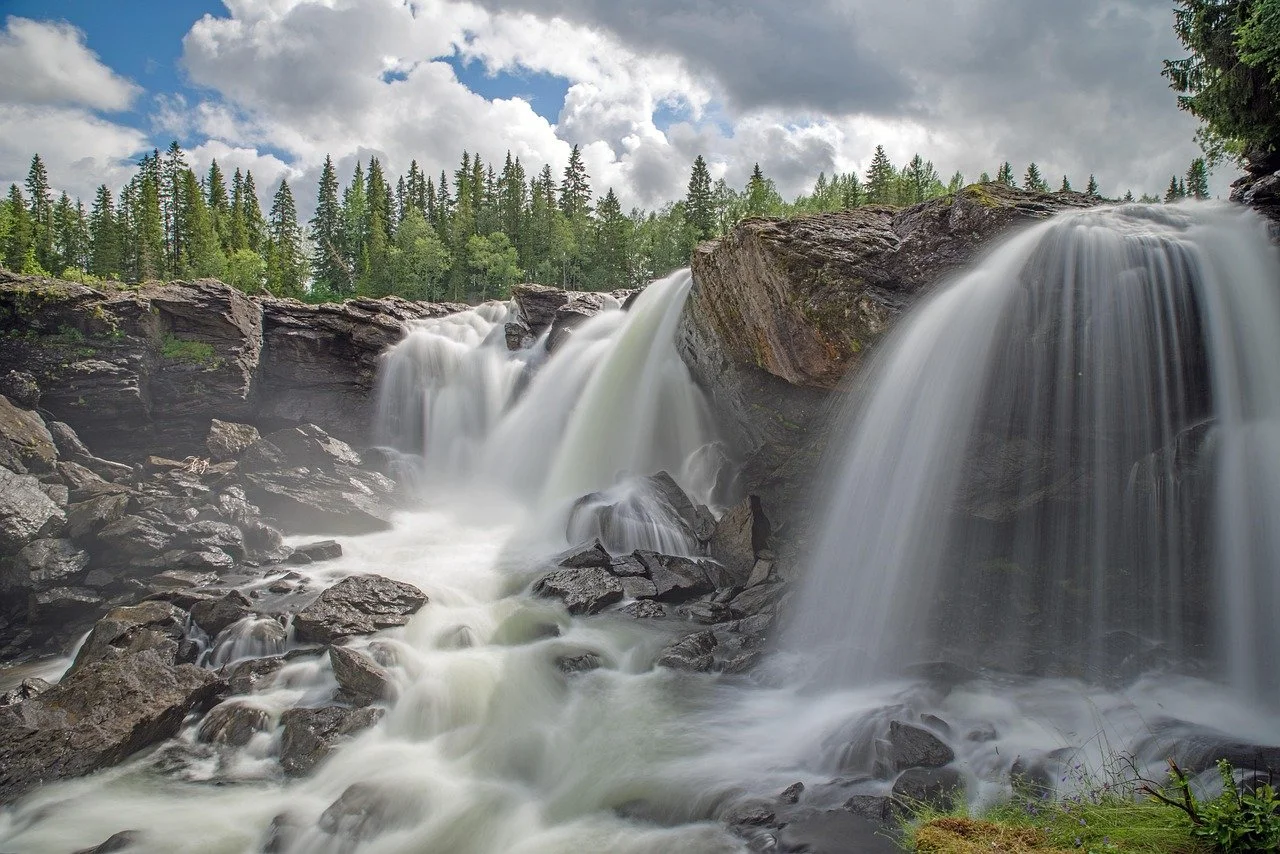
…and supports the national ecological societies of the five Nordic countries. Anyone worldwide can join the Nordic Society Oikos.
NSO is a home for ecologists, a nexus for knowledge, and a guiding light for ecology worldwide. We are an active network of ecologists in the Nordic region and around the globe.
Why join NSO? Membership benefits include:
Connections across a global community of ecologists and five national societies
NSO newsletters with member-only updates about Nordic ecology and society activities
Ongoing opportunities for promotion on NSO’s digital platforms and social media channels
Discounted registration for NSO’s biennial conference
Eligibility to apply for NSO Grants
Each member receives additional benefits from one of our five national societies:
Danish Oikos Society
Oikos Finland
Icelandic Ecological Society
Norwegian Ecological Society
Swedish Oikos Society
When you join NSO, you also become a member of one of our national societies. Which one? That’s up to you! Each national society provides its own benefits, including discounts to national conferences. Learn more about us at nordicsocietyoikos.org.