
Cover | Floral polymorphism in Sedum diversiflorum sp. nov.
December 2025 Cover
Photograph by Takuro Ito
Download the high-resolution image
The cover image shows the floral polymorphism Sedum diversiflorum sp. nov., a new species from Yoron-jima Island described by Ito et al. The plants exhibit remarkable variation in floral merosity – in the number of petal, stamen, and pistils – a unique trait absent in other East Asian Sedum species. The phylogenetic analysis suggests that the species is the result of an introgressive hybridization event between S. danjoense and S. formosanum subsp. miyakojimense. The plants flower between October-December which is unsual for plants in that region. Because of its fragmented population, small number of mature individuals, and restricted area of occupancy, S. diversiflorum is classified as ‘Vulnerable'.
Read the open access paper in Nordic Journal of Botany, by Ito et al. (2025): Sedum diversiflorum sp. nov. (Crassulaceae), a new species with variable merosity from the Satsunan Islands, Kagoshima, Japan.
Abstract:
We re-examined the taxonomic status of a plant previously identified as Sedum formosanum subsp. formosanum from four islands in the Satsunan Islands, Japan. To clarify its taxonomic identity, we conducted morphological and phenological comparisons and performed molecular phylogenetic analyses based on nuclear internal transcribed spacer (ITS) and three chloroplast DNA regions using closely related species of Sedum in East Asia.
Morphologically, the plants share traits with S. danjoense, S. formosanum subsp. formosanum, S. formosanum subsp. miyakojimense, S. plumbizincicola and S. tetractinum, but differ in key features such as their perennial life cycle, greenish to yellowish stem, presence of lateral branches, spatulate leaves with rounded apices, variation in sepal shape, yellow anthers, oblique fruits and autumnal flowering (October–December). Notably, the plants exhibit remarkable variation in floral merosity – in the number of petal, stamen, and pistils – a unique trait absent in other East Asian Sedum species. Phylogenetic analyses revealed inconsistency between the nuclear ITS tree and the chloroplast DNA tree: the nuclear ITS tree clustered the plants with S. danjoense, whereas the chloroplast DNA tree grouped them with S. formosanum subsp. miyakojimense. This finding suggests that the plants experienced chloroplast capture due to introgressive hybridization between the two species. Considering their distinct morphological, phenological and genetic features, we described these plants as a new species, Sedum diversiflorum.
Nordic Journal of Botany—who are we?
NORDIC JOURNAL OF BOTANY: An International Journal for Botany and Mycology is an Open Access journal owned by the Nordic Society Oikos.
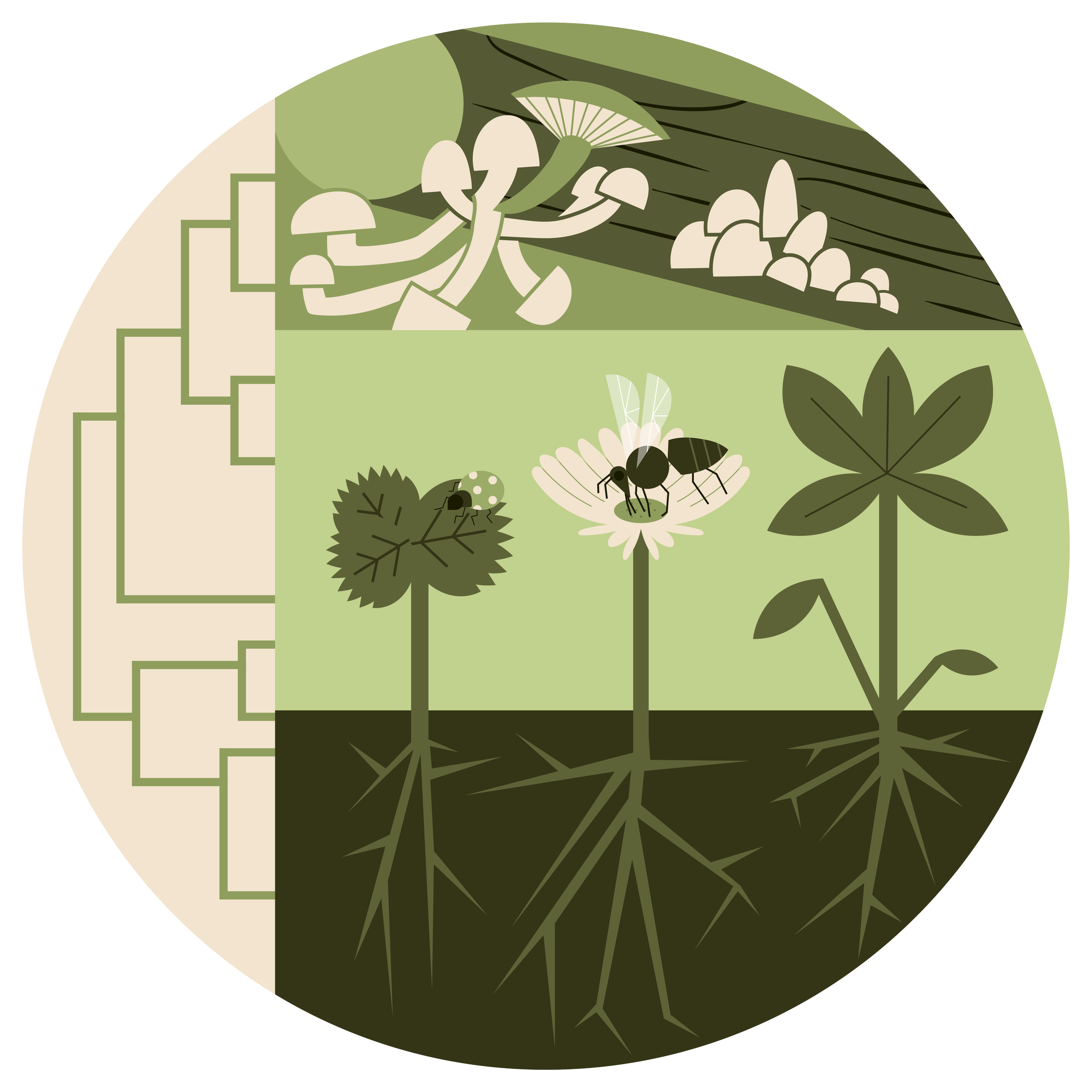
We are an international journal publishing research on all aspects of plant and fungal ecology, evolution, conservation, biogeography, and taxonomy. We welcome cross-disciplinary research such as plant-pollinator interactions, human-plant relations, and plant-ecosystem connections. Our scope includes algae and bryophytes and all groups of fungi. We explore trending topics in plant sciences and publish research from both established experts and early-career researchers.
Thinking about publishing with us?
NJB publishes Research Articles, Short Communications, and Review Papers
We value ethical standards in science (EDI, Open Access, waivers, accessible data and code, CRediT)
Check out NJB’s journal metrics and see our Author Guidelines
Our journals, our society—join us!
The Nordic Society Oikos engages the global scientific community through five international journals…
…and supports the national ecological societies of the five Nordic countries. Anyone worldwide can join the Nordic Society Oikos.
NSO is a home for ecologists, a nexus for knowledge, and a guiding light for ecology worldwide. We are an active network of ecologists in the Nordic region and around the globe.
Why join NSO? Membership benefits include:
Connections across a global community of ecologists and five national societies
NSO newsletters with member-only updates about Nordic ecology and society activities
Ongoing opportunities for promotion on NSO’s digital platforms and social media channels
Discounted registration for NSO’s biennial conference
Eligibility to apply for NSO Grants
Each member receives additional benefits from one of our five national societies:
Danish Oikos Society
Oikos Finland
Icelandic Ecological Society
Norwegian Ecological Society
Swedish Oikos Society
When you join NSO, you also become a member of one of our national societies. Which one? That’s up to you! Each national society provides its own benefits, including discounts to national conferences. Learn more about us at nordicsocietyoikos.org.