
Cover | How do low-traffic roads affect ground-nesting birds?
November/December Cover
Photo by Tómas G. Gunnarsson
Download the high-resolution image
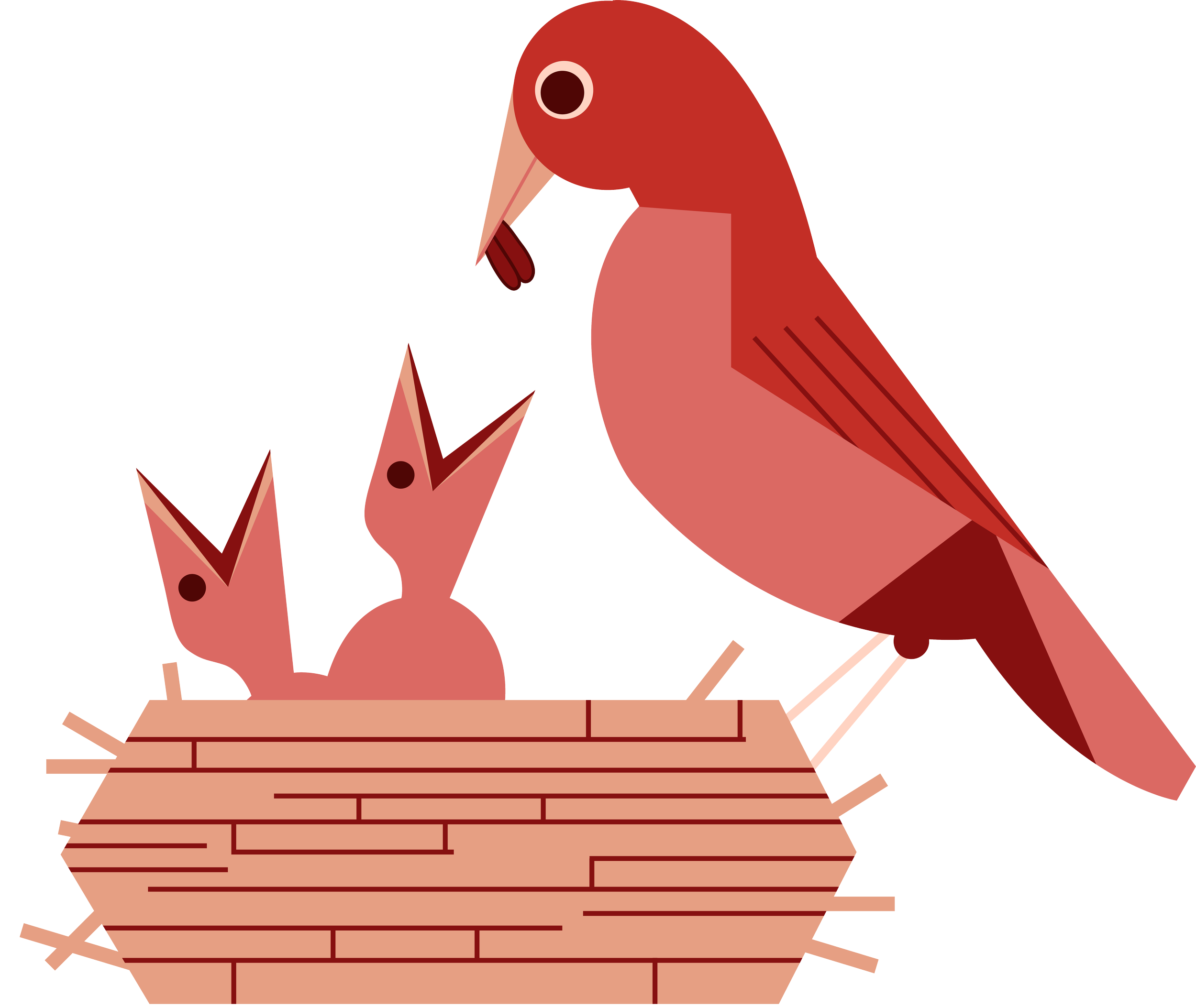
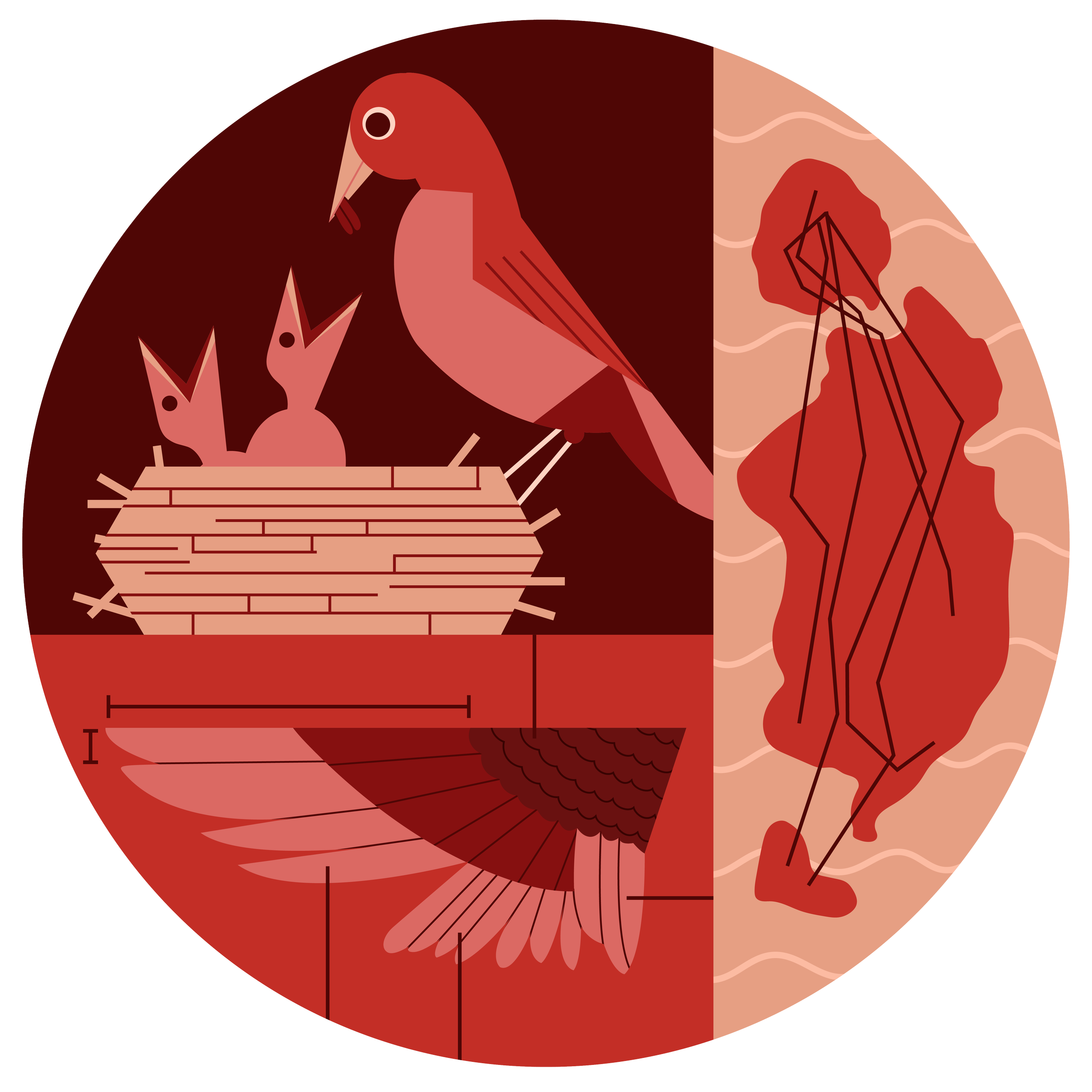
Our November-December 2025 cover depicts a common snipe.
Read the open access paper in Journal of Avian Biology, by Pálsdóttir et al. (2025): Effect of low-traffic roads on abundance of ground-nesting birds in sub-Arctic habitats.
Abstract:
Roads are among the most widespread anthropogenic structures, and their presence can impact biodiversity in surrounding landscapes through disturbance and collision risk, particularly when traffic volumes are high. However, the impact of roads with low traffic volumes in open landscapes is much less clear. In the open landscapes of lowland Iceland, road traffic is still relatively low but increasing, and the surrounding landscapes support internationally important populations of several breeding wader species.
Here, we used transect counts perpendicular to low-traffic (≤ 15 000 vehicles day−1) roads across the lowlands of southern Iceland to quantify variation in the densities of ground-nesting birds with distance from roads, and to assess how far from the roads any such effects extended.
The total abundance of birds increased significantly by 6% per 50 m interval from roads, and densities within 200 m of roads were ~ 20% lower than densities between 200 and 400 m from roads. Four species – whimbrel Numenius phaeopus, golden plover Pluvialis apricaria, dunlin Calidris alpina and meadow pipit Anthus pratensis – were found in significantly lower densities closer to roads, while four – black-tailed godwit Limosa limosa, redshank Tringa totanus, snipe Gallinago gallinago and redwing Turdus iliacus – showed no change with distance from roads. Redwing was found in higher densities, and dunlin in lower densities, surrounding roads with higher traffic volumes.
As approximately 20% of lowland Iceland is within 200 m of roads, the impact of roads on the overall abundance of ground-nesting birds could be substantial. The results show that even relatively low-traffic roads can have a significant impact on adjacent wildlife populations. Road construction, along with other anthropogenic structures, has been shown to have negative effects on bird abundance, and identifying areas for protection from such developments may be the most effective approach to reducing human impacts on the internationally important wildlife of lowland Iceland.
Journal of Avian Biology—who are we?
JOURNAL of AVIAN BIOLOGY: Empirical and Theoretical Research in Ornithology is an Open Access journal owned by the Nordic Society Oikos.
We are a journal for innovative, hypothesis-driven research on the biology of birds, with a particular emphasis on ecological, evolutionary and behavioural studies. We welcome submissions that study avian biology across all levels of ecological organization, from organisms and populations to communities and ecosystems. The journal also welcomes studies that report negative results, provided they are conducted rigorously and are scientifically informative. As a Nordic Society Oikos journal, we advocate research that is fair, openly accessible and reproducible.
Thinking about publishing with us?
Journal of Avian Biology offers a Review Award for early-career researchers.
We value ethical standards in science (EDI, Open Access, waivers, accessible data and code, CRediT)
Check out JAB’s journal metrics and see our Author Guidelines
Our journals, our society—join us!
The Nordic Society Oikos engages the global scientific community through five international journals…

…and supports the national ecological societies of the five Nordic countries. Anyone worldwide can join the Nordic Society Oikos.
NSO is a home for ecologists, a nexus for knowledge, and a guiding light for ecology worldwide. We are an active network of ecologists in the Nordic region and around the globe.
Why join NSO? Membership benefits include:
Connections across a global community of ecologists and five national societies
NSO newsletters with member-only updates about Nordic ecology and society activities
Ongoing opportunities for promotion on NSO’s digital platforms and social media channels
Discounted registration for NSO’s biennial conference
Eligibility to apply for NSO Grants
Each member receives additional benefits from one of our five national societies:
Danish Oikos Society
Oikos Finland
Icelandic Ecological Society
Norwegian Ecological Society
Swedish Oikos Society
When you join NSO, you also become a member of one of our national societies. Which one? That’s up to you! Each national society provides its own benefits, including discounts to national conferences. Learn more about us at nordicsocietyoikos.org.