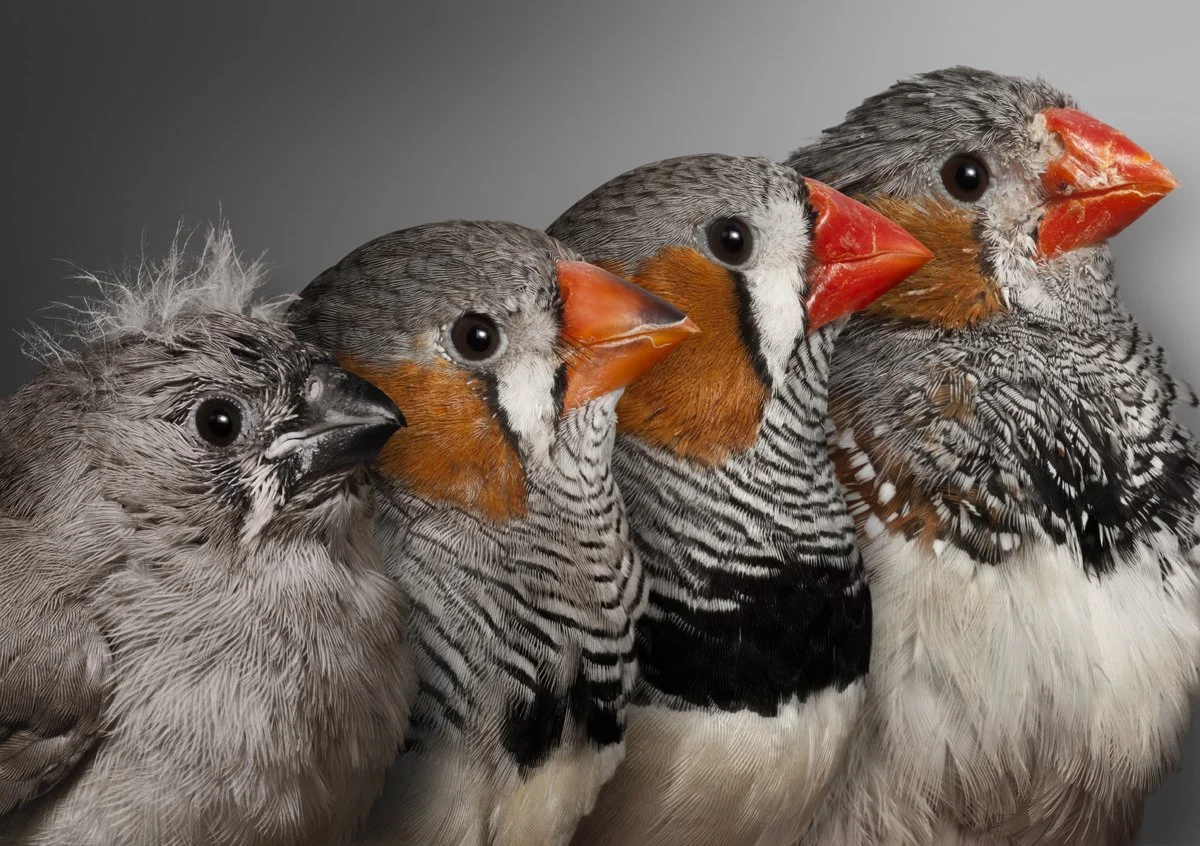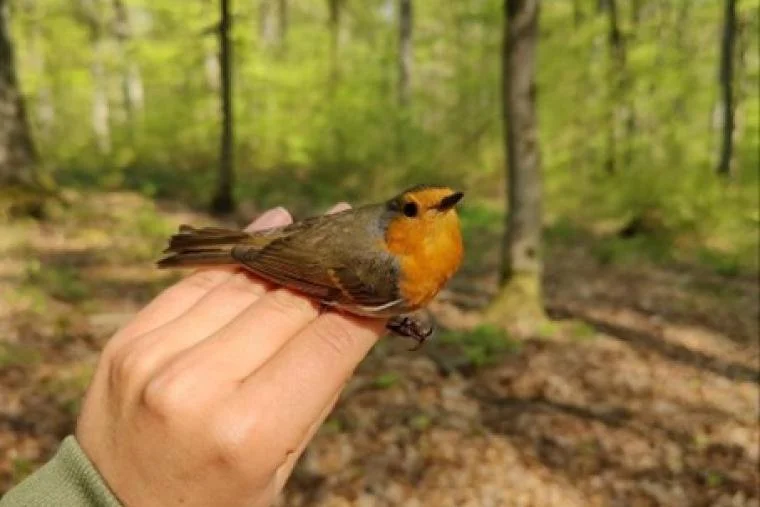
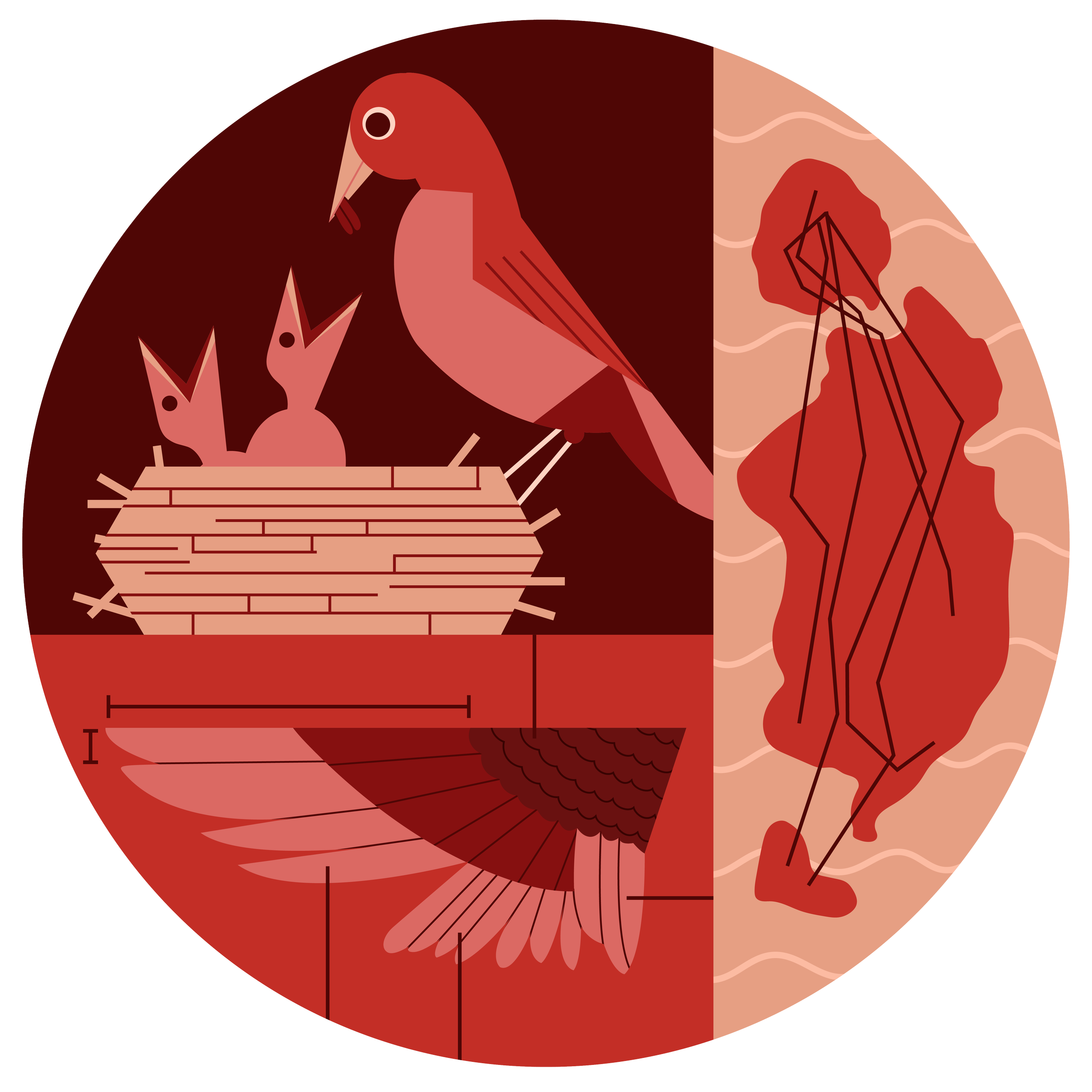
Balancing moult, migration, and breeding is not simply a matter of distance travelled. It is the outcome of a complex energetic compromise shaped by climate, life stage, and reproductive demands.
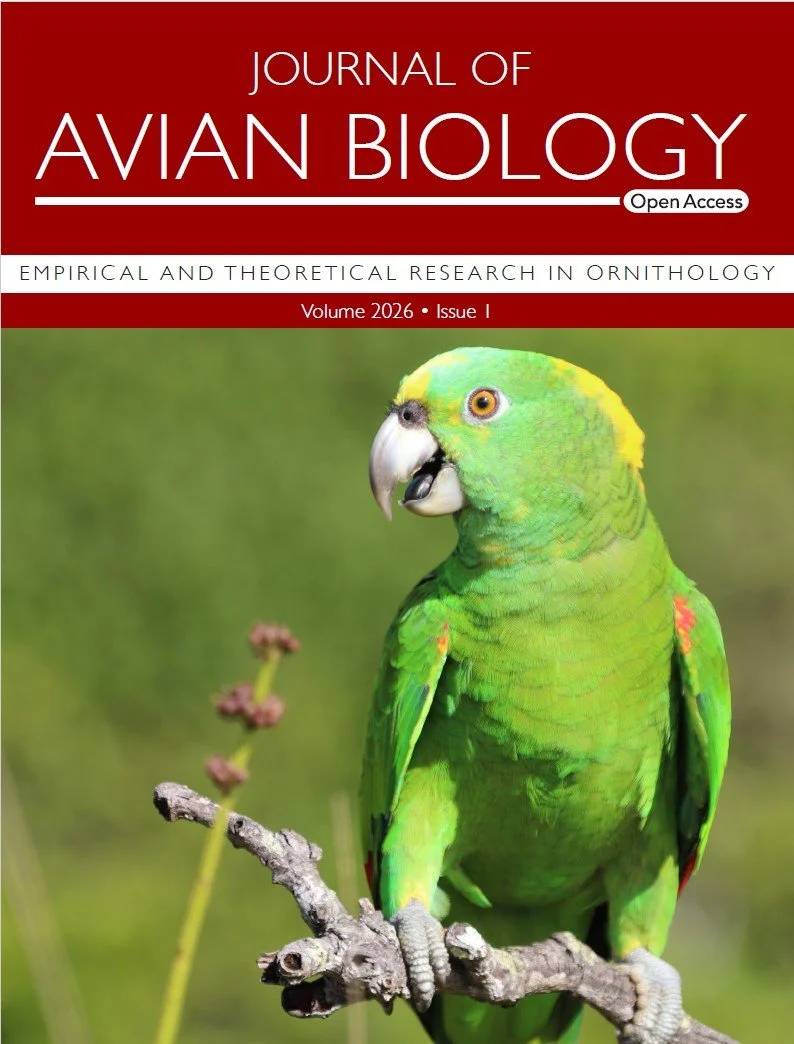
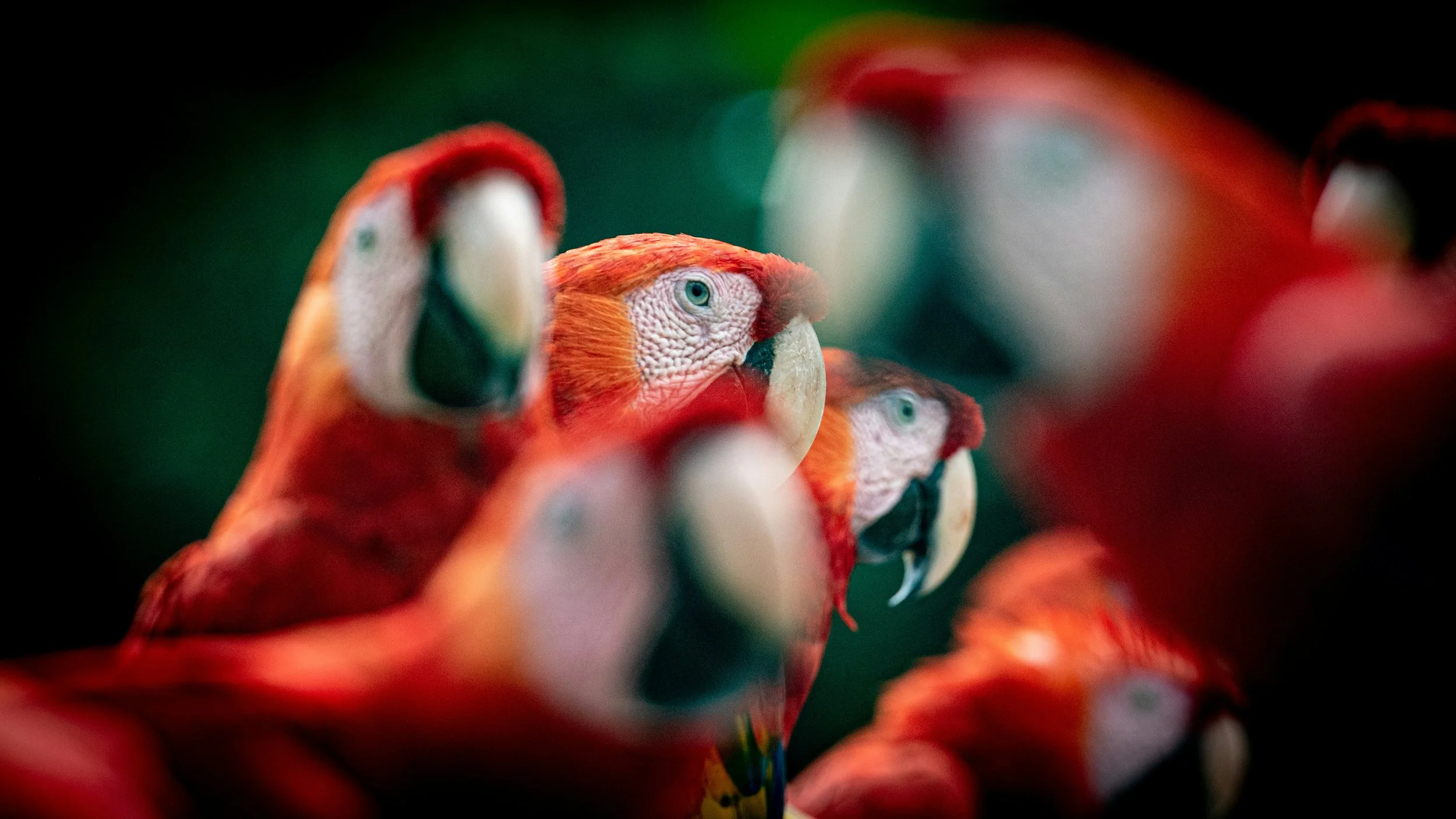
Our latest cover depicts a yellow-naped amazon, photographed by JD Gilardi, World Parrot Trust.
The Journal of Avian Biology is inviting contributions for the special issue “From chirps to insights: passive acoustic monitoring for applied ornithology.” Submission deadline: 30 May 2026.
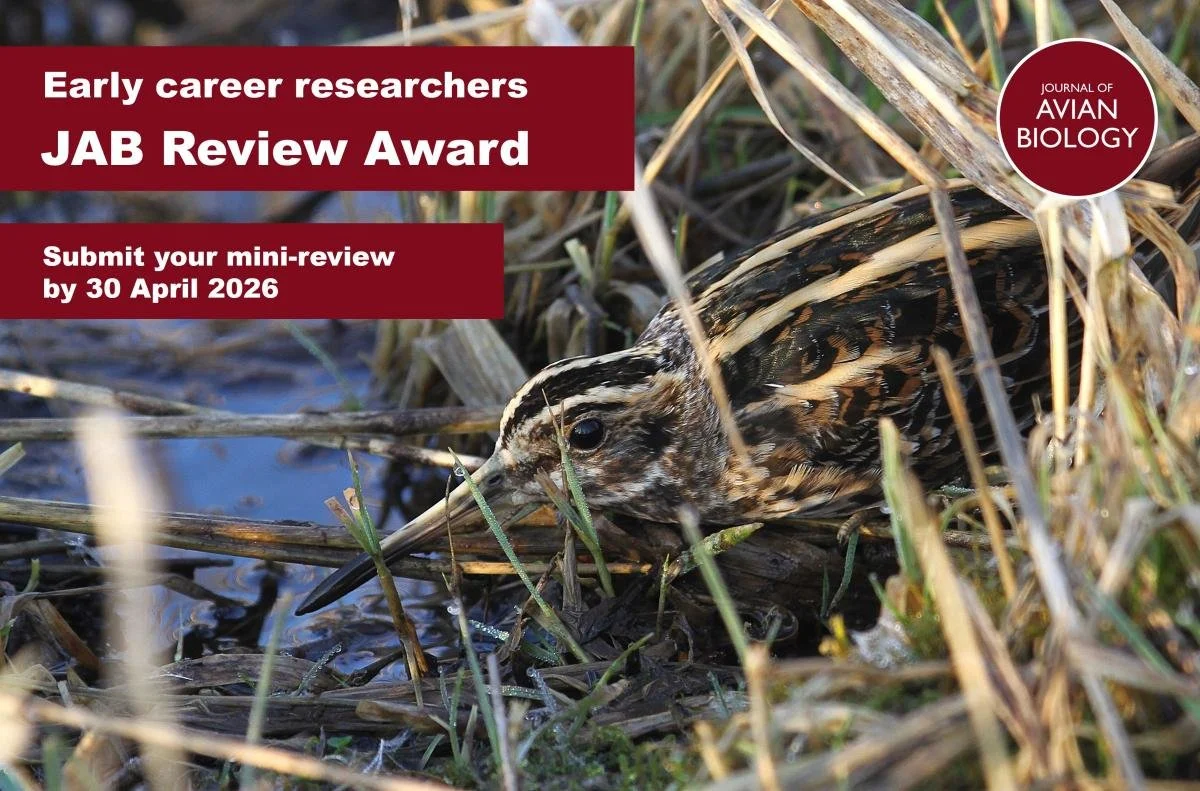
We are happy to announce the third open competition for the JAB Review Award, given to an early career research scientist with an exceptional mini-review manuscript. Submission deadline 30 April 2026.
The Journal of Avian Biology is inviting contributions for the special issue “Avian senescence: patterns, mechanisms and new perspectives.” Submission deadline 30 June 2026.
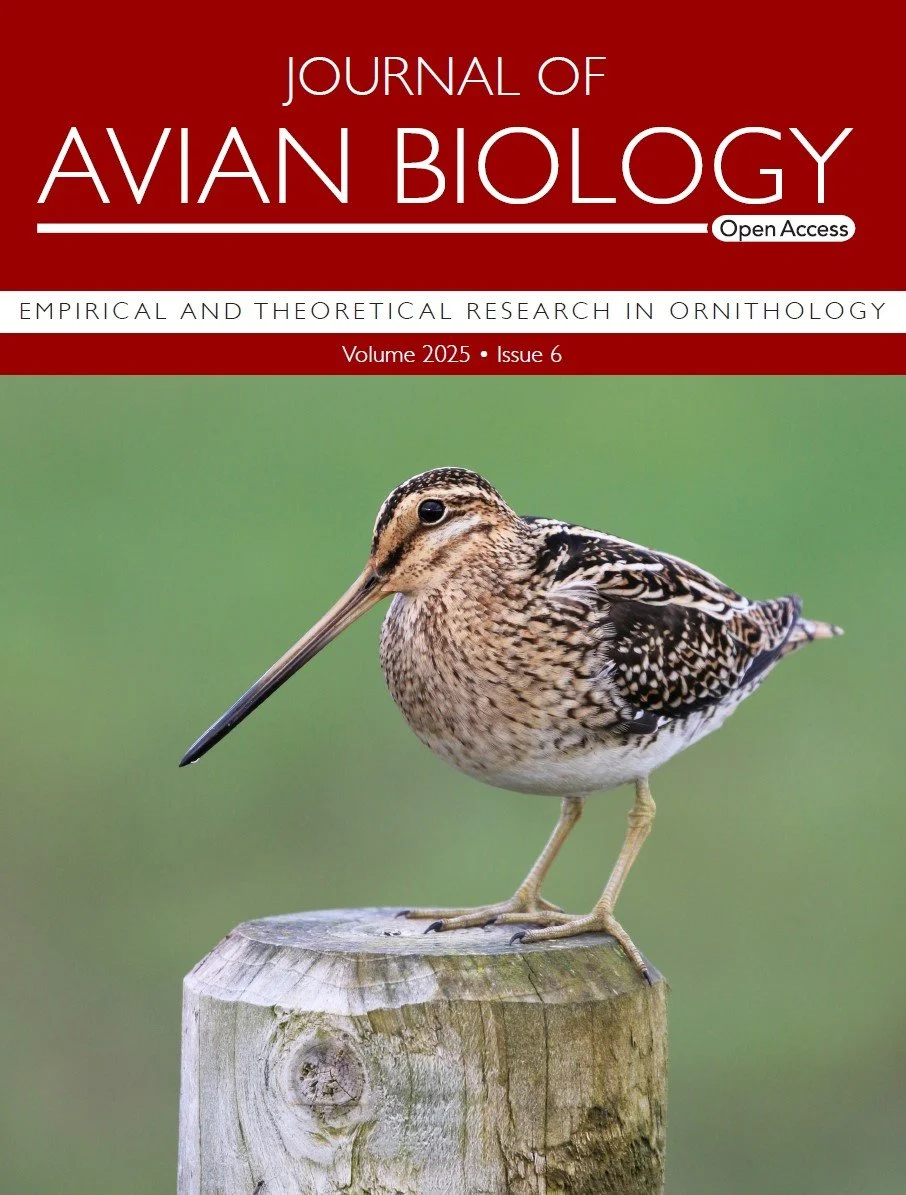
Our latest cover depicts a common snipe, photographed by Tómas G. Gunnarsson.
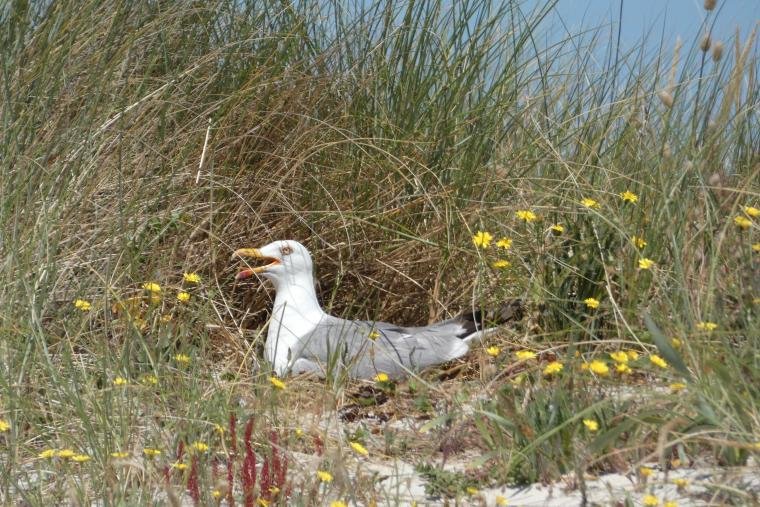
The yellow-legged gull (Larus michahellis) is often considered an over-abundant pest species, stemming from a belief that is not entirely correct.
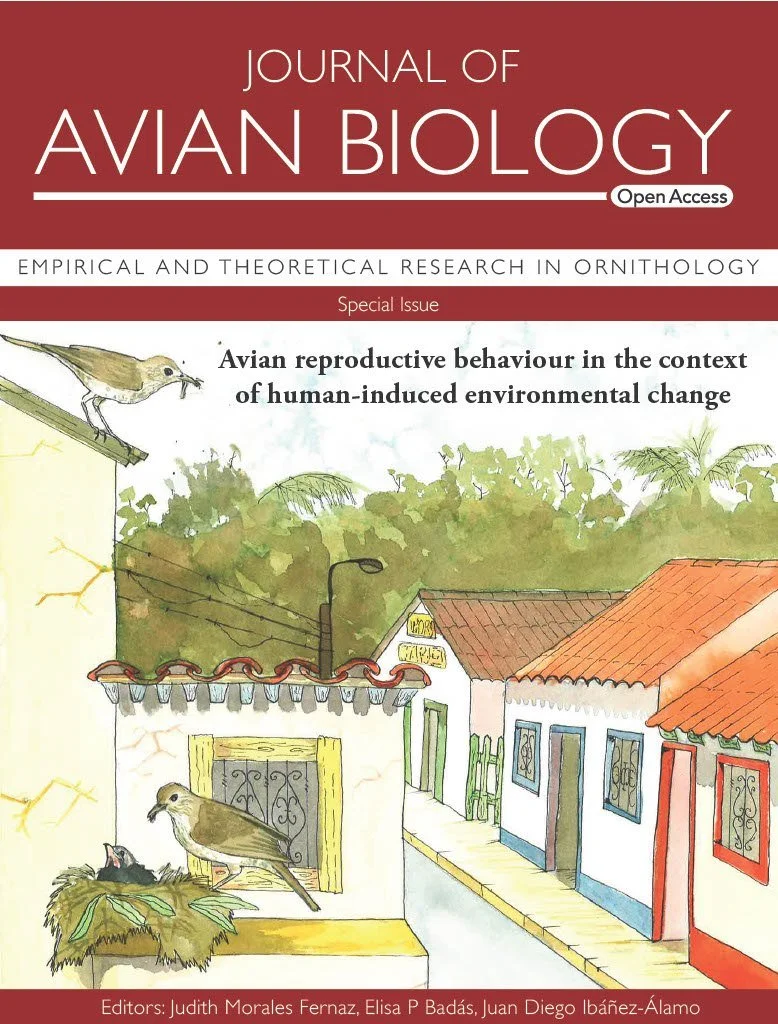
What’s it like to edit a special issue for JAB? Hear it from the guest editors of “Avian reproductive behaviours in the context of human-induced environmental change.”
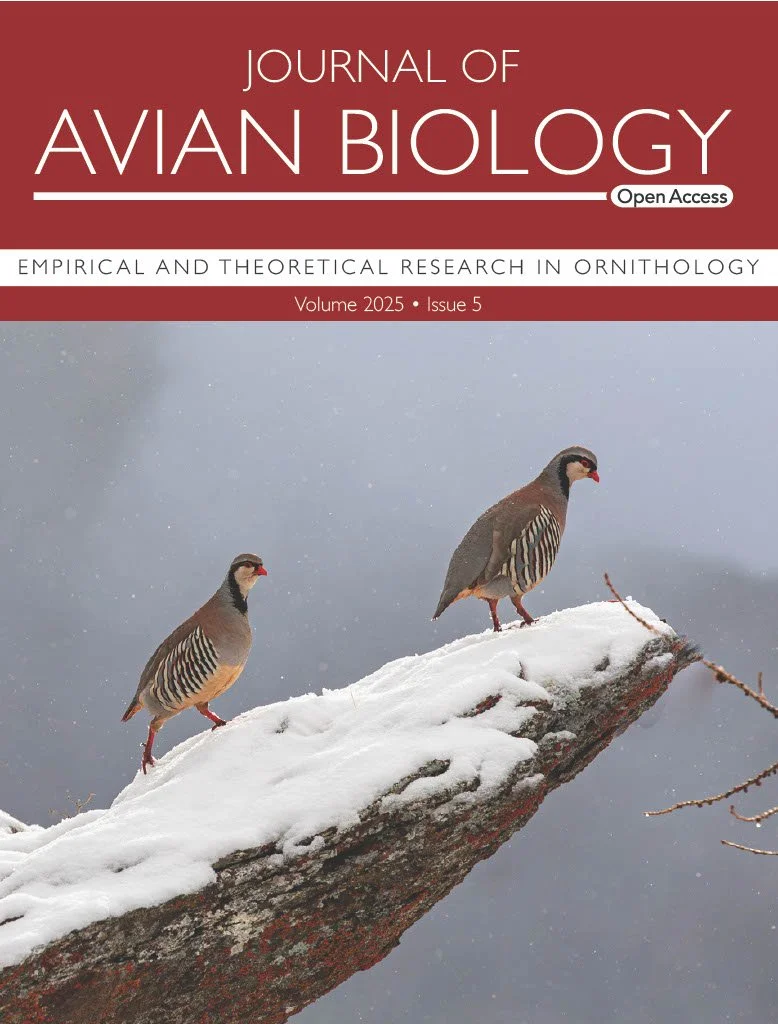
September-October cover depicting a rock partridge pair, featuring the article 'Incubation behaviour in a double-nesting alpine bird Alectoris graeca saxatilis: similar nest attendance by males and females' by Bernard-Laurent et al. Photo credit: Jean Guillet.
Parental care is a balancing act — parents must protect their young while minimizing risks to themselves, to ensure current, but also future reproductive success.
Advances in GPS and biologging technology have greatly enhanced our understanding of wildlife ecology, providing valuable data on movement, habitat use, behaviour, and biological rhythms.
The climate is warming, and many bird species are keeping up by altering when they migrate, breed, and molt, that is, by altering their phenology. To make accurate predictions about future responses to climate warming, knowledge of the mechanisms regulating timing is needed.
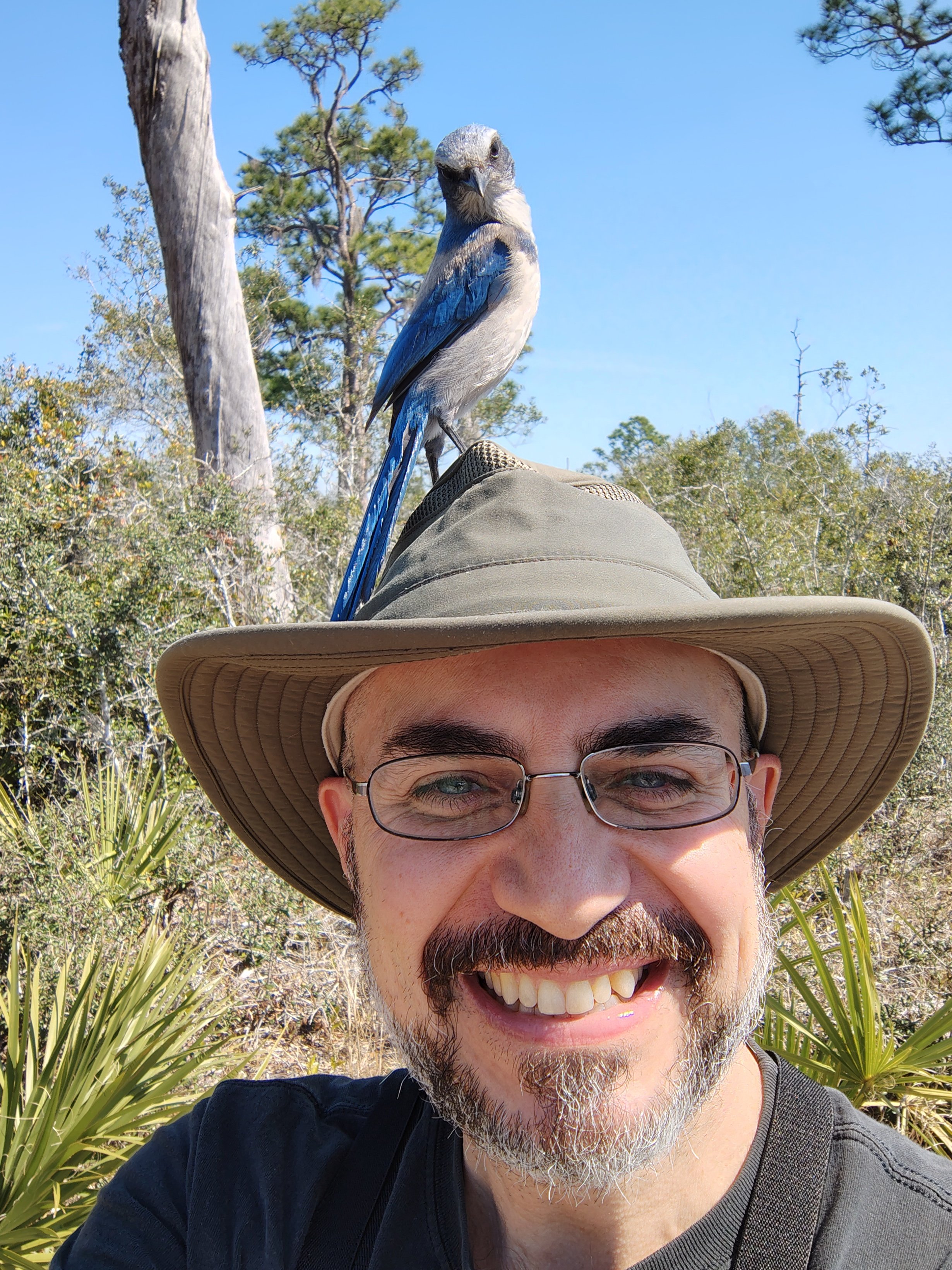
Paul is a research associate at the Swiss Ornithological Institute in Sempach, Switzerland. Read more about his research and interests in this interview.
While tree swallows have been the focal species in hundreds of studies, little is known about their high elevation populations. Simons et al. addressed this gap by researching a breeding population of swallows at Colorado State University’s Mountain Campus.
Before we can assess the impact of environmental factors on bird communities, it is crucial to first understand natural variation in physiological indicators.
Journal of Avian Biology is a journal of the Nordic Society Oikos, published in cooperation with Wiley. The journal is available at Wiley Online Library. Back issues are at JSTOR.