
Cover | How complex are parrot duets? Evidence for large repertoires and syntactic structure in a wild species
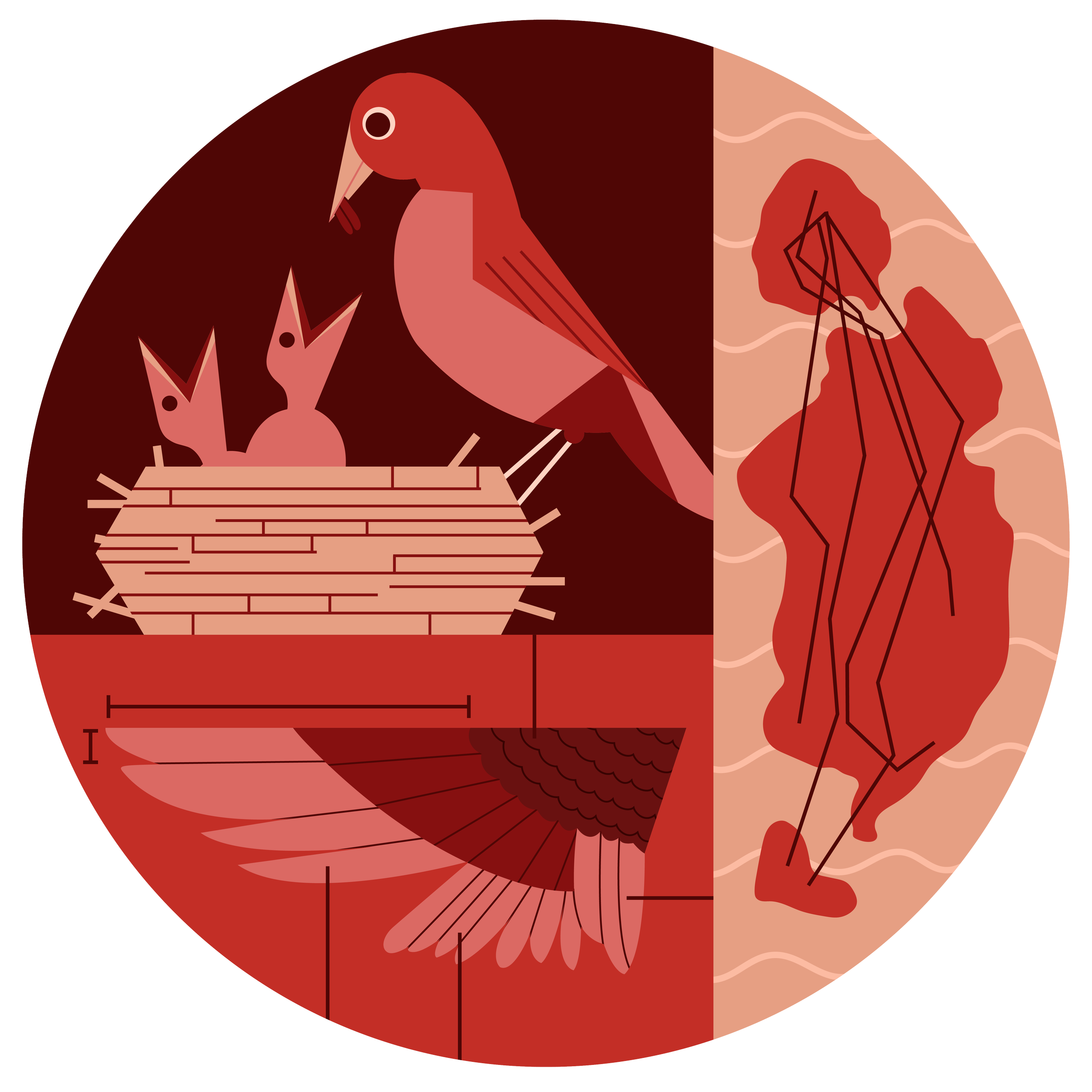
2026 Issue 1 Cover
Photo by JD Gilardi, World Parrot Trust
Download the high-resolution image
Our 2026 issue 1 cover depicts a yellow-naped amazon.
Read the open access paper in Journal of Avian Biology, by Dahlin et al. (2026): Decoding parrot duets: complex communication in yellow-naped amazons.
Abstract:
Parrots represent an excellent model in which to study complex vocal communication because they meet the prerequisites of the social complexity hypothesis and, like humans, have lifelong vocal learning. Despite that, the difficulty in acquiring good field data on wild parrot vocalizations has limited such research.
Here, we examine the warble duets of the yellow-naped amazon, a critically endangered species, which are used by mated pairs when defending territories.
We found that these duets are marked by a large lexicon of 36 call types, with additional variants. The calls assorted non-randomly within the duets and are organized by syntactic rules. In addition, 31% of the call types are sex-biased (used 75–99% of the time by one sex), and another 25% of calls are sex-specific (100% of calls given exclusively by one sex). Overall, the duets were marked by great variability; despite being structured by syntactic rules, we observed very little overt repetition in entire duets. This research provides important evidence that large repertoires and complex vocal communication are an important part of the natural communication systems of wild parrots.
Journal of Avian Biology—who are we?
JOURNAL of AVIAN BIOLOGY: Empirical and Theoretical Research in Ornithology is an Open Access journal owned by the Nordic Society Oikos.
We are a journal for innovative, hypothesis-driven research on the biology of birds, with a particular emphasis on ecological, evolutionary and behavioural studies. We welcome submissions that study avian biology across all levels of ecological organization, from organisms and populations to communities and ecosystems. The journal also welcomes studies that report negative results, provided they are conducted rigorously and are scientifically informative. As a Nordic Society Oikos journal, we advocate research that is fair, openly accessible and reproducible.
Thinking about publishing with us?
Journal of Avian Biology offers a Review Award for early-career researchers.
We value ethical standards in science (EDI, Open Access, waivers, accessible data and code, CRediT)
Check out JAB’s journal metrics and see our Author Guidelines
Our journals, our society—join us!
The Nordic Society Oikos engages the global scientific community through five international journals…

…and supports the national ecological societies of the five Nordic countries. Anyone worldwide can join the Nordic Society Oikos.
NSO is a home for ecologists, a nexus for knowledge, and a guiding light for ecology worldwide. We are an active network of ecologists in the Nordic region and around the globe.
Why join NSO? Membership benefits include:
Connections across a global community of ecologists and five national societies
NSO newsletters with member-only updates about Nordic ecology and society activities
Ongoing opportunities for promotion on NSO’s digital platforms and social media channels
Discounted registration for NSO’s biennial conference
Eligibility to apply for NSO Grants
Each member receives additional benefits from one of our five national societies:
Danish Oikos Society
Oikos Finland
Icelandic Ecological Society
Norwegian Ecological Society
Swedish Oikos Society
When you join NSO, you also become a member of one of our national societies. Which one? That’s up to you! Each national society provides its own benefits, including discounts to national conferences. Learn more about us at nordicsocietyoikos.org.