
Cover | Pollen limitation in Veratrum grandiflorum
January 2026 Cover
Photograph by Xia Jiang
Download the high-resolution image
The cover photo was taken during the field experiment and shows the white flowers in the of blooming Veratrum grandiflorum in Balang Mountain, Wolong National Nature Reserve, Aba Prefecture, Sichuan Province, China.
Read the open access paper in Nordic Journal of Botany, by Jiang et al. (2025): Variation in pollen limitation among reproductive modules points to likely resource reallocation in the alpine plant Veratrum grandiflorum.
Abstract:
Pollen limitation, a decrease in seed production due to insufficient pollen receipt, may influence plant demography and the evolution of sexual systems. Its empirical estimation of pollen supplementation of some of the flowers on an individual is well known to be prone to overestimation due to potential resource reallocation among the individual's resource pools, from unpollinated flowers and inflorescences. Despite this, studies that evaluate the effect of resource reallocation simultaneously across different modular levels of an individual remain rare, especially in alpine plants. Here, we estimated pollen limitation at three modular levels (i.e., flower, raceme, and whole plant) in the perennial alpine herb Veratrum grandiflorum (Maxim. Ex Baker) Loes in the eastern Himalayan Hengduan Mountains.
We used fruit set and seed production as two proxies for female reproductive success. Based on seed production, we found that pollen limitation differed significantly among modular levels, with the highest and lowest values being at the flower and whole-plant levels, respectively. In contrast, fruit set was relatively insensitive to pollen supplementation, so estimates of pollen limitation were low and did not differ among modular levels. These results point to resource reallocation for seed production among modules within individuals and highlight the importance of multi-modular and multi-metric approaches for accurately assessing pollen limitation.
Nordic Journal of Botany—who are we?
NORDIC JOURNAL OF BOTANY: An International Journal for Botany and Mycology is an Open Access journal owned by the Nordic Society Oikos.
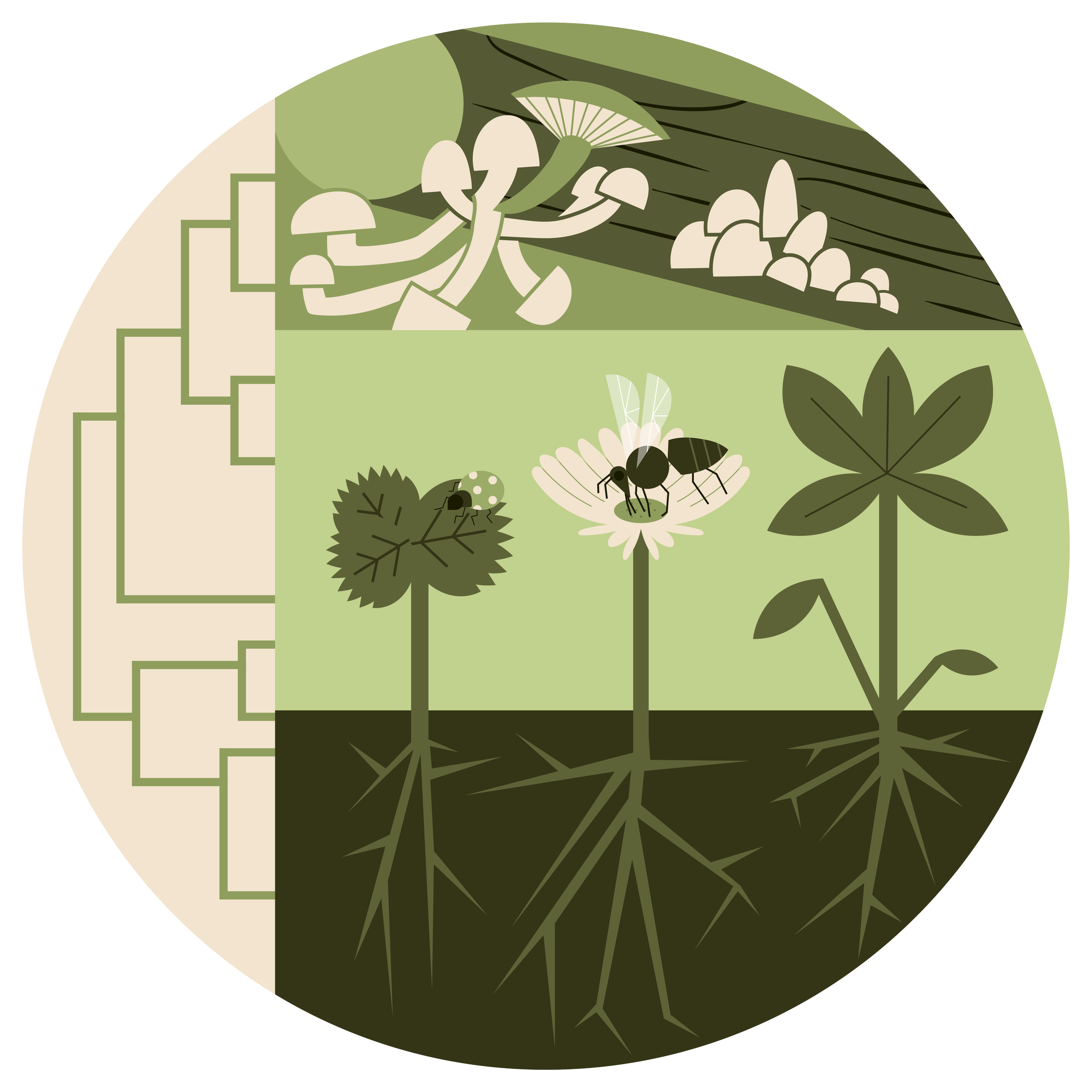
We are an international journal publishing research on all aspects of plant and fungal ecology, evolution, conservation, biogeography, and taxonomy. We welcome cross-disciplinary research such as plant-pollinator interactions, human-plant relations, and plant-ecosystem connections. Our scope includes algae and bryophytes and all groups of fungi. We explore trending topics in plant sciences and publish research from both established experts and early-career researchers.
Thinking about publishing with us?
NJB publishes Research Articles, Short Communications, and Review Papers
We value ethical standards in science (EDI, Open Access, waivers, accessible data and code, CRediT)
Check out NJB’s journal metrics and see our Author Guidelines
Our journals, our society—join us!
The Nordic Society Oikos engages the global scientific community through five international journals…
…and supports the national ecological societies of the five Nordic countries. Anyone worldwide can join the Nordic Society Oikos.
NSO is a home for ecologists, a nexus for knowledge, and a guiding light for ecology worldwide. We are an active network of ecologists in the Nordic region and around the globe.
Why join NSO? Membership benefits include:
Connections across a global community of ecologists and five national societies
NSO newsletters with member-only updates about Nordic ecology and society activities
Ongoing opportunities for promotion on NSO’s digital platforms and social media channels
Discounted registration for NSO’s biennial conference
Eligibility to apply for NSO Grants
Each member receives additional benefits from one of our five national societies:
Danish Oikos Society
Oikos Finland
Icelandic Ecological Society
Norwegian Ecological Society
Swedish Oikos Society
When you join NSO, you also become a member of one of our national societies. Which one? That’s up to you! Each national society provides its own benefits, including discounts to national conferences. Learn more about us at nordicsocietyoikos.org.