

News from Our Journals
Browse News by Journal
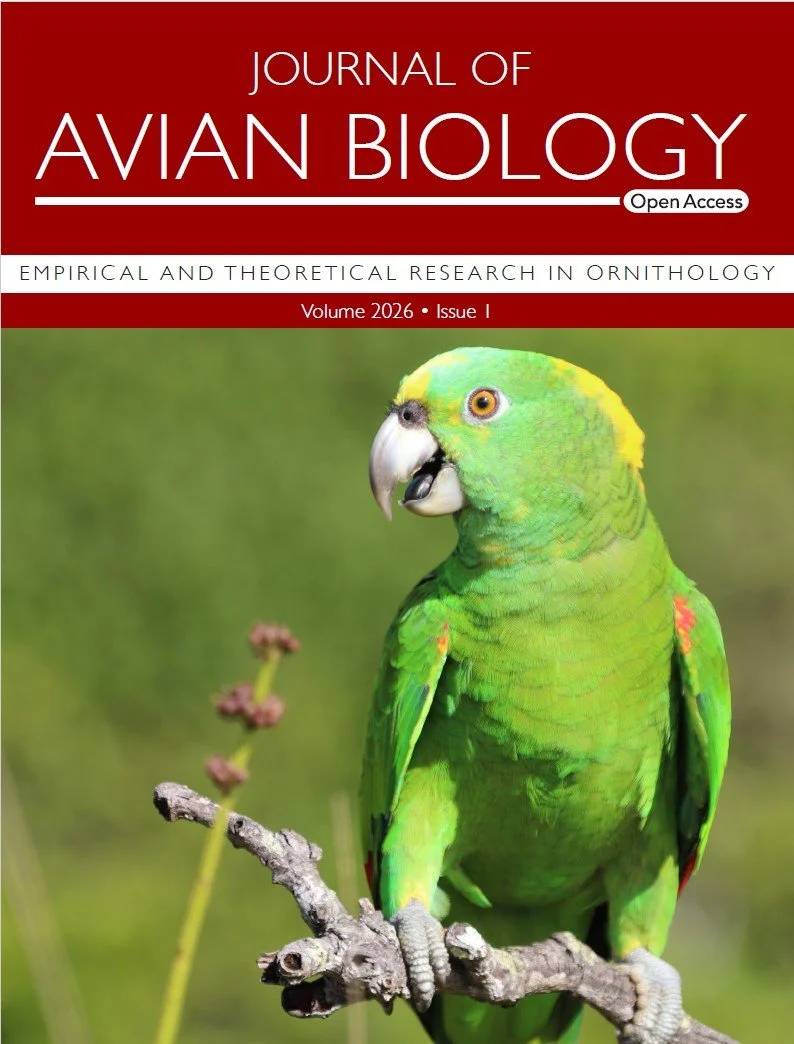
Cover | How complex are parrot duets? Evidence for large repertoires and syntactic structure in a wild species
Our latest cover depicts a yellow-naped amazon, photographed by JD Gilardi, World Parrot Trust.
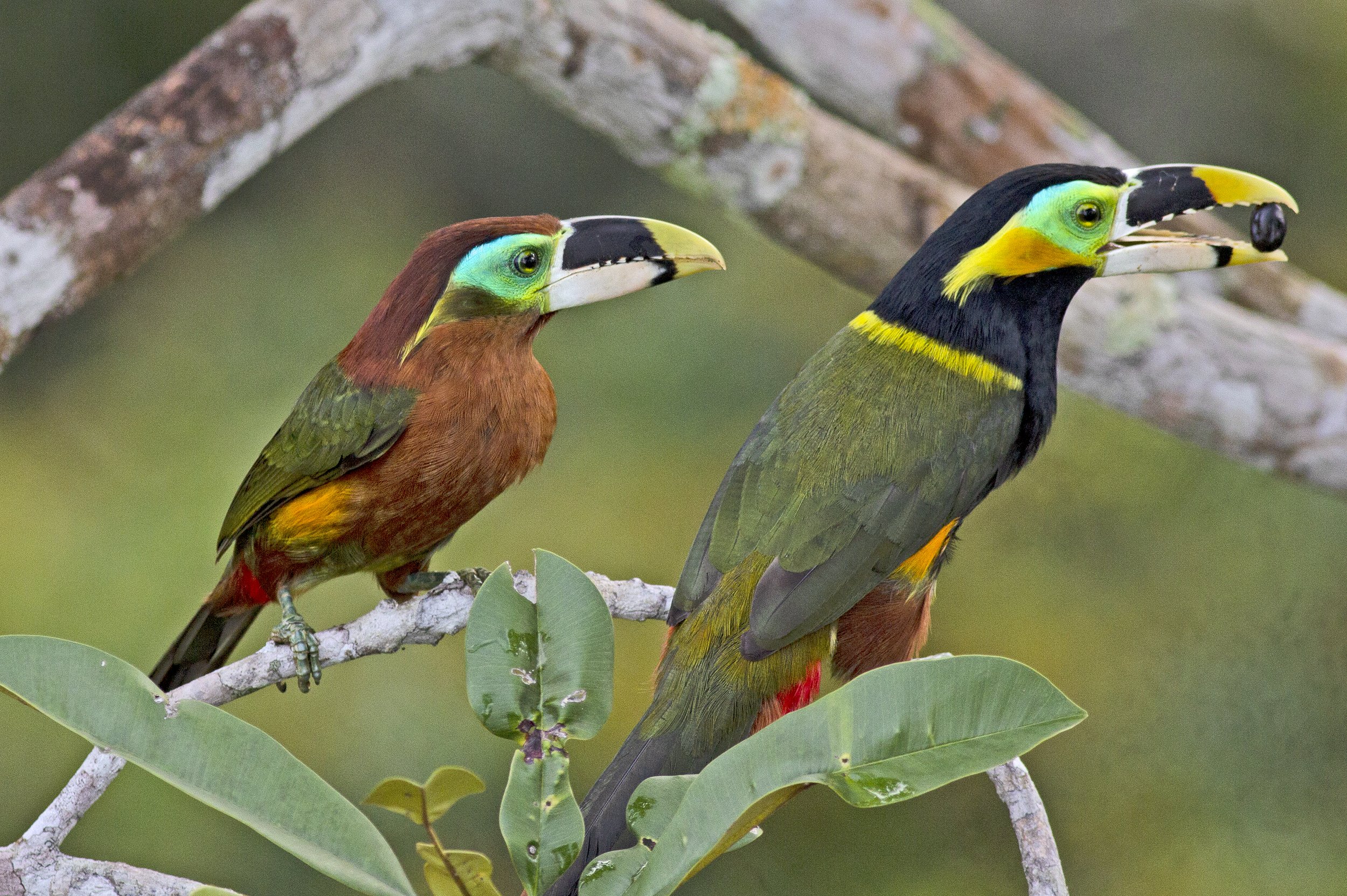
Editor's Choice 2025 | Conceptual and Empirical Advances in Ecology
Editor's choices are papers that engage ecologists across general ecology while advancing understanding of ecological mechanisms, processes, and patterns — precisely Oikos goals.

View from the editor's desk | Where is double-blind review headed in the age of preprints?
Double-blind review may no longer be a shield, but it can still be a compass, according to Oikos Editor-in-Chief Pedro Peres-Neto.

New Editor | Arnost Sizling, subject editor for Ecography
Arnost Sizling is a macroecologist who explores the drivers of species spatial patterns, with interests including how biodiversity patterns shift across the Holocene and along continental-scale gradients.
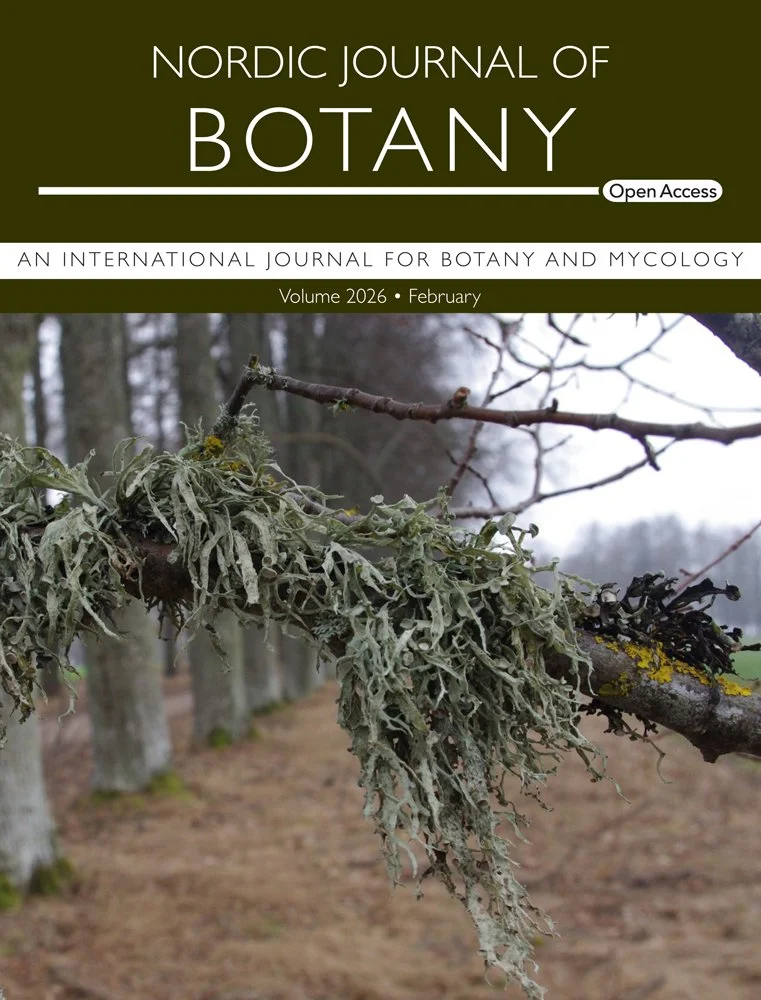
Cover | Taxonomic investigation of Abrothallus
Phylogenetic analyses reveal new Abrothallus species specialized on Ramalina lichens, highlighting hidden diversity and host specificity.
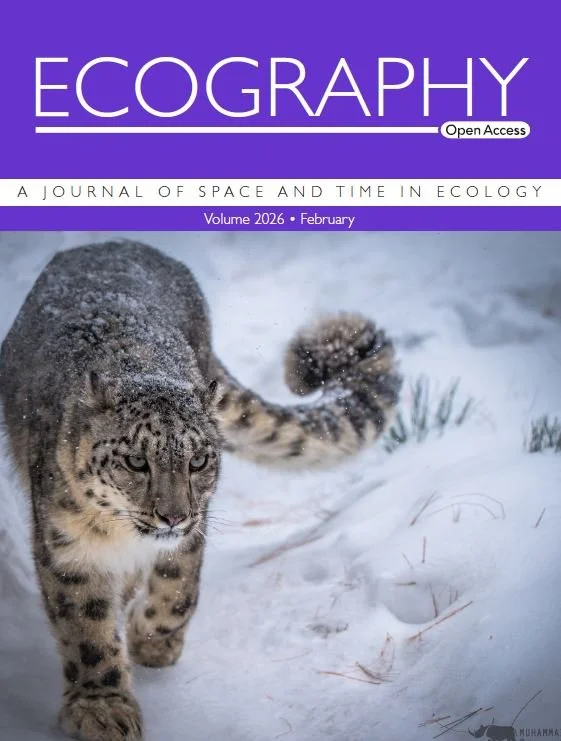
Cover | First robust population assessment of snow leopards in Pakistan
This month’s cover photo by Muhammad Osama depicts Lovely, an orphan snow leopard cub rescued in 2013, who thrives under rehabilitation in Naltar Valley of northern Pakistan.
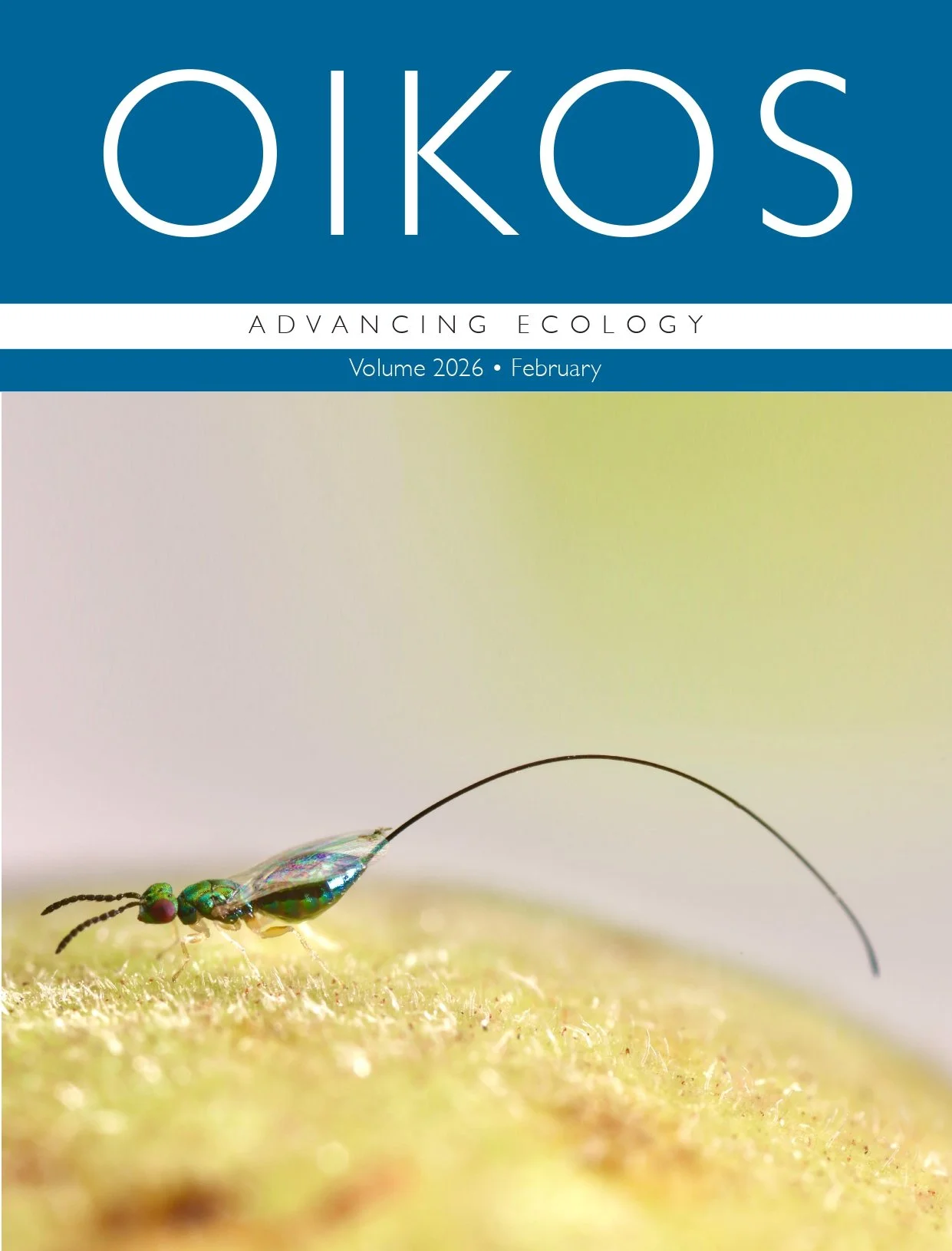
Cover | What Drives Diversity in Fig Wasp Communities
A study of fig wasps by shows that communities linked to Neotropical fig trees change dramatically across space, with high species turnover. Photo by Jean-Yves Rasplus.

New Editor | Jamie Kass, editor for Software Notes
Jamie Kass runs the Macroecology Lab at Tohoku University in Japan, investigating how biodiversity—from plankton to insects to vertebrates—is distributed across space and time.

New Editor | Dan Liang, subject editor for Ecography
Animal ecologist and conservation scientist Dan Liang studies diversity patterns in rapidly changing ecosystems, often involving long-distance migrants crossing national boundaries and elevational migrations in mountains.
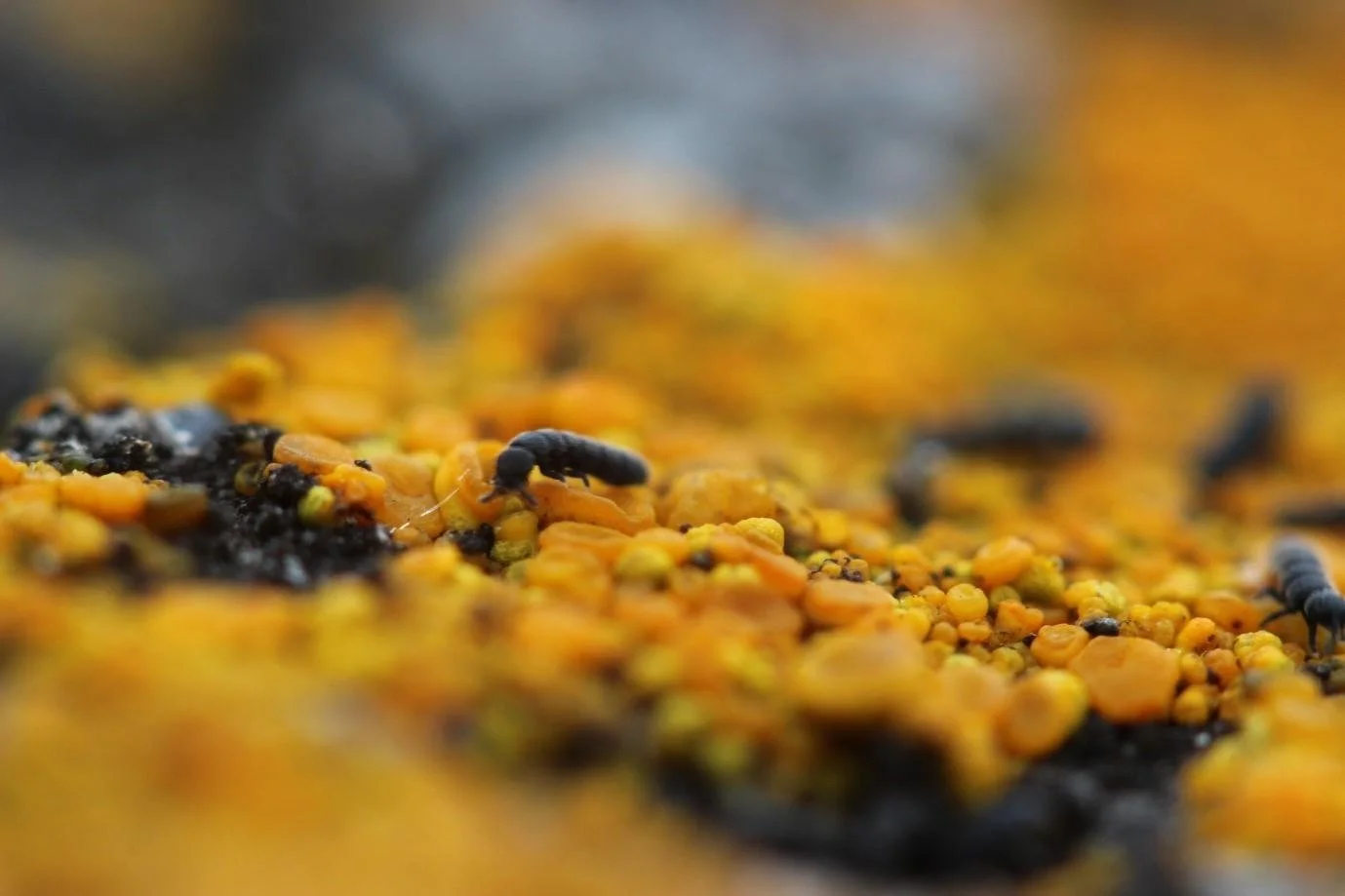
Study | The small hosting the small in Antarctica
In the tiny ice-free areas of Antarctica, carpets of mosses, lichens, and algae form miniature forests. These patches host Antarctica’s terrestrial animals: billions of mites and springtails.

New Editor | Babak Naimi, editor for Software Notes
We welcome Babak Naimi, a senior researcher at Utrecht University who focuses on understanding biodiversity change in response to ongoing global change and anthropogenic activities.

New Editor | Tyler Hallman, subject editor for Ecography
We welcome wildlife ecologist and conservation biologist Tyler Hallman, whose recent work includes exploring the wellbeing benefits that humans derive from avian soundscapes.
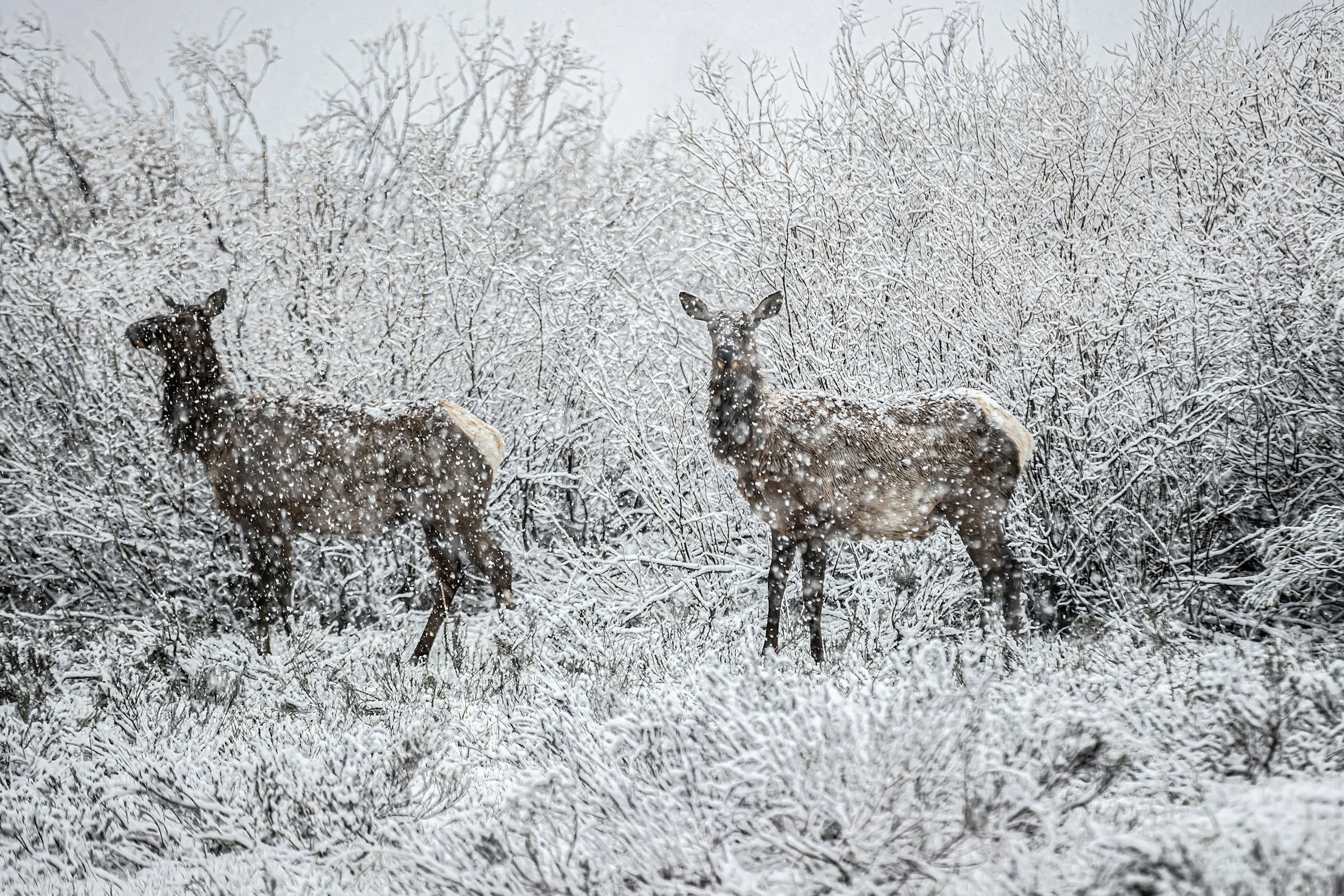
Editor’s Choice | Environmental predictability and mule deer movement
The editor’s choice for our January/February issue is the article by Stranden et al. (2025): “Differential effects of environmental predictability on ungulate movement behavior in disparate ecosystems.”

New Editor | Marco Túlio Pacheco Coelho, subject editor for Ecography
We welcome Marco Túlio Pacheco Coelho, whose research asks how broad patterns of biodiversity emerge across space, time, and different parts of the tree of life.

Award | Announcing the 2026 E4 Award competition
We are happy to announce an open competition for the Ecography Award for Excellence in Ecology and Evolution, given to an early career research scientist who submits an exceptional Review manuscript.
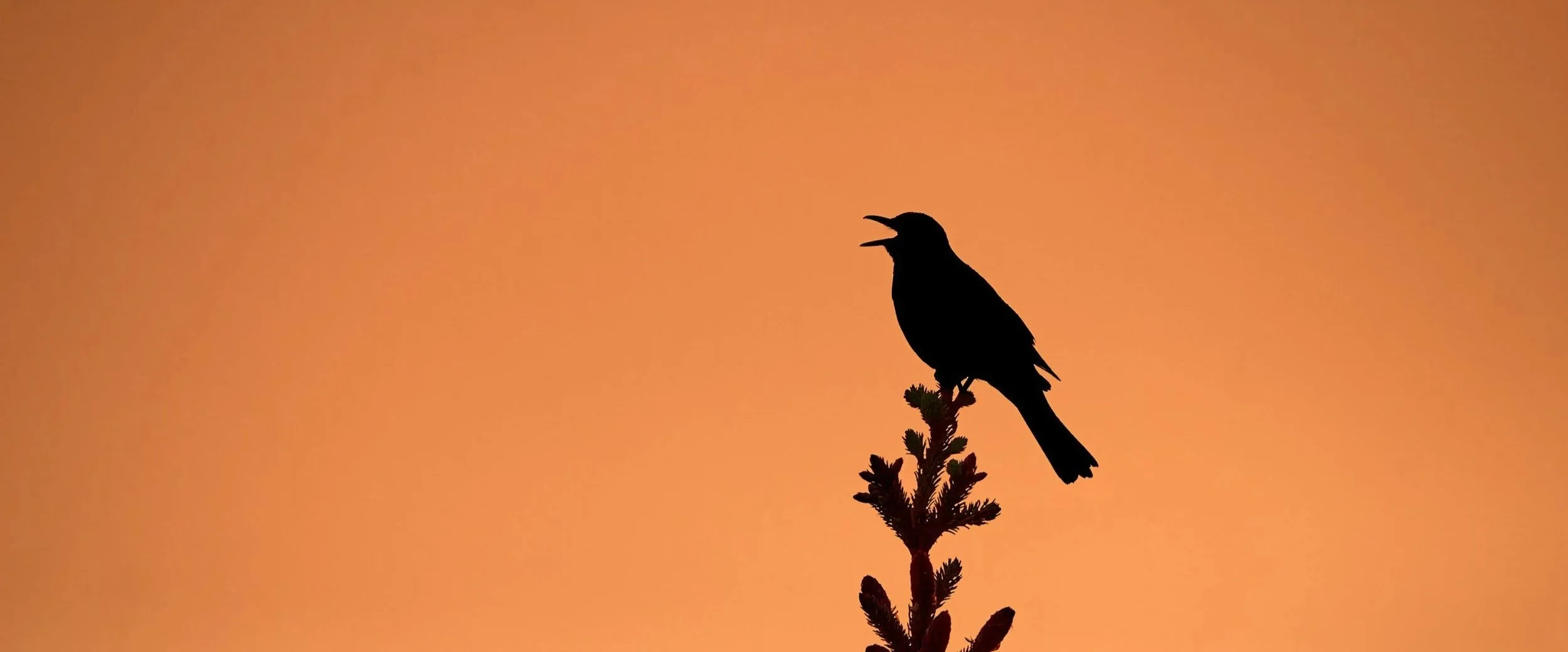
Call for Papers | Special issue “From chirps to insights”
The Journal of Avian Biology is inviting contributions for the special issue “From chirps to insights: passive acoustic monitoring for applied ornithology.” Submission deadline: 30 May 2026.
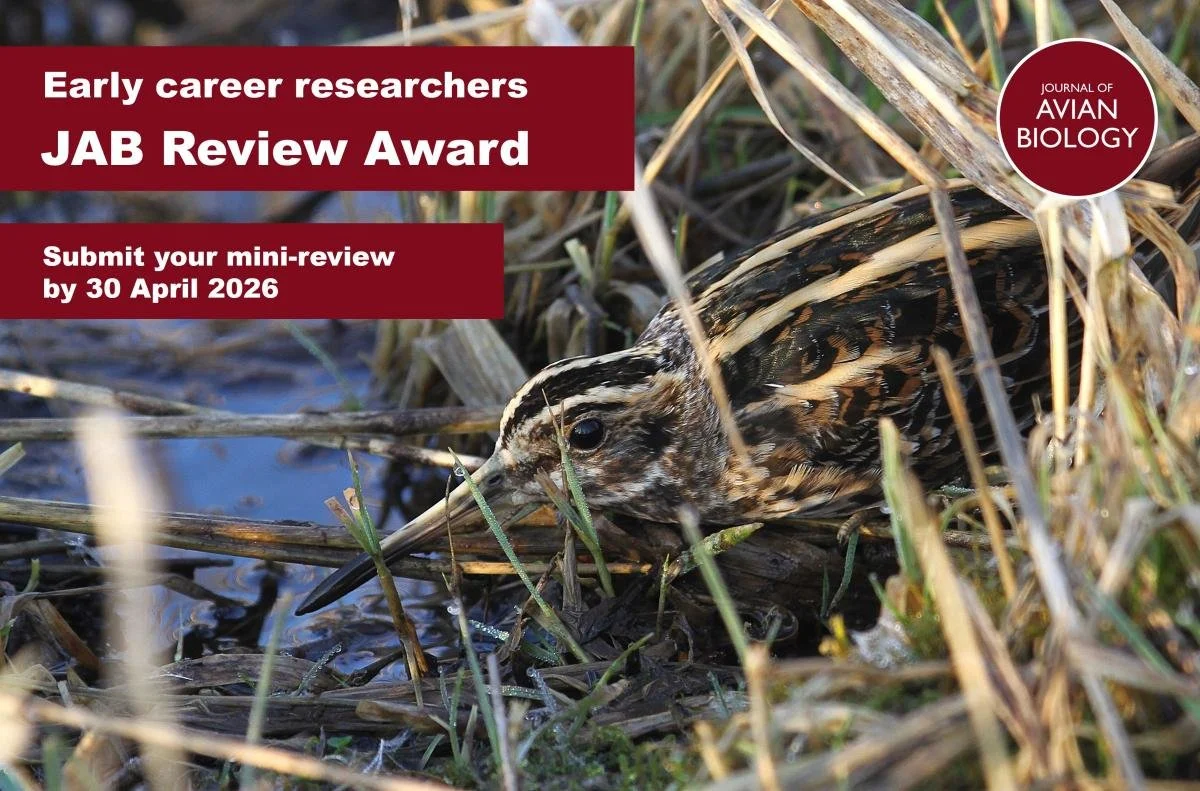
Award | Announcing the 2026 JAB Review Award competition
We are happy to announce the third open competition for the JAB Review Award, given to an early career research scientist with an exceptional mini-review manuscript. Submission deadline: 30 April 2026.
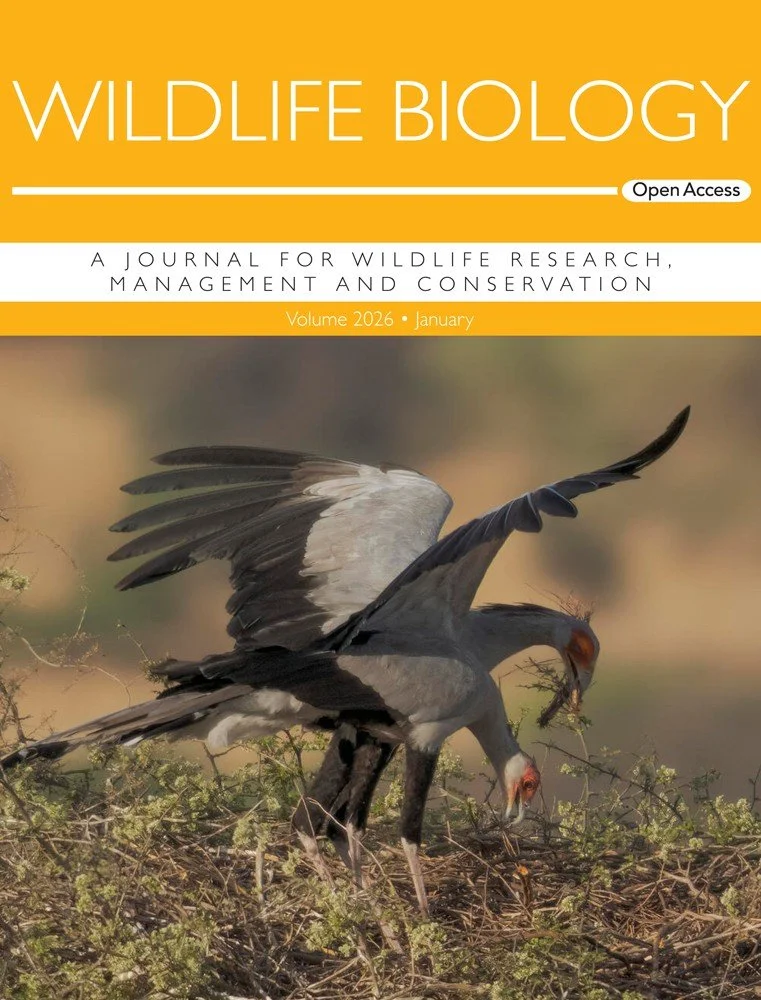
Cover | How does grassland fragmentation affect secretarybirds?
Habitat fragmentation and drought represent a growing threat to many bird species, particularly within grassy biomes, which are especially sensitive to global change.
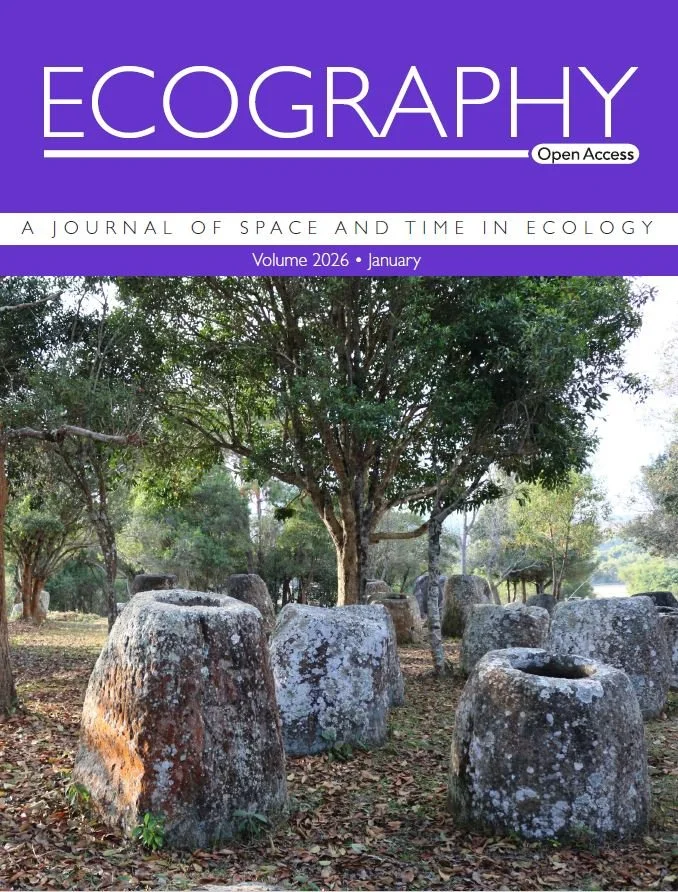
Cover | The world's oldest man-made biological experiment
This month’s cover features a group of ancient megalithic jars at the Plain of Jars in Laos, photographed by Khamla Inkhavilay.
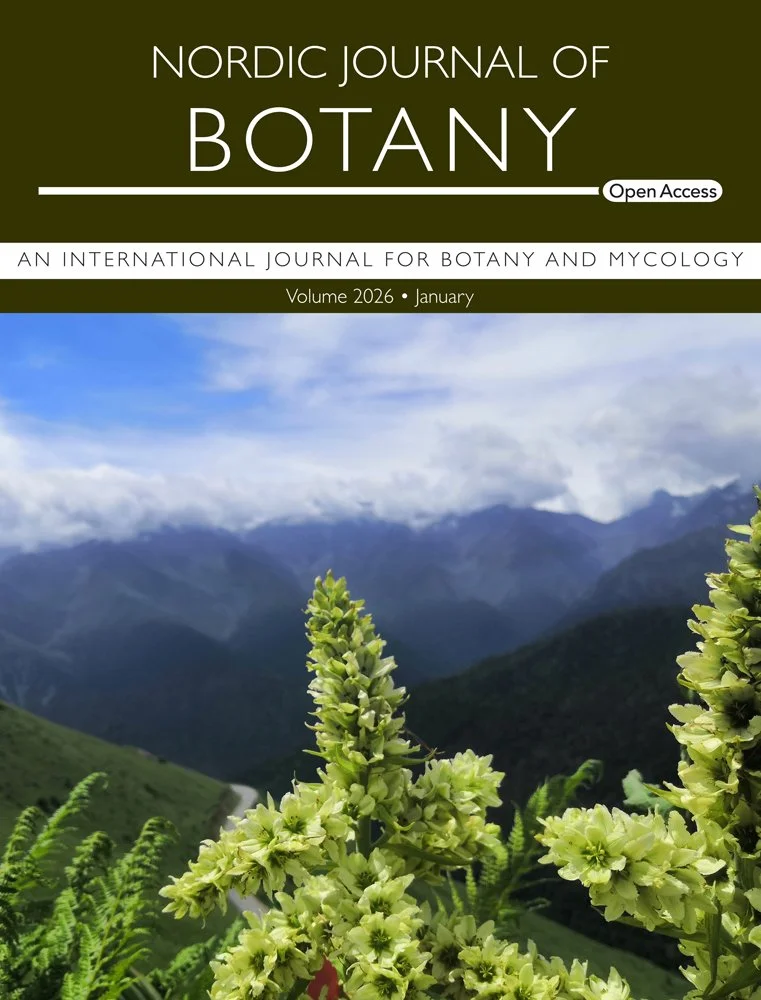
Cover | Pollen limitation in Veratrum grandiflorum
Pollen limitation in Veratrum grandiflorum differed significantly among flower, raceme, and whole plant level.