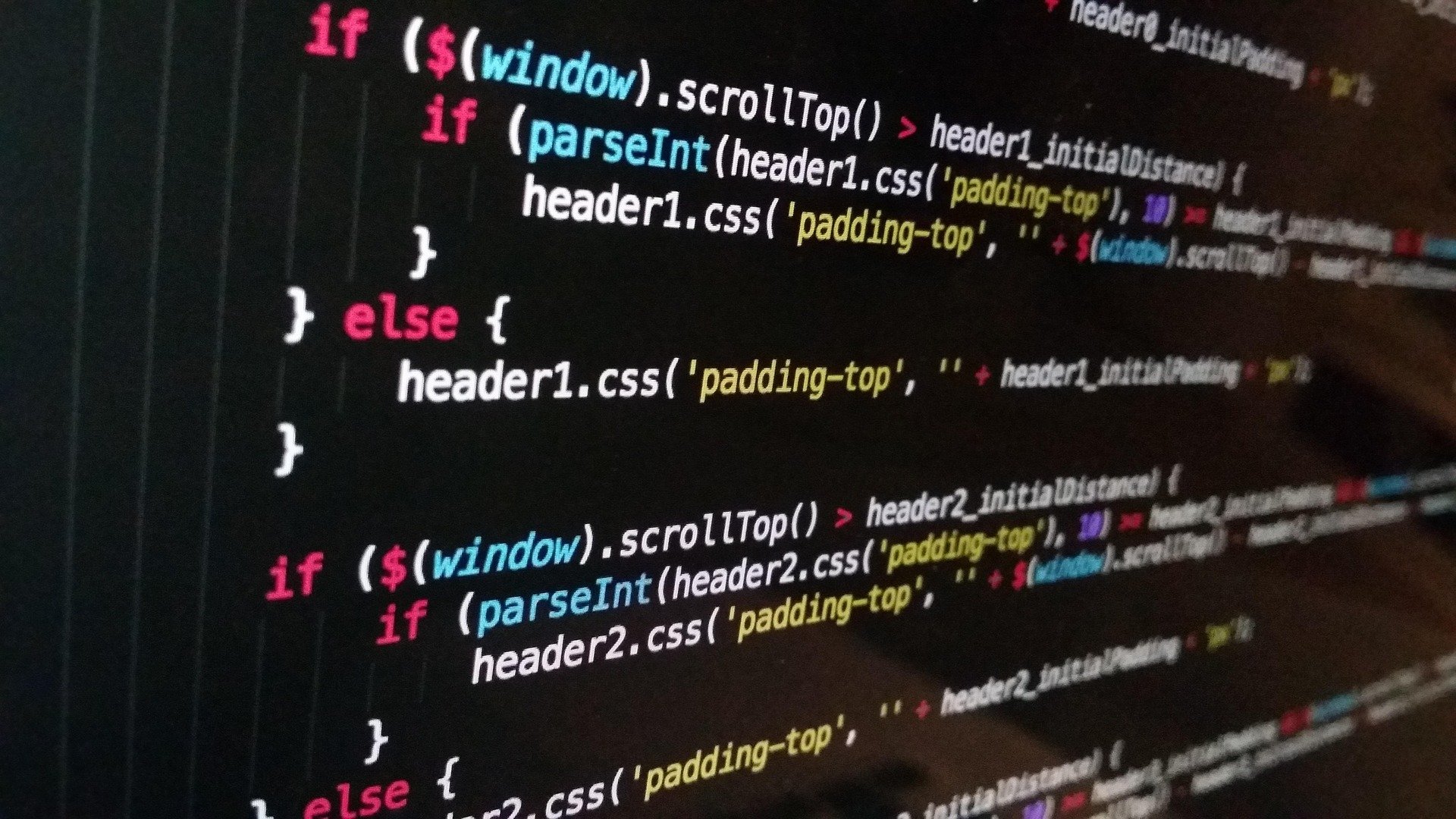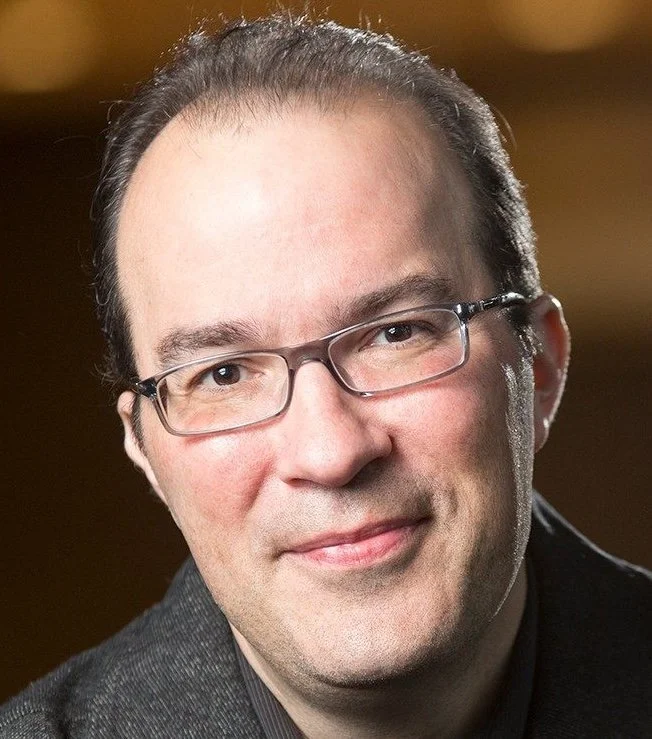
Citing software packages is essential, but treating them as the origin rather than the implementation of ideas risks obscuring the intellectual history of methods. Read more from Oikos Editor-in-Chief Pedro Peres-Neto.
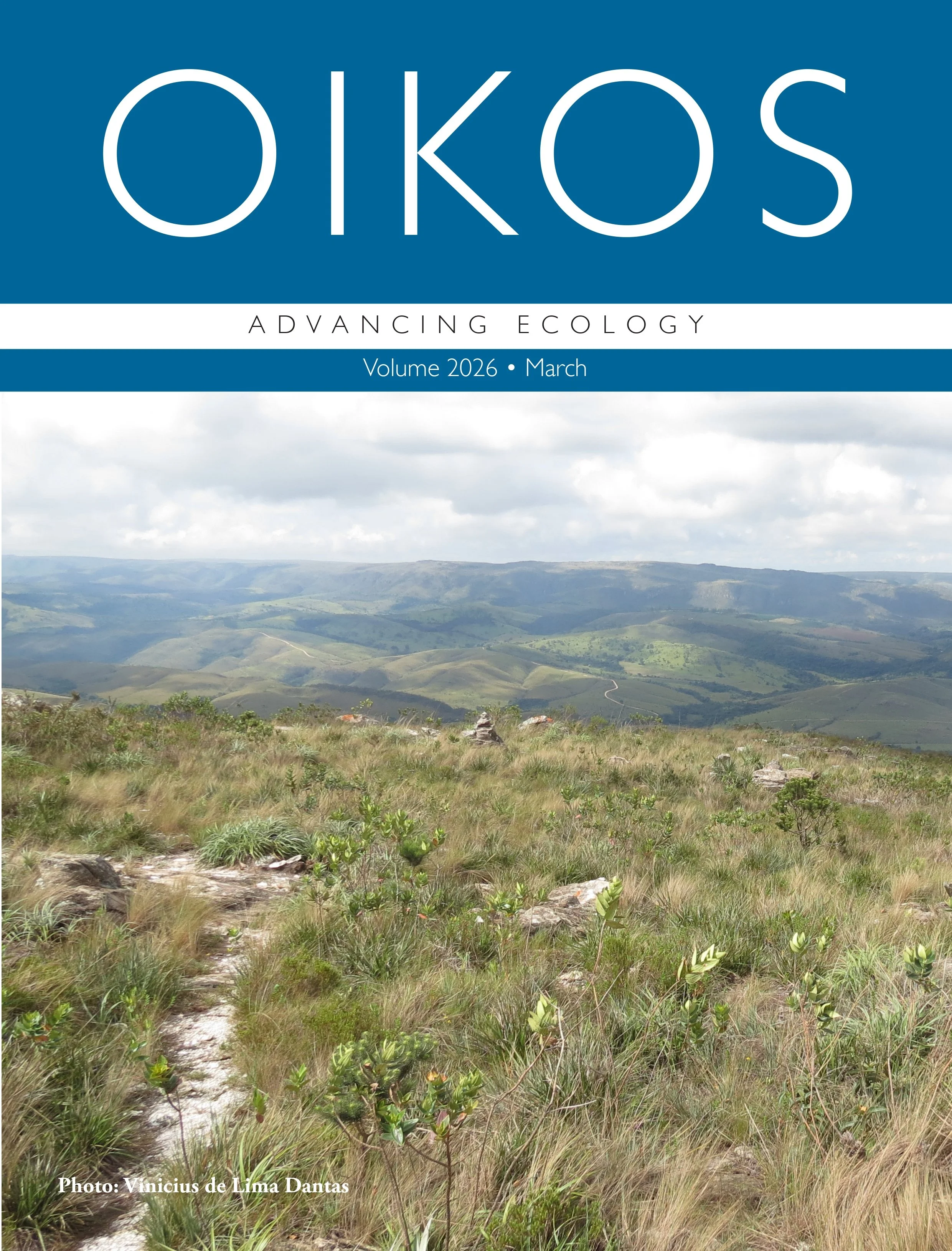
A study of Brazilian savannas shows that fuel traits—especially grass biomass—strongly shape fire behavior. Photo by Vinicius de Lima Dantas.
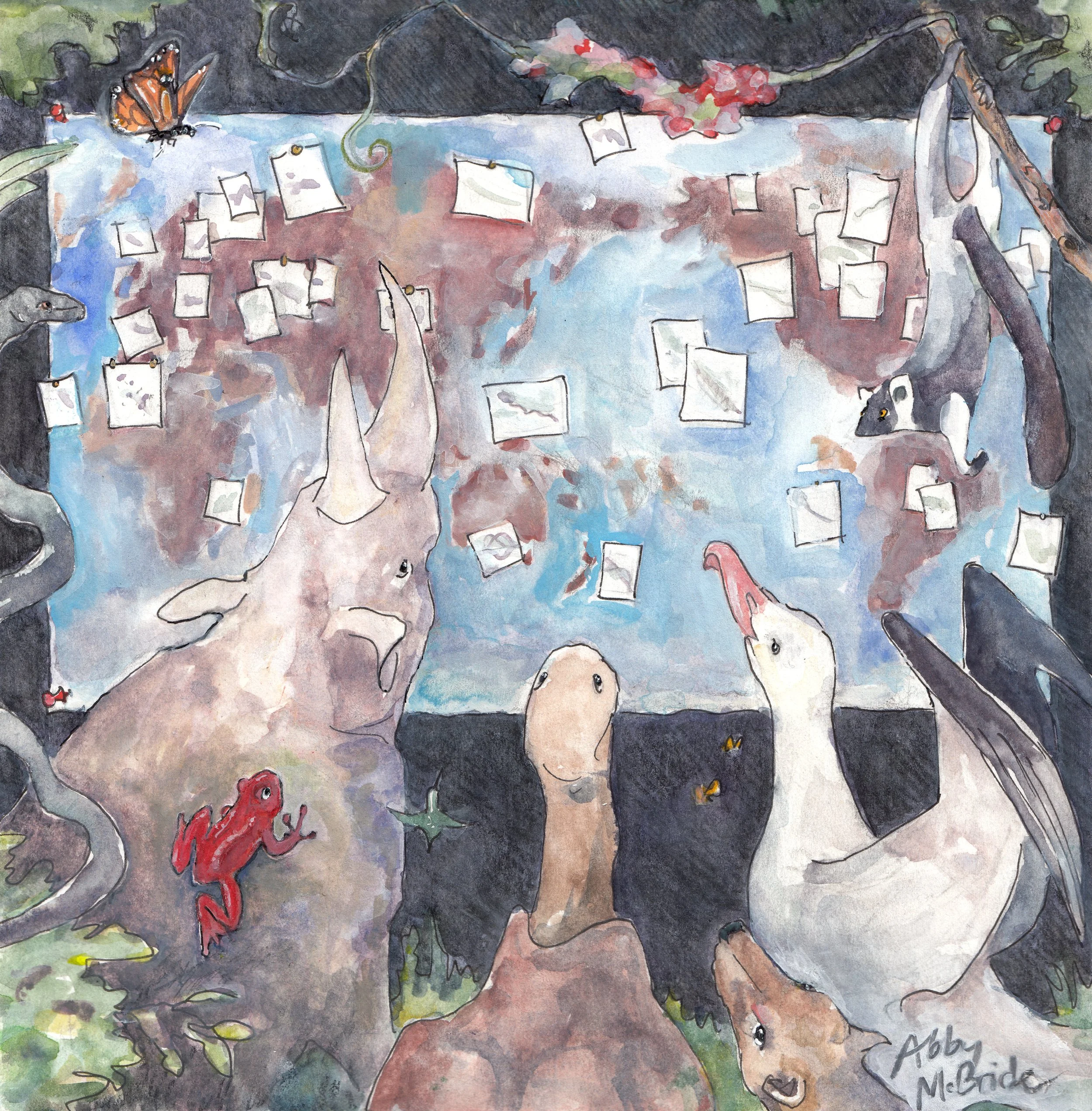
Double-blind review may no longer be a shield, but it can still be a compass, according to Oikos Editor-in-Chief Pedro Peres-Neto.
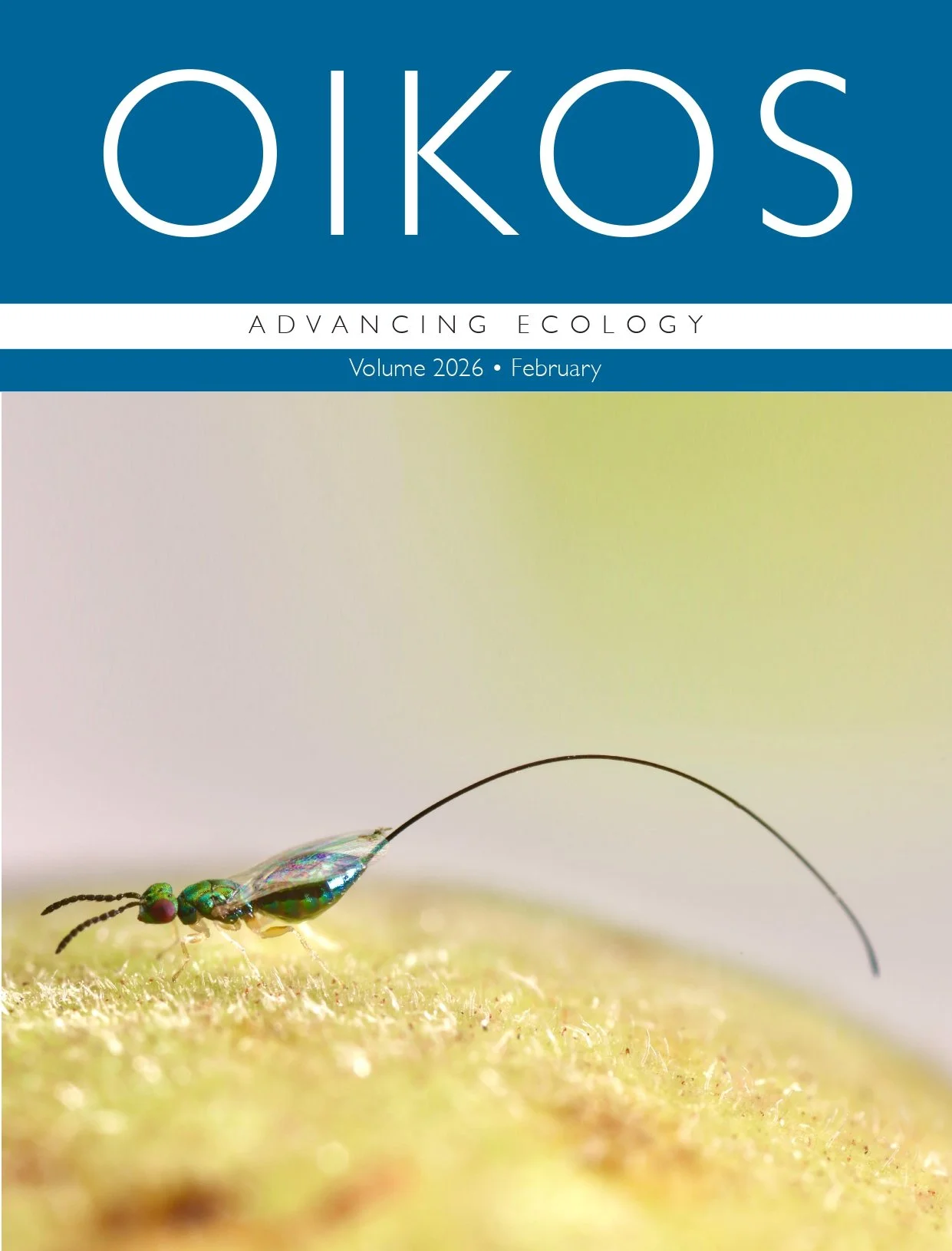
A study of fig wasps by shows that communities linked to Neotropical fig trees change dramatically across space, with high species turnover. Photo by Jean-Yves Rasplus.
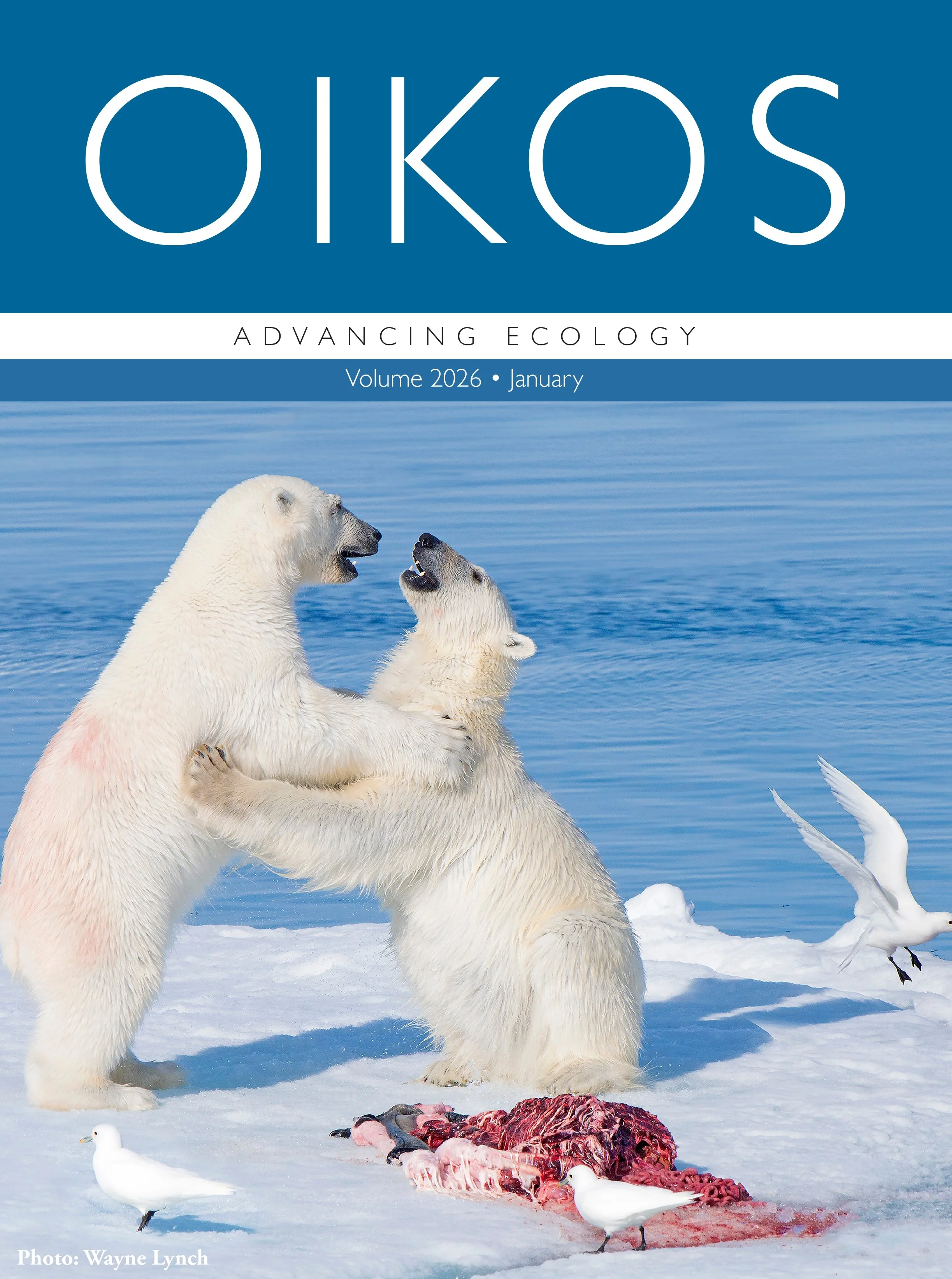
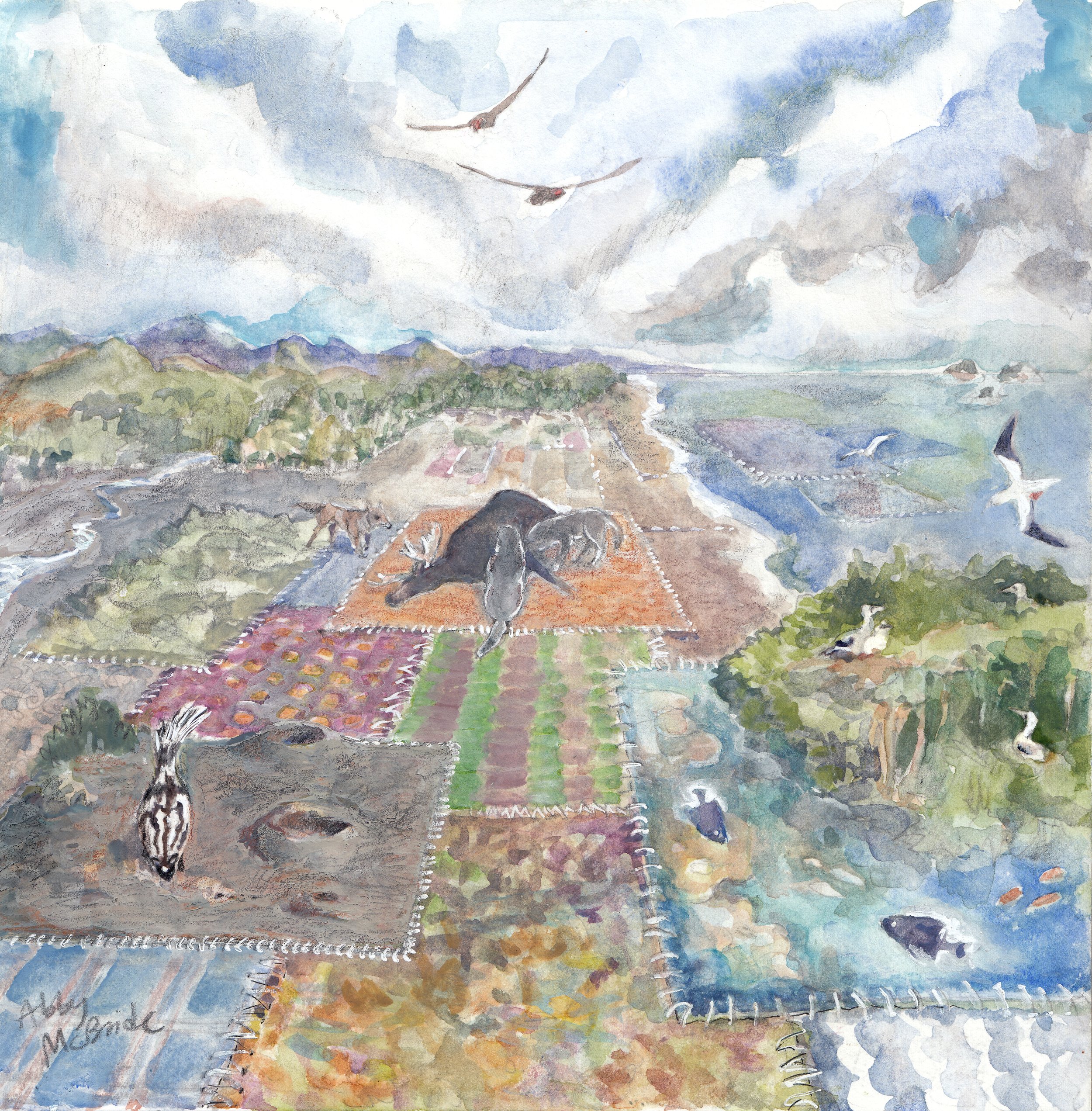
A new study highlights polar bears as key providers of food in the Arctic, showing that the carrion from their seal kills fuels a network of scavengers. Photo by Wayne Lynch.
Sounds counterintuitive: if we want to mitigate global loss of biodiversity, we should take a hard look at research that seems to contradict biodiversity loss.
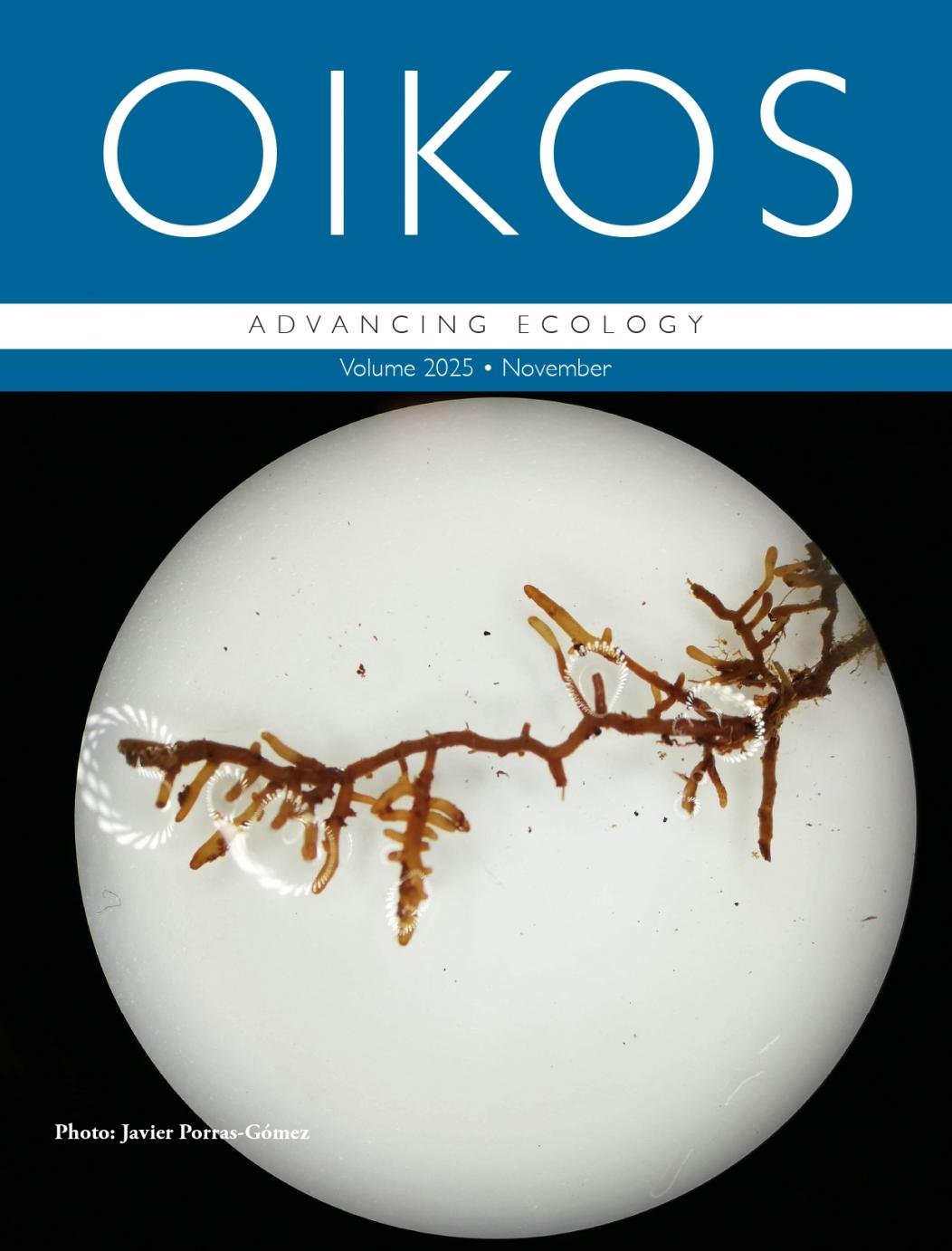
A study of European beech forests reveals that trees can maintain water uptake during drought by drawing from deeper soil layers, but dry conditions reduce the diversity of their root-associated fungi.
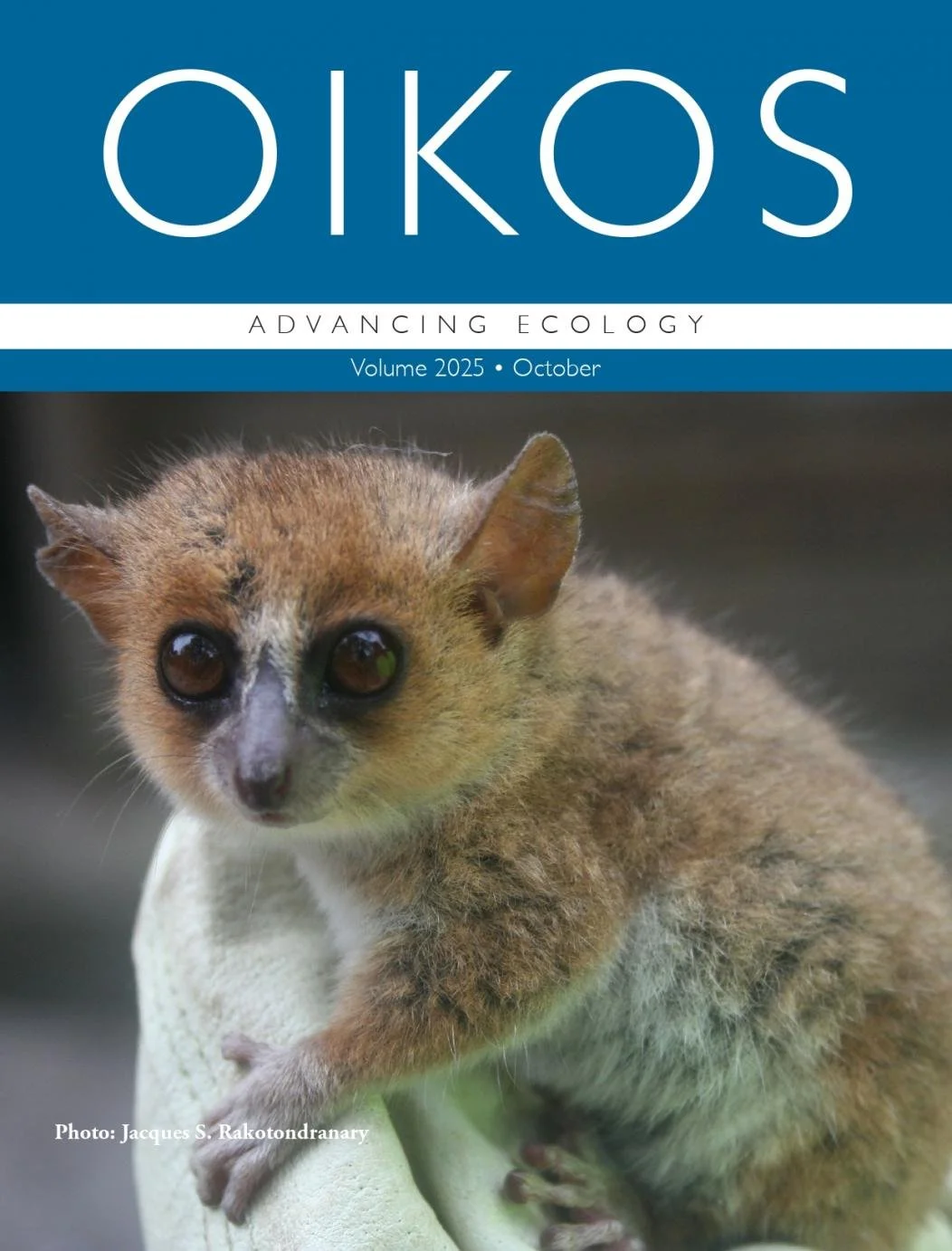
A study of mouse lemurs in Madagascar shows that protected forests significantly boost survival compared to degraded habitats. Photo by Jacques S. Rakotondranary.
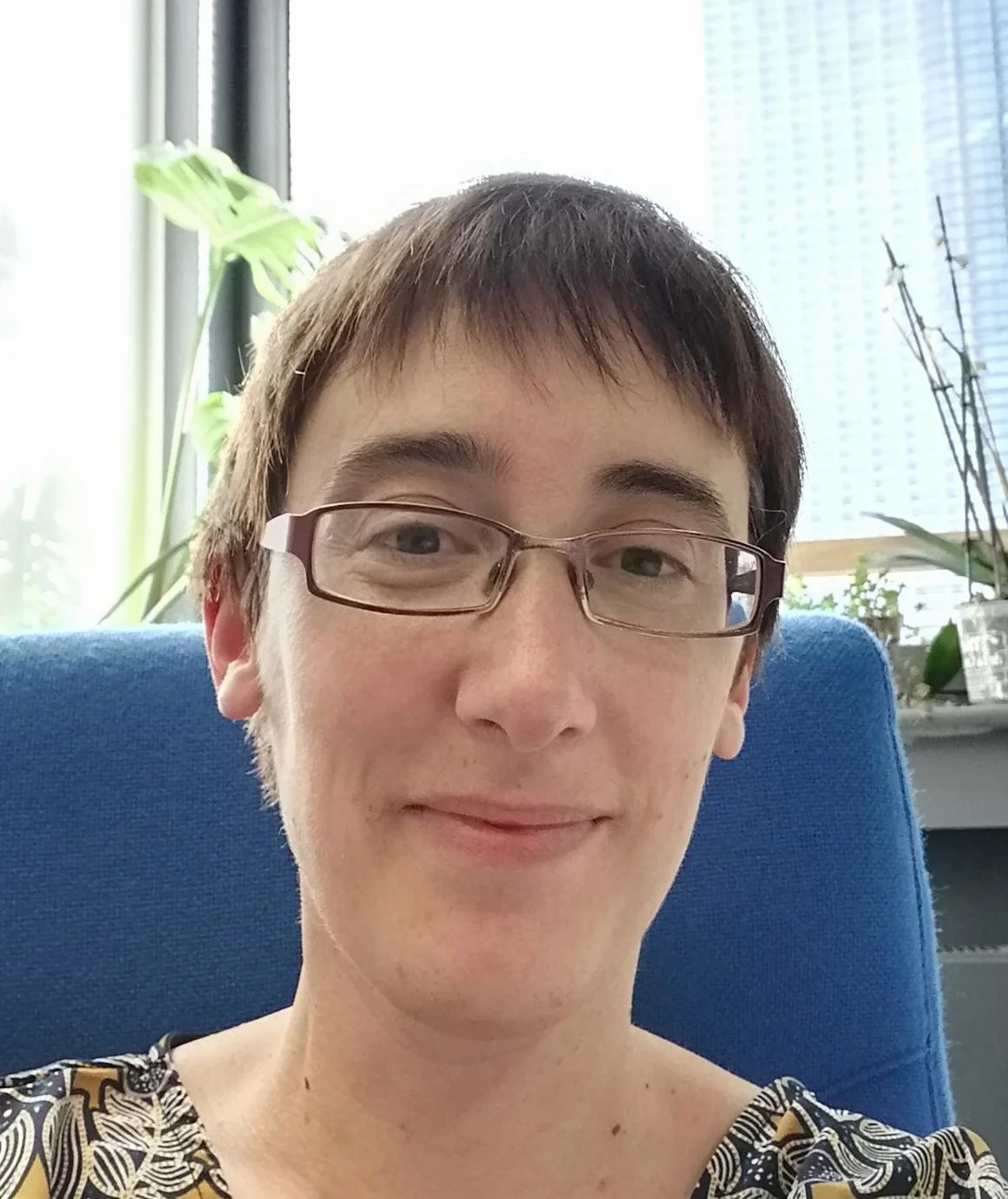
We are happy to welcome Dr. Elisa Thébault from Paris, France, to the Oikos Editorial Board.
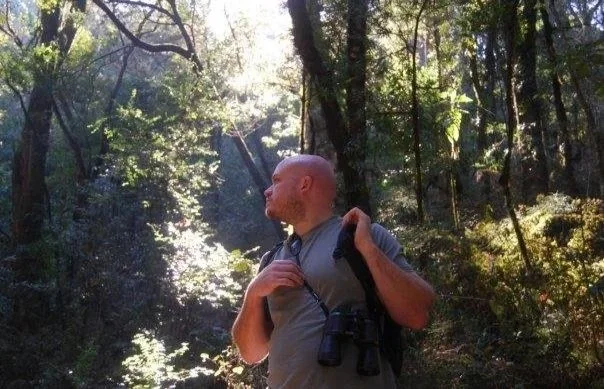
We are happy to welcome Dr. Matthew Grainger, from the Norwegian Institute for Nature Research, Trondheim, Norway, to the Oikos Editorial Board.
Due by 13 JULY 2025: We invite you to contribute to a special issue of Oikos on “Biological invasions in the context of global environmental change.”
We are happy to welcome Dr. Jean-Philippe Gibert from Duke University, NC, USA, to the Oikos Editorial Board.
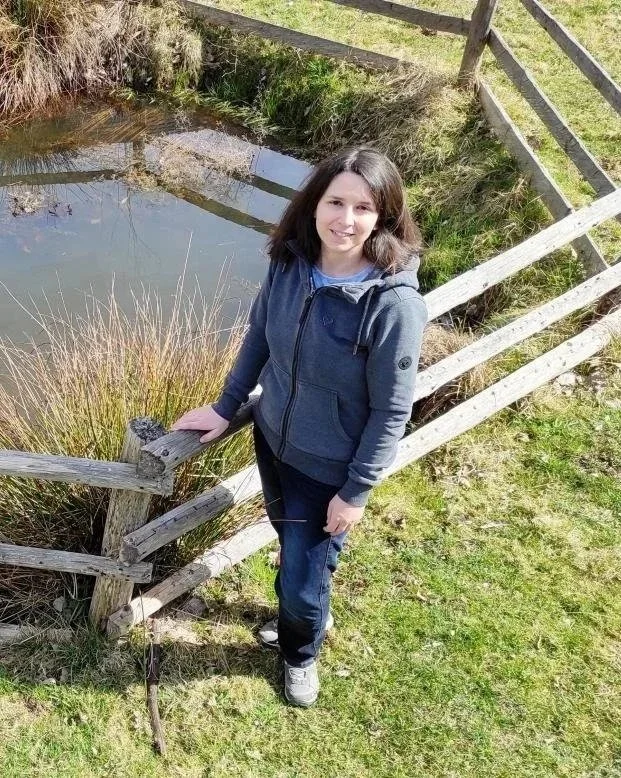
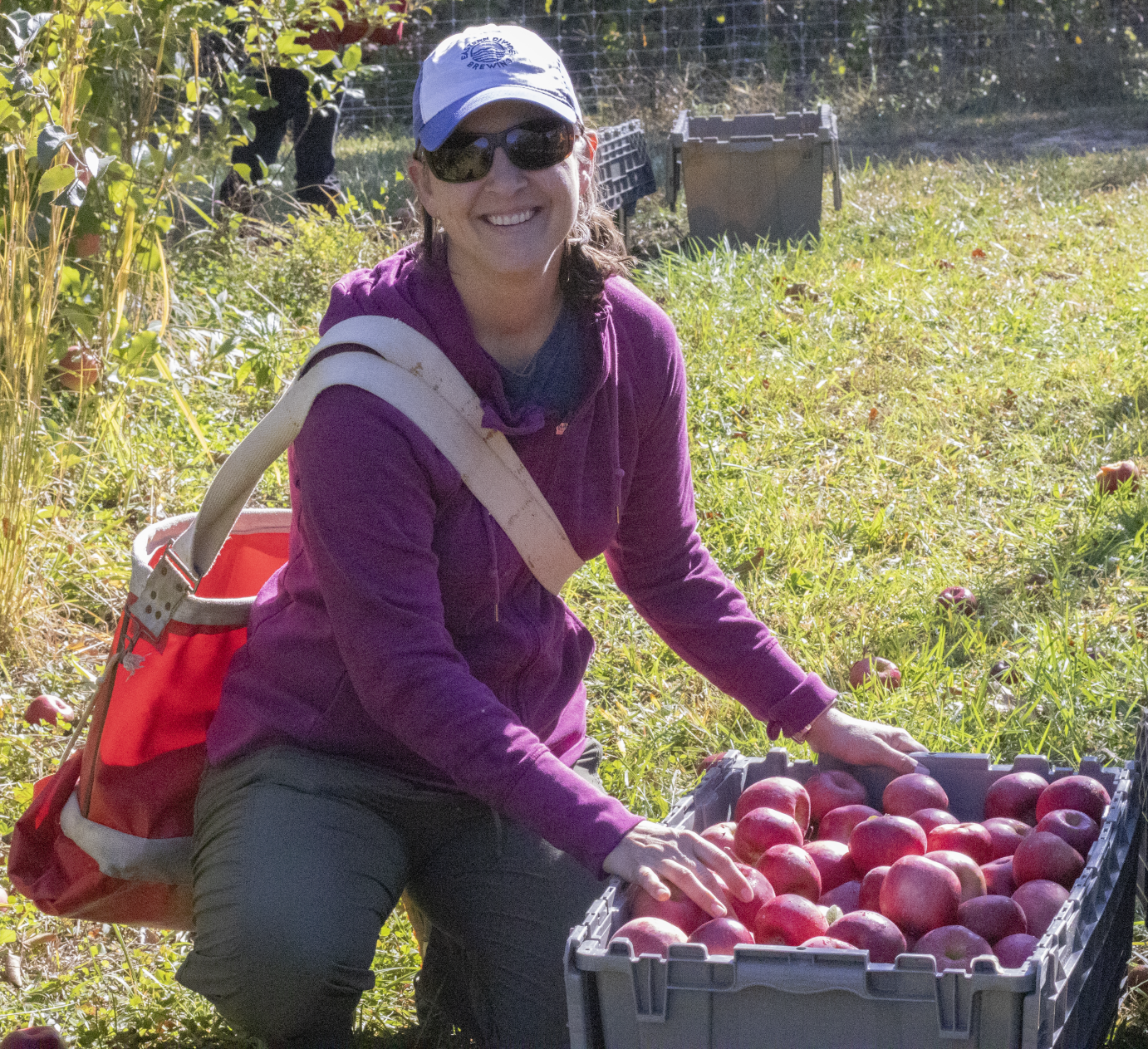
We are happy to welcome Dr. Susan Whitehead from Virginia Tech to the Oikos Editorial Board. To know more about her, read our interview.
We know that predators influence many other species, directly and indirectly. But we tend to think about their effects in terms of one starting point.
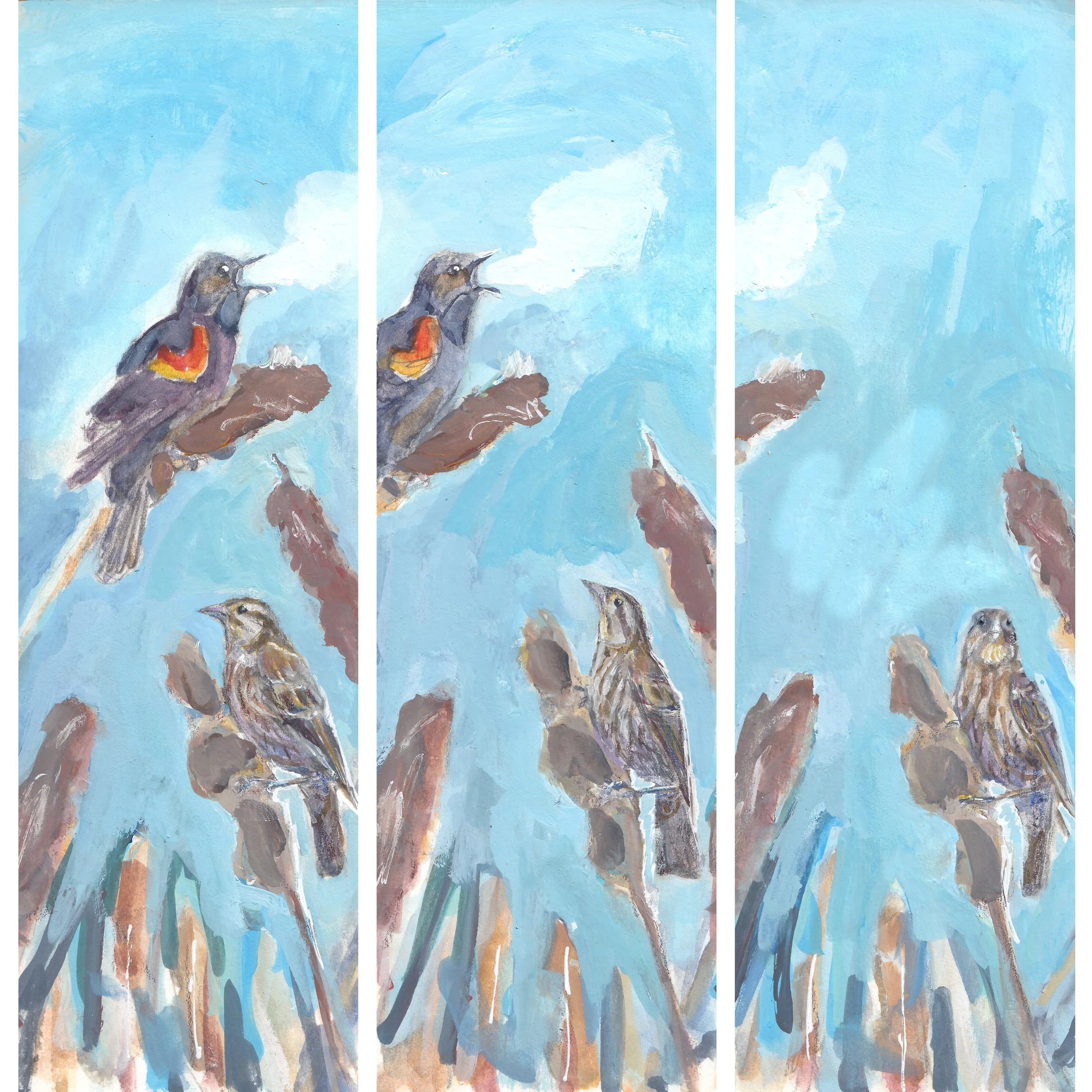
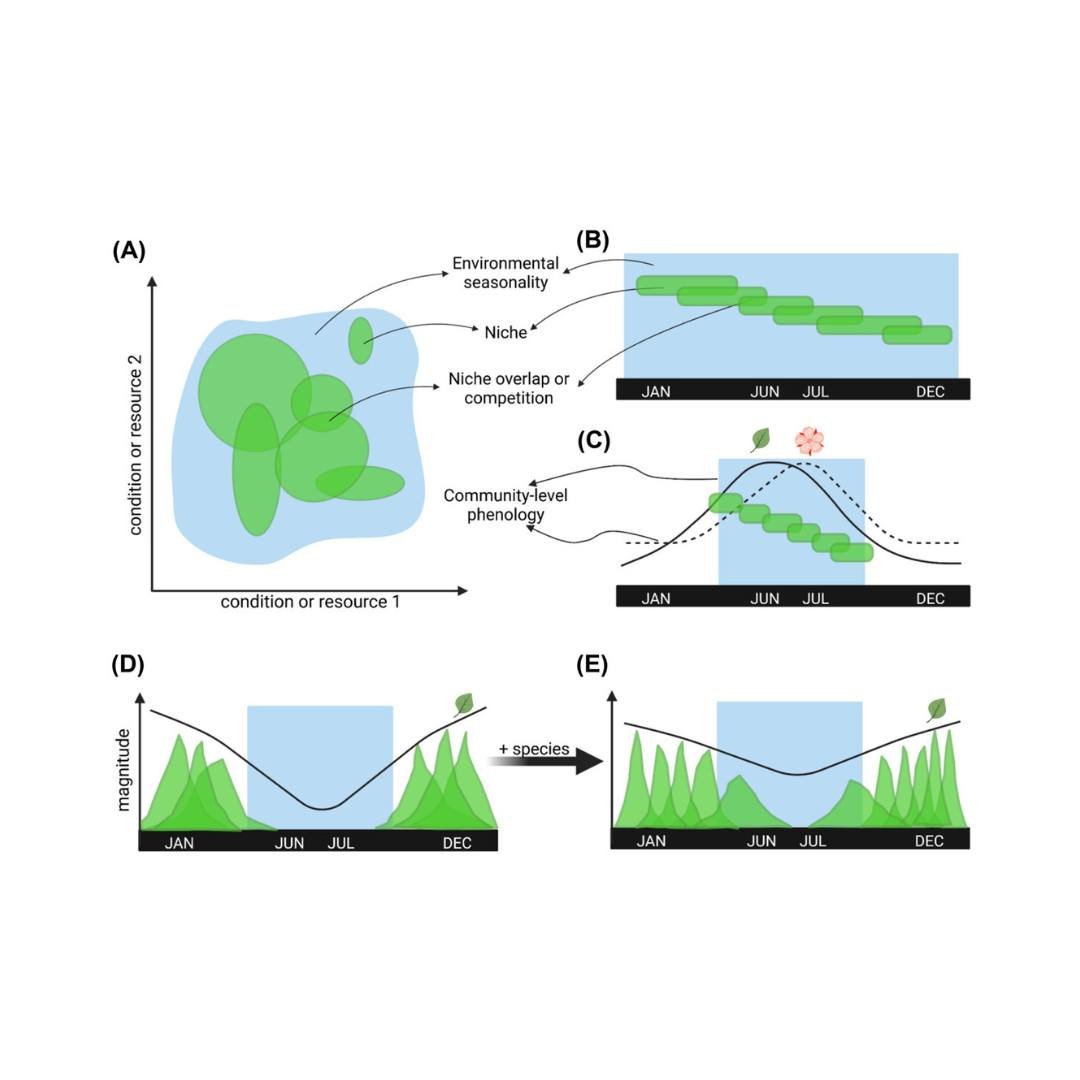
As climate change shifts the timing of the seasons, it messes with different organisms in different ways—which can disrupt the way they interact.
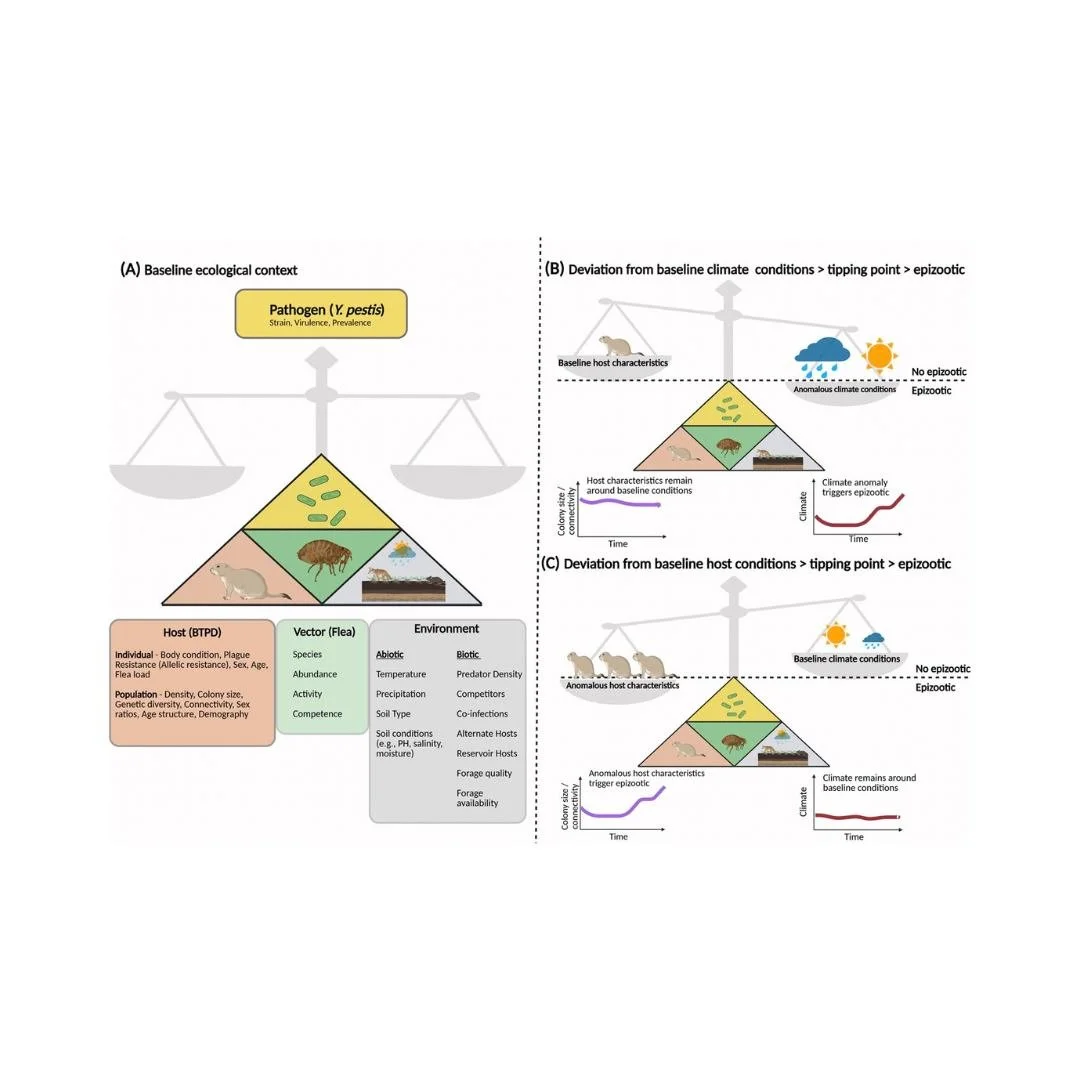
Disease and ecosystem ecology are treated as separate disciplines, but we know they're intertwined—so how can we study them together? Think in terms of carbon.
Oikos is a journal of the Nordic Society Oikos, published in cooperation with Wiley. The journal is available at Wiley Online Library. Back issues are at JSTOR.