

News from Our Journals
Browse News by Journal

*New Editor | Laura Melissa Guzman, new subject editor for Ecography
The goal of Guzman’s research is to help improve insect conservation by developing statistical methods that better use all available data.
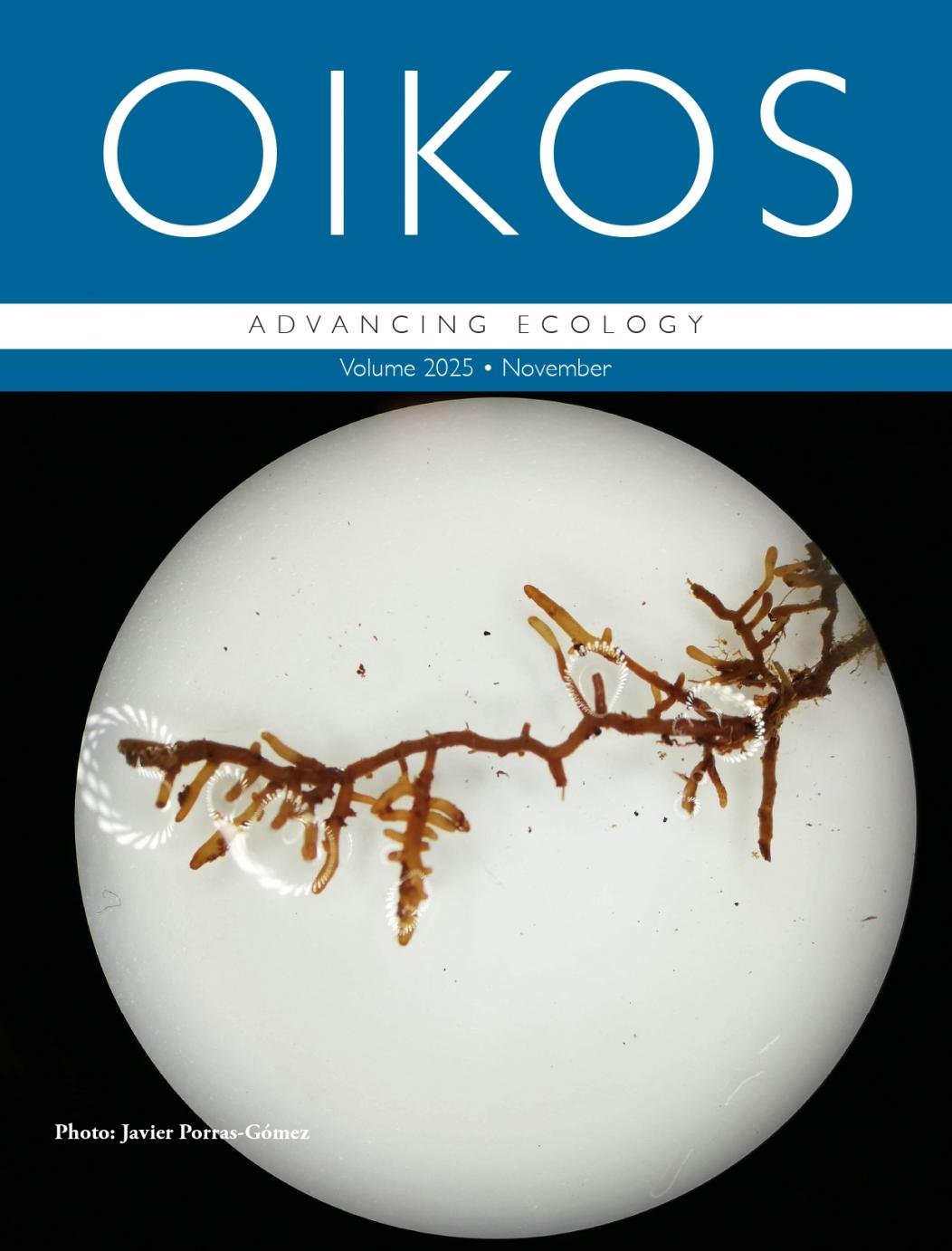
*Cover | Ectomycorrhizal fungi and root water uptake respond independently to water availability
A study of European beech forests reveals that trees can maintain water uptake during drought by drawing from deeper soil layers, but dry conditions reduce the diversity of their root-associated fungi.
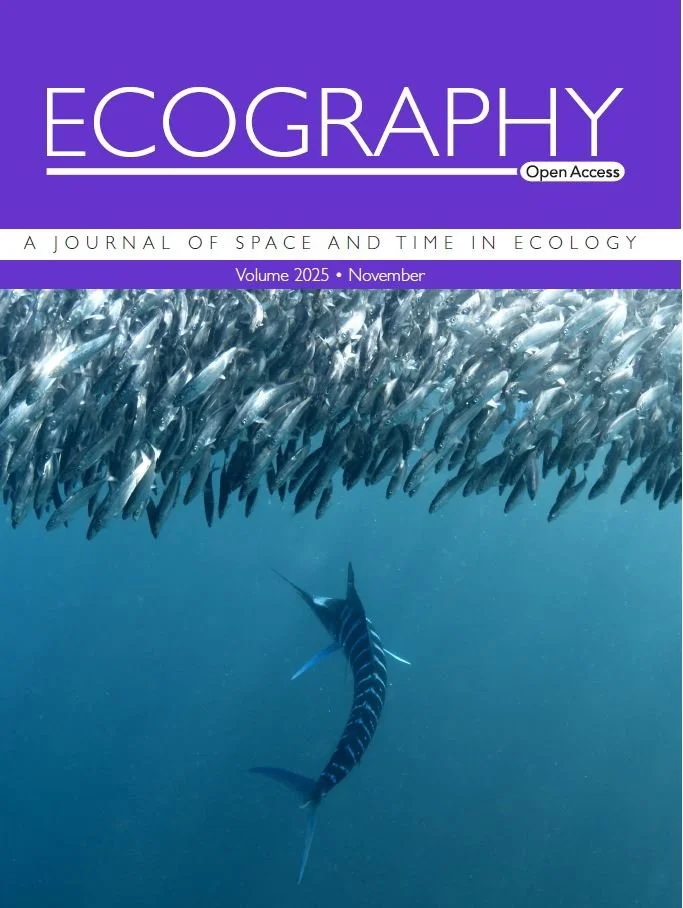
*Cover | Direct effects and prey-mediated effects of global change in projections of early life stages of pelagic predators
A striped marlin (Kajikia audax) closes in on a bait ball of Pacific sardine (Sardinops sagax) off the Pacific coast of Baja, Mexico.
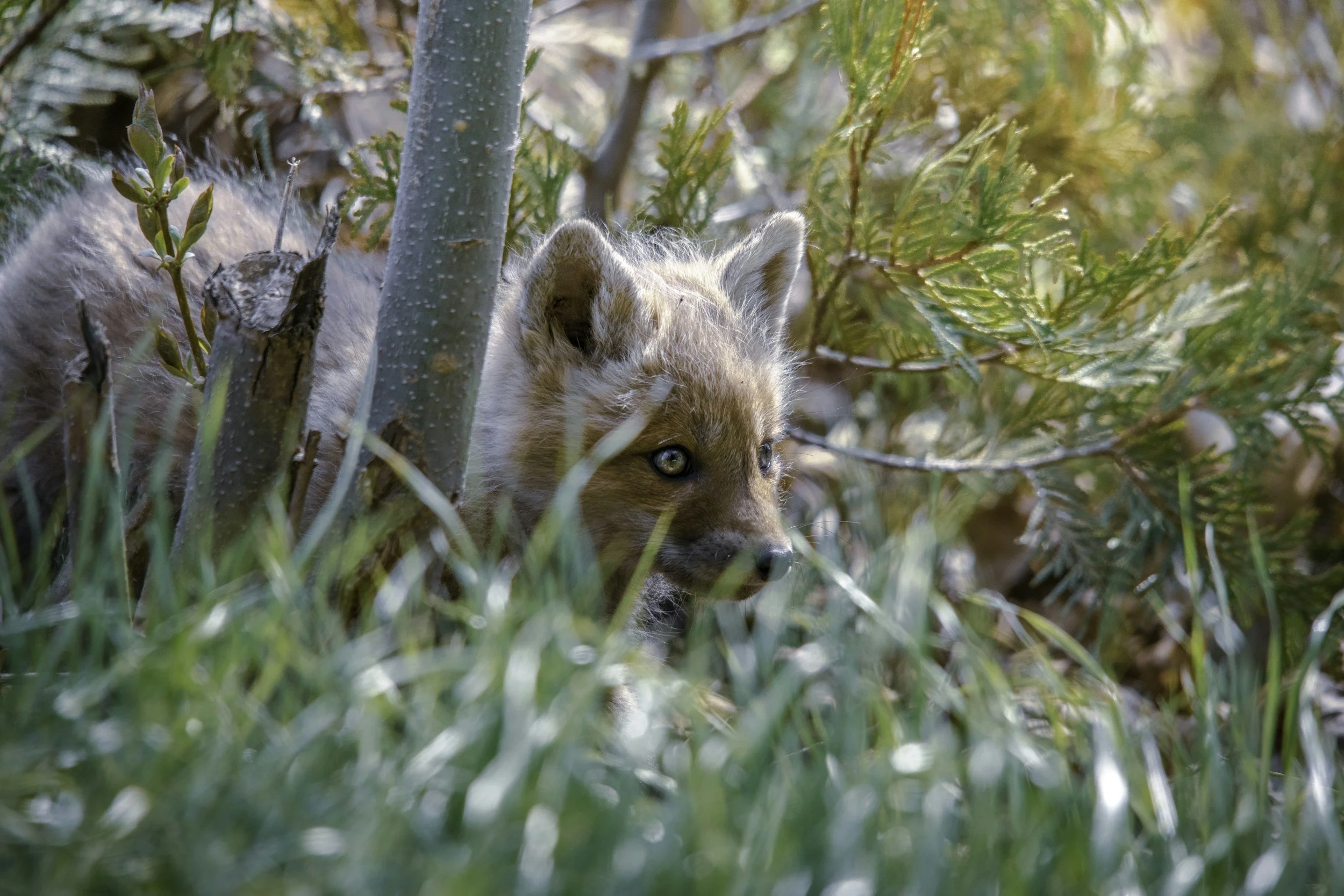
*Editor’s Choice | Ecology of swift foxes in a novel landscape beyond their range
The editor’s choice for November/December 2025 is the article by Smith et al.: “Heading west: Ecology of swift foxes in a novel landscape beyond their range.”
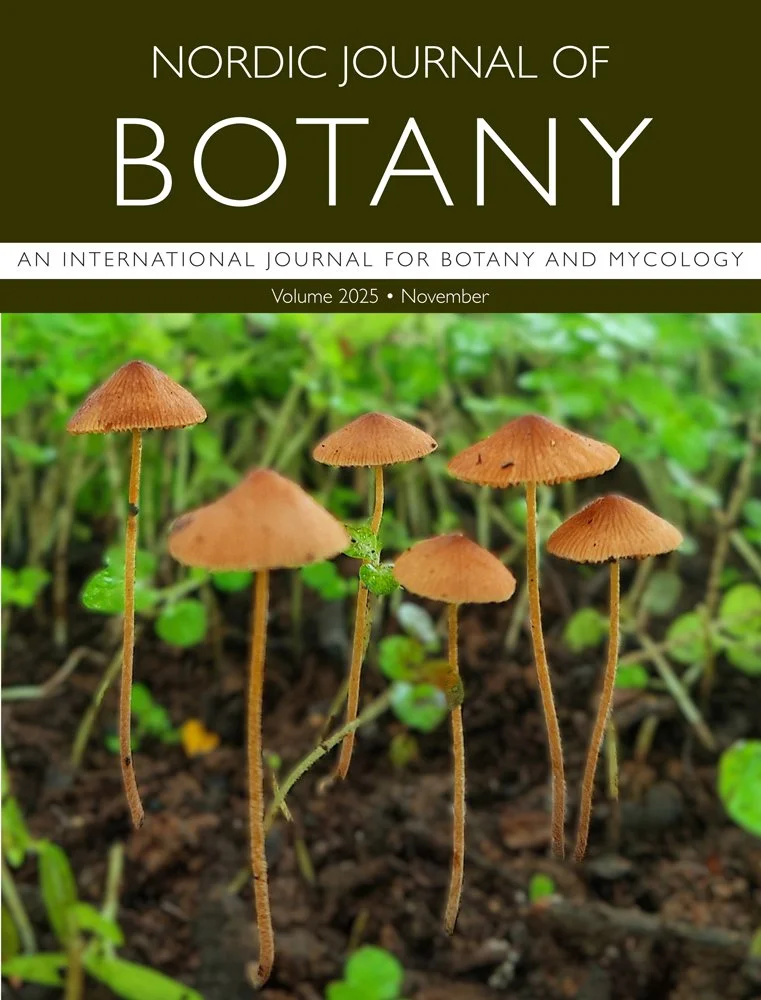
Cover | A new species of Conocybe
Conocybe salalahensis is described as a new species based on morphology and phylogeny.
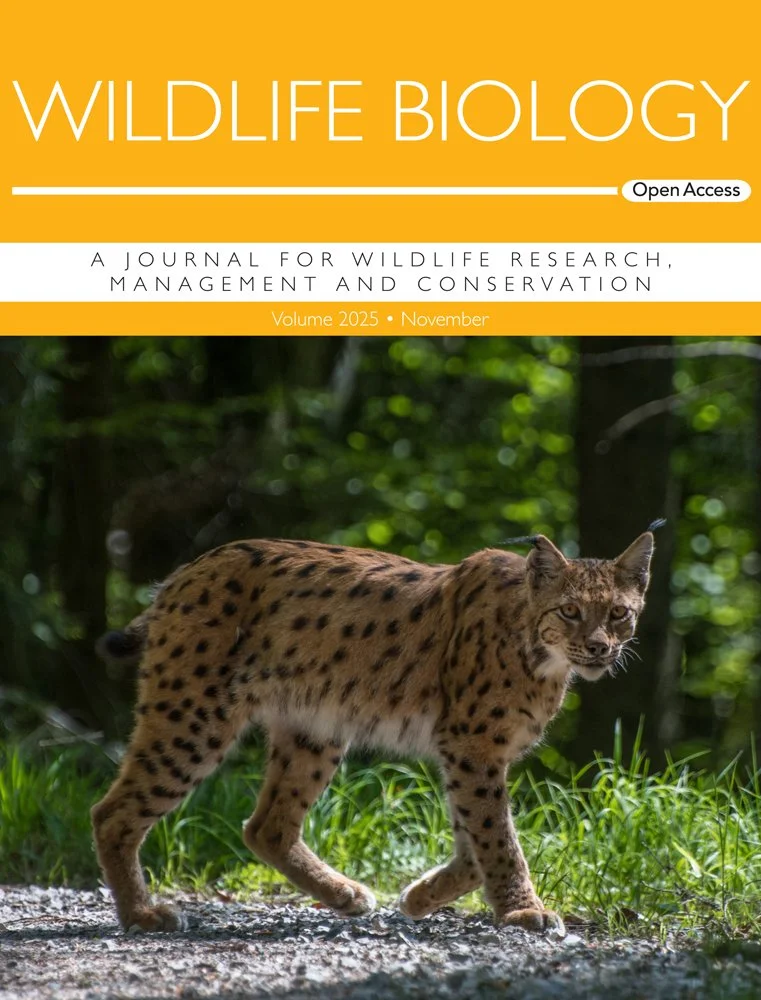
*Cover | Hunter-engaged monitoring of the Eurasian lynx during the reinforcement process
Male Eurasian lynx (Lynx lynx) in a Dinaric forest (Kočevsko, Slovenia). Photo: Lan Hočevar. Read the full open access paper.
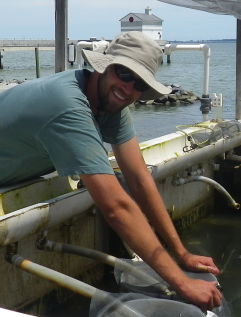
*Welcome | Jon Lefcheck, new Subject Editor
We welcome Jon Lefchek, research scientist at the University of Maryland Center for Environmental Science, as new subject editor of Ecography.
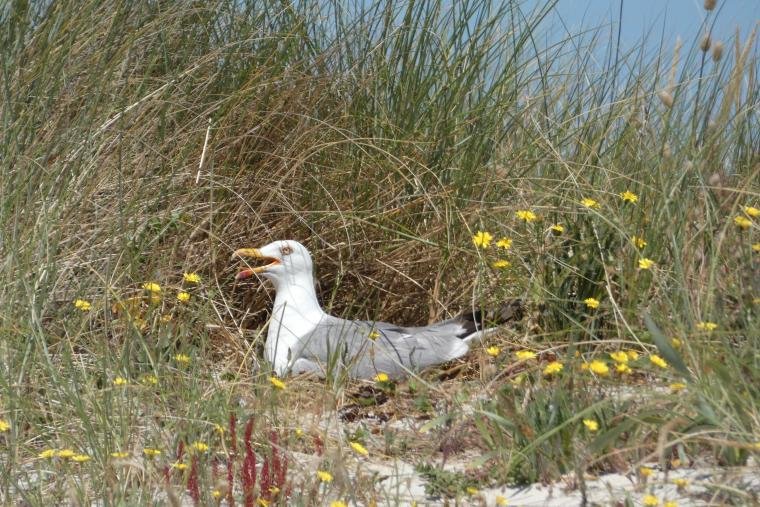
*Study | Gulls promote multi-species colonies as they leave former refuges
The yellow-legged gull (Larus michahellis) is often considered an over-abundant pest species, stemming from a belief that is not entirely correct.
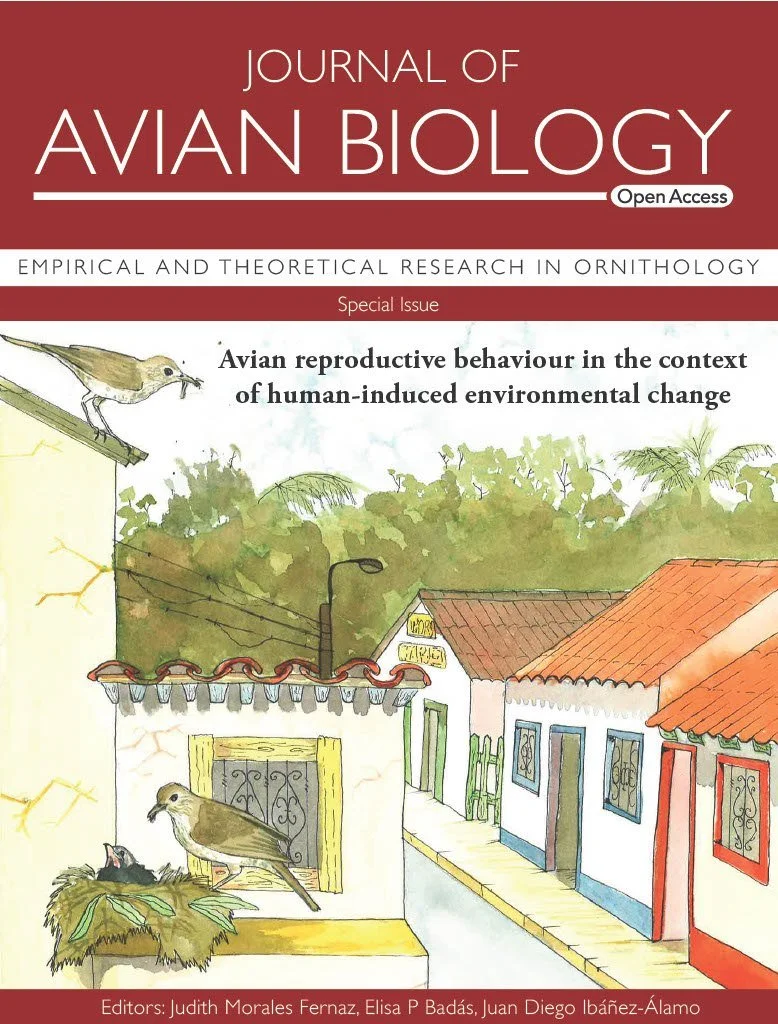
Special Issue | Ask the editors: human pressures on bird reproduction
What’s it like to edit a special issue for JAB? Hear it from the guest editors of “Avian reproductive behaviours in the context of human-induced environmental change.”
*New Editor | Christine Meynard, Editor-in-Chief for Ecography
We welcome Christine Meynard, the new Editor-in-Chief of Ecography.
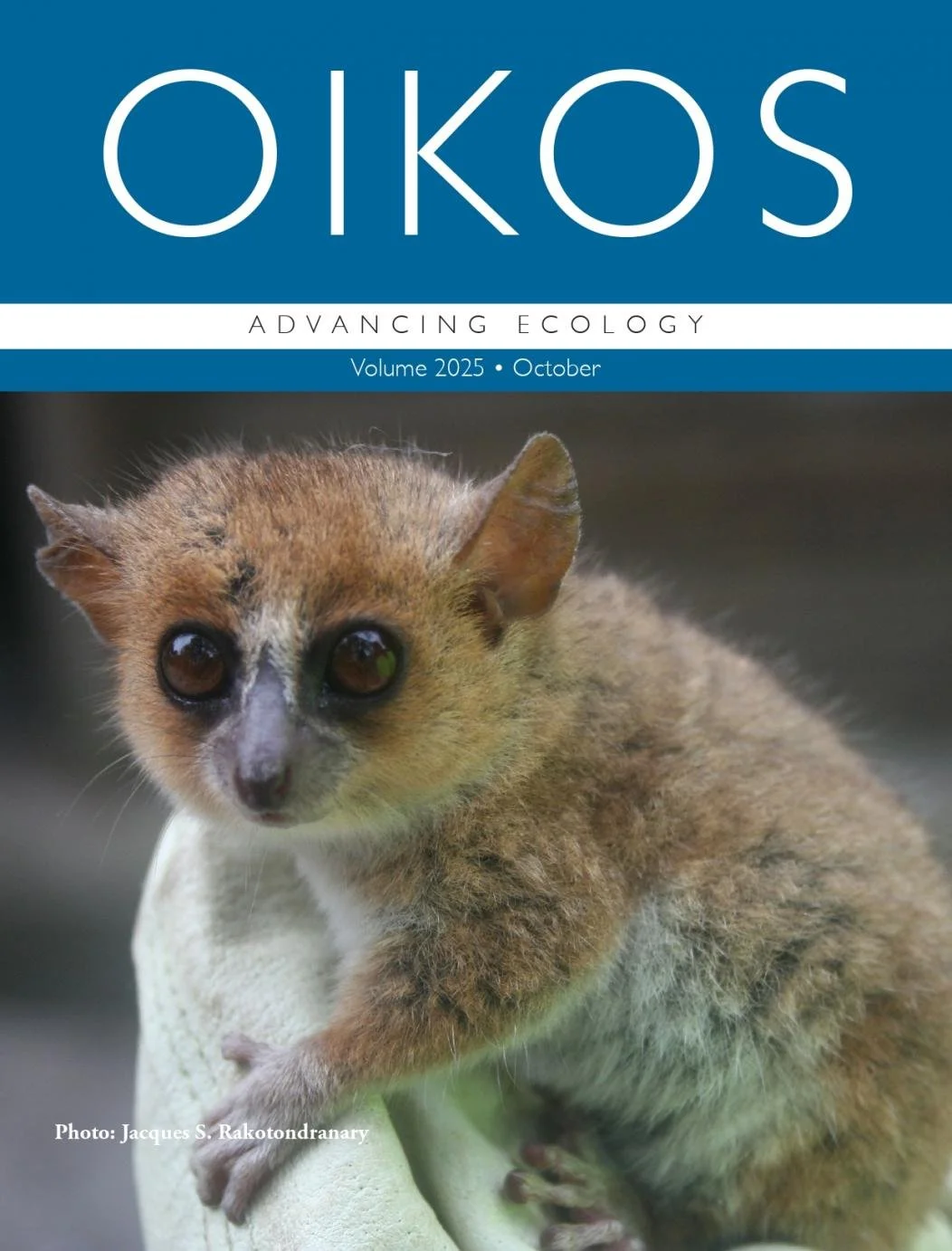
Cover | Protecting forests for mouse lemurs in Madagascar
A study of mouse lemurs in Madagascar shows that protected forests significantly boost survival compared to degraded habitats. Photo by Jacques S. Rakotondranary.
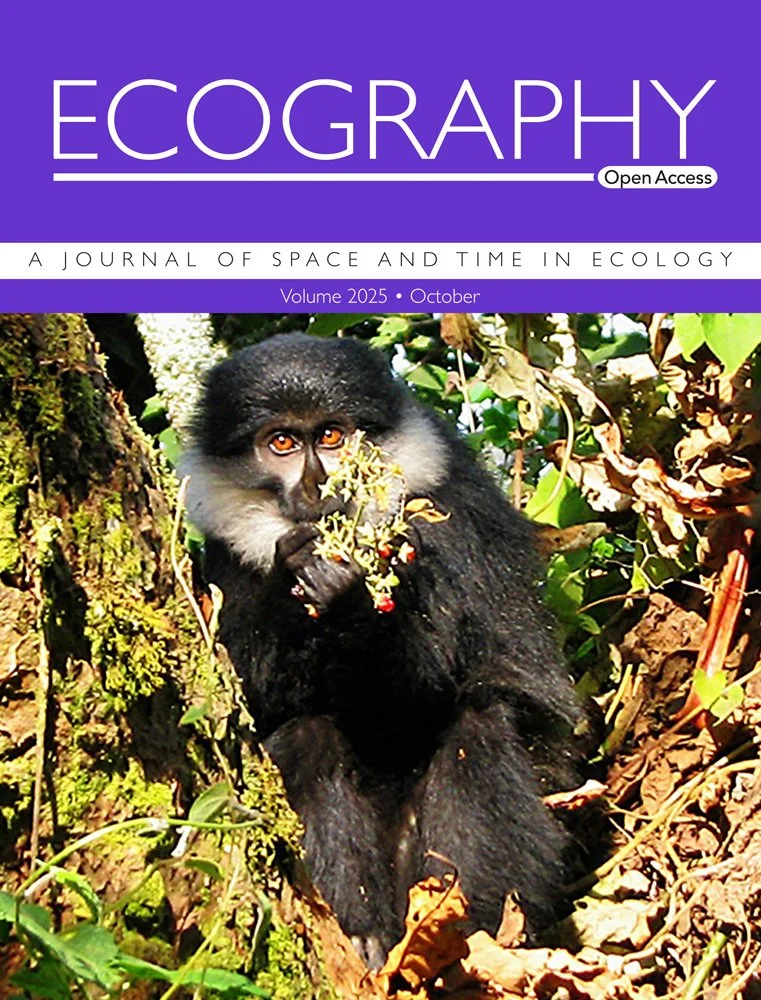
*Cover | The division of food space among mammalian species on biomes
L’Hoest’s monkey (Allochrocebus lhoesti) feeding at Nyungwe Forest National Park (Rwanda). Photo credit: Rafael Barrientos. Read the full open access paper.
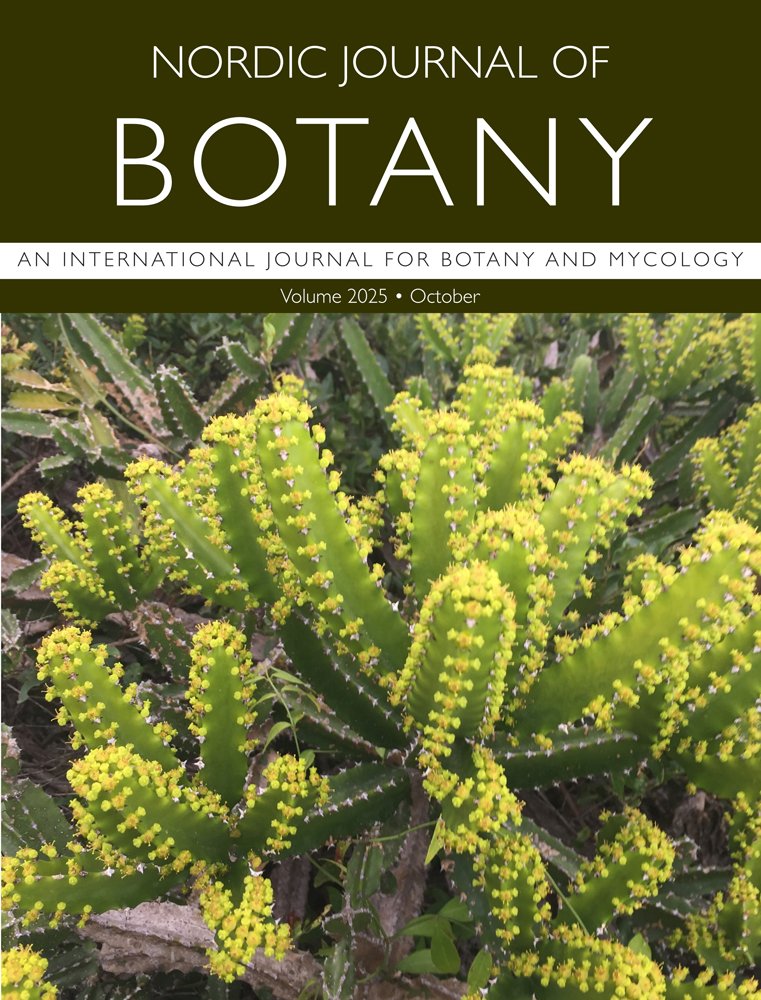
Cover | Euphorbia paraikalli sp. nov., a new succulent species from Peninsular India
A new succulent species, Euphorbia paraikalli, is identified in India, distinguished from relatives and found in scattered hill populations.

Call for Papers | Special issue “Tundra Transitions”
Due by 30 Nov 2025: NJB invites abstract submissions to the special issue “Tundra Transitions: Understanding Vegetation Change Across Scales and Systems.”

New editor | Elisa Thébault, subject editor for Oikos
We are happy to welcome Dr. Elisa Thébault from Paris, France, to the Oikos Editorial Board.
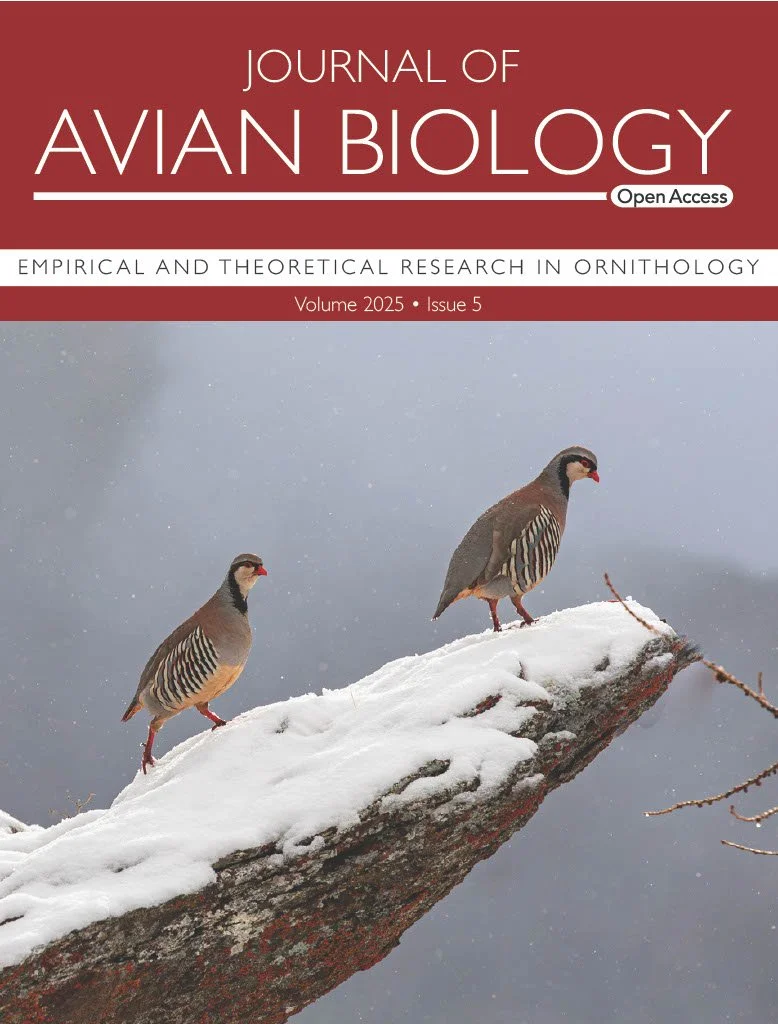
*Cover | Incubation behaviour in a double-nesting alpine bird Alectoris graeca saxatilis: similar nest attendance by males and females
September-October cover depicting a rock partridge pair, featuring the article 'Incubation behaviour in a double-nesting alpine bird Alectoris graeca saxatilis: similar nest attendance by males and females' by Bernard-Laurent et al. Photo credit: Jean Guillet.
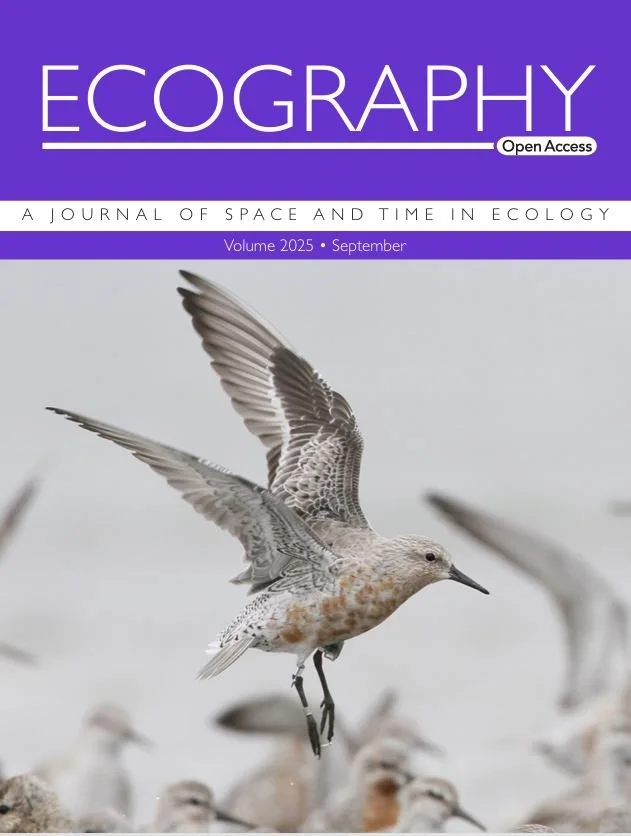
Cover | Shape-shifting in relative wing length of juvenile shorebirds
This month’s cover photo features a red knot in flight, illustrating a paper by Ryder et al. that looks at changes in wing length in 20,000 juvenile shorebirds from 11 species over the past four decades.
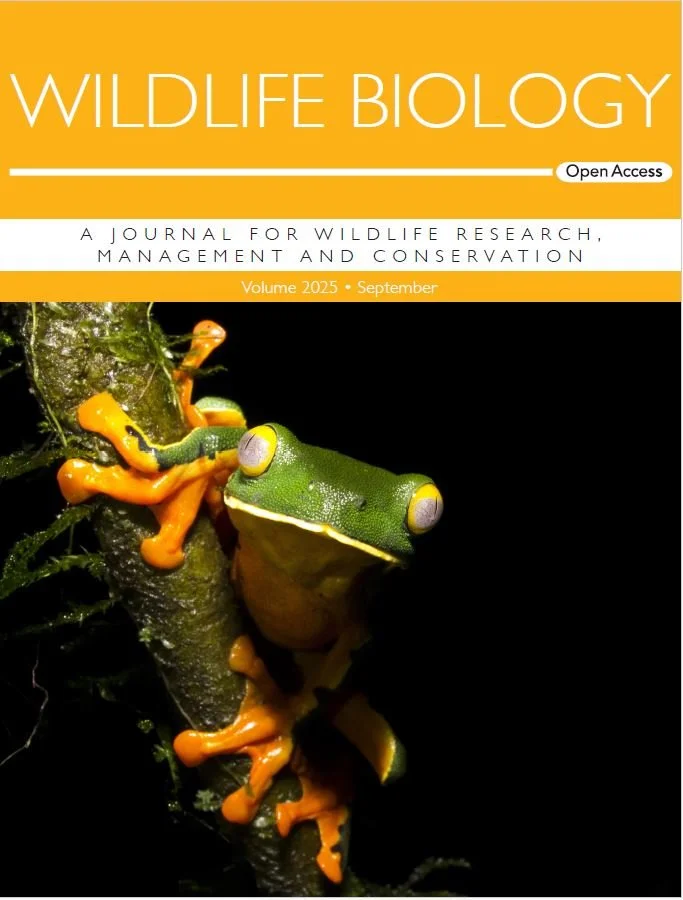
Cover | Batrachochytrium dendrobatidis and amphibian diversity
Delia Basanta captured this splendid tree frog (Cruziohyla calcarifer) from Panama, featured on our January-February cover.
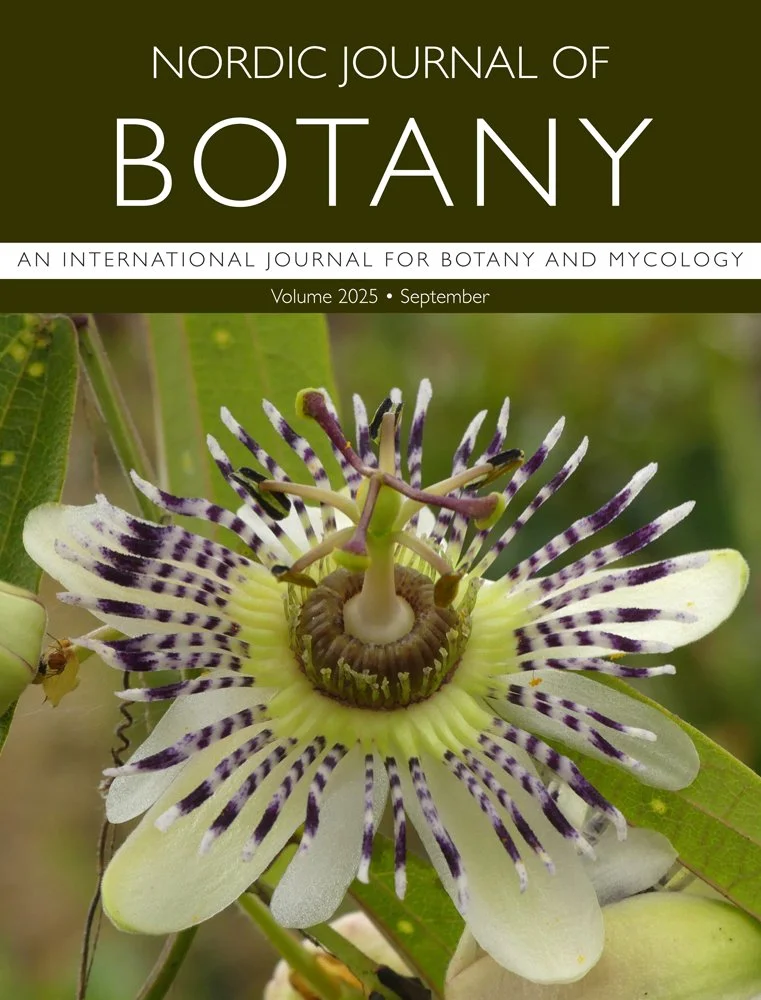
Cover | A new species of Passiflora
A new Passiflora species from Ecuador is described, highlighting localized diversity in a poorly explored region.
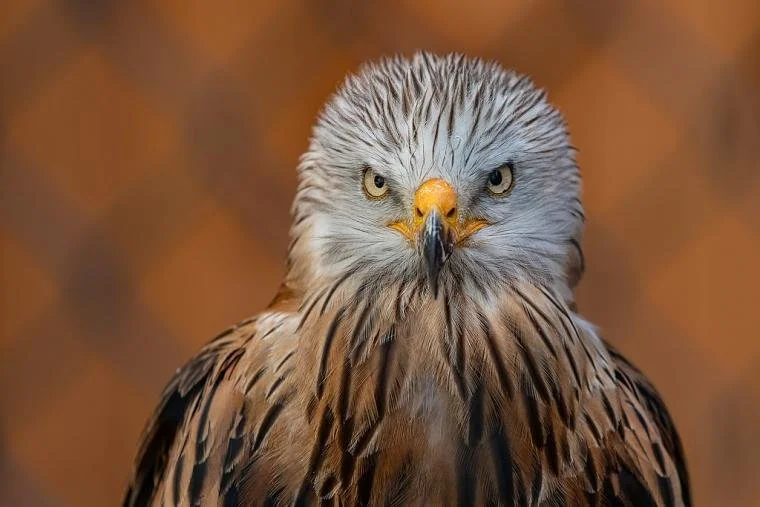
*Study | Brood awakening: how red kites weigh risk like feathered economists
Parental care is a balancing act — parents must protect their young while minimizing risks to themselves, to ensure current, but also future reproductive success.