

News from Our Journals
Browse News by Journal
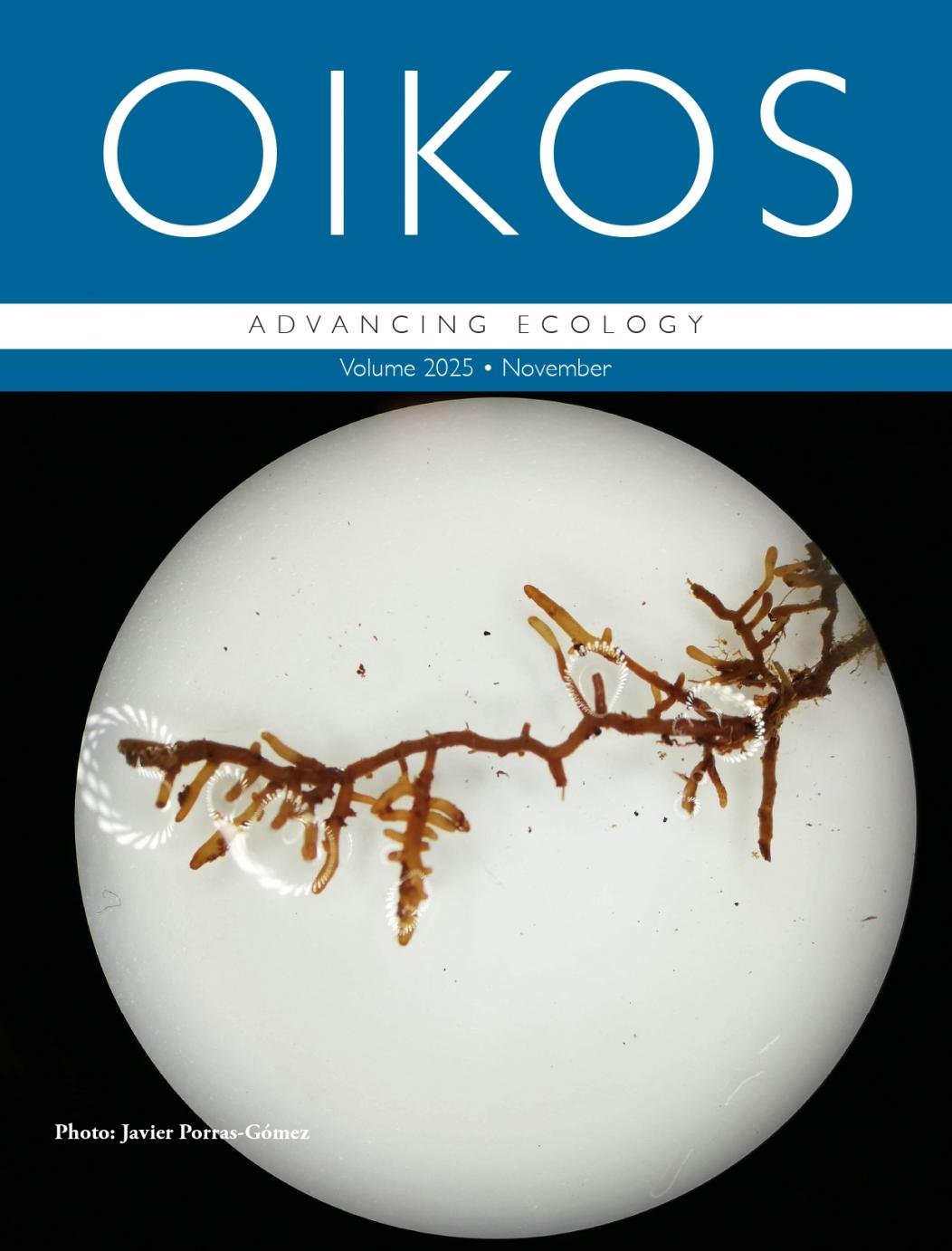
*Cover | Ectomycorrhizal fungi and root water uptake respond independently to water availability
A study of European beech forests reveals that trees can maintain water uptake during drought by drawing from deeper soil layers, but dry conditions reduce the diversity of their root-associated fungi.
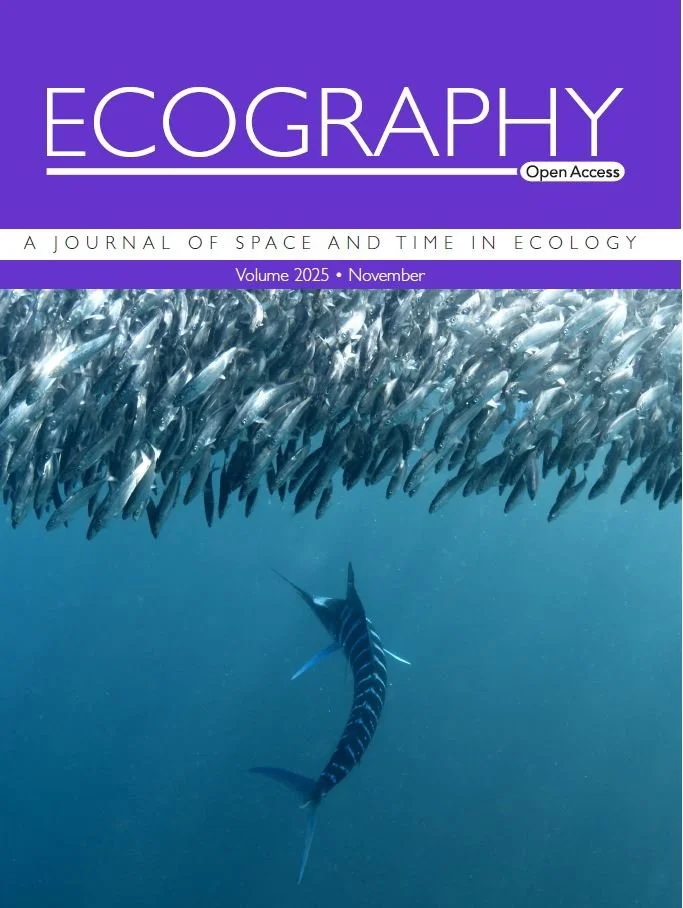
*Cover | Direct effects and prey-mediated effects of global change in projections of early life stages of pelagic predators
A striped marlin (Kajikia audax) closes in on a bait ball of Pacific sardine (Sardinops sagax) off the Pacific coast of Baja, Mexico.
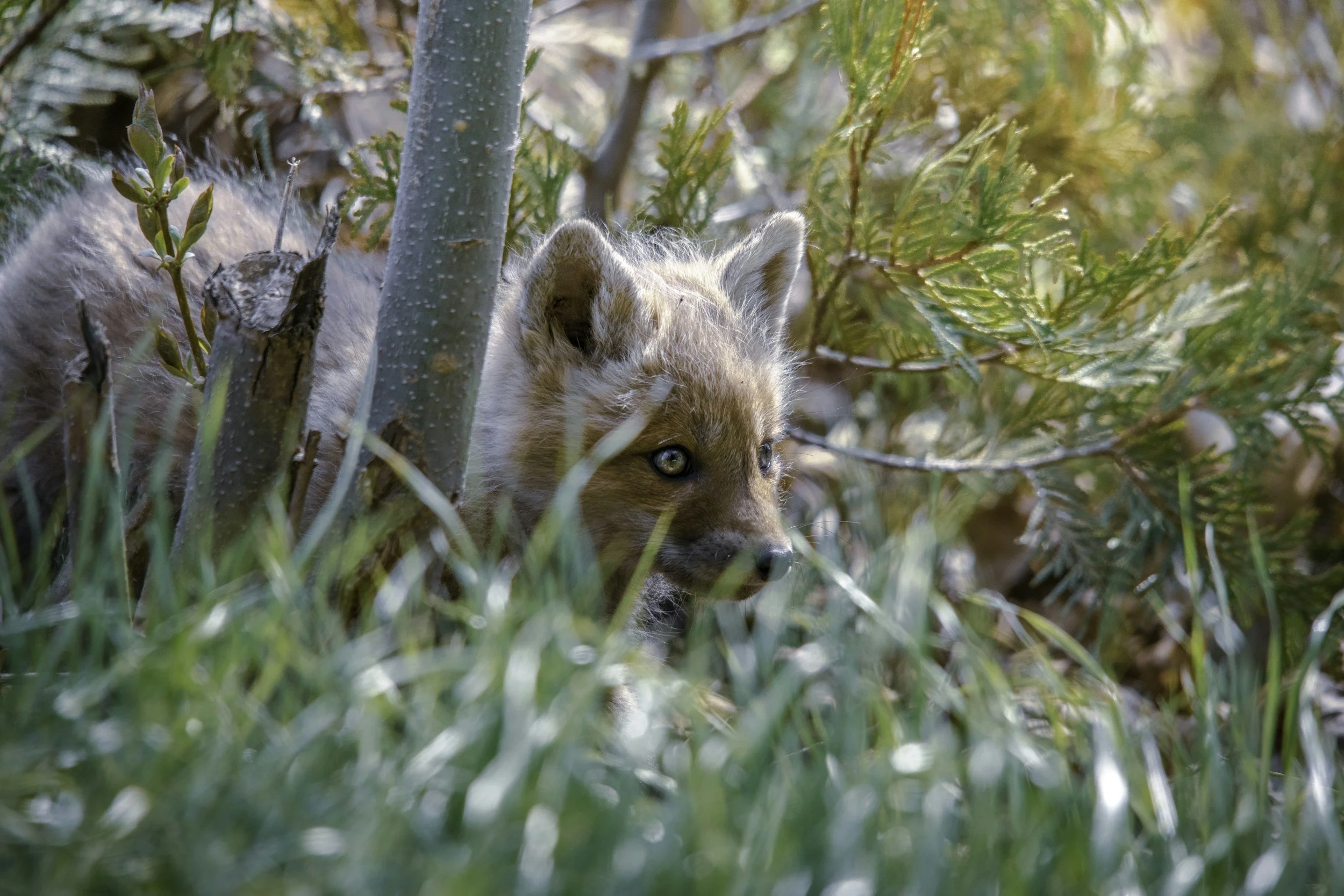
*Editor’s Choice | Ecology of swift foxes in a novel landscape beyond their range
The editor’s choice for November/December 2025 is the article by Smith et al.: “Heading west: Ecology of swift foxes in a novel landscape beyond their range.”
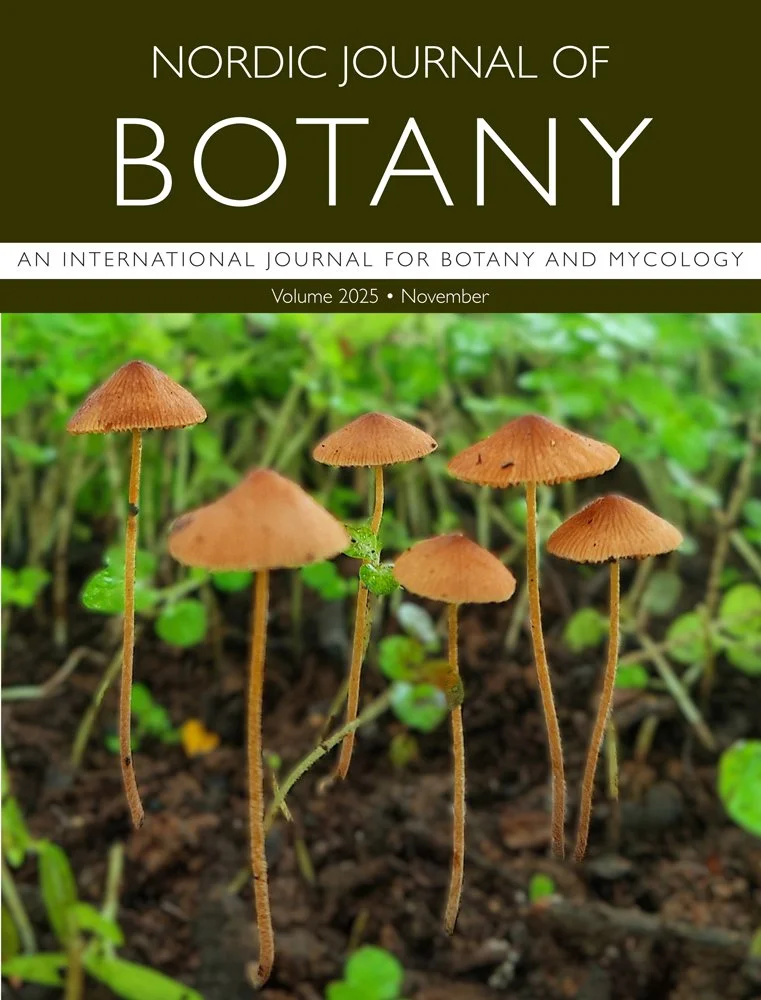
Cover | A new species of Conocybe
Conocybe salalahensis is described as a new species based on morphology and phylogeny.

*Cover | Hunter-engaged monitoring of the Eurasian lynx during the reinforcement process
Male Eurasian lynx (Lynx lynx) in a Dinaric forest (Kočevsko, Slovenia). Photo: Lan Hočevar. Read the full open access paper.
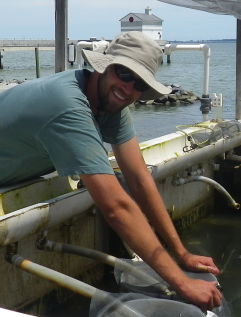
*Welcome | Jon Lefcheck, new Subject Editor
We welcome Jon Lefchek, research scientist at the University of Maryland Center for Environmental Science, as new subject editor of Ecography.
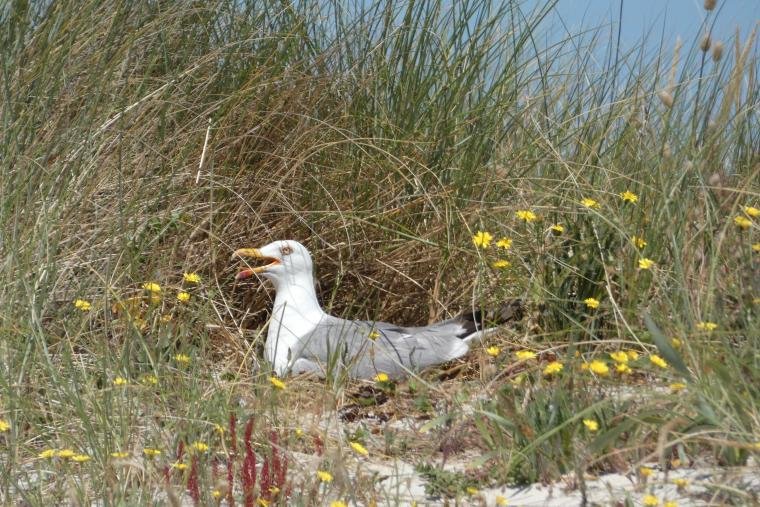
*Study | Gulls promote multi-species colonies as they leave former refuges
The yellow-legged gull (Larus michahellis) is often considered an over-abundant pest species, stemming from a belief that is not entirely correct.
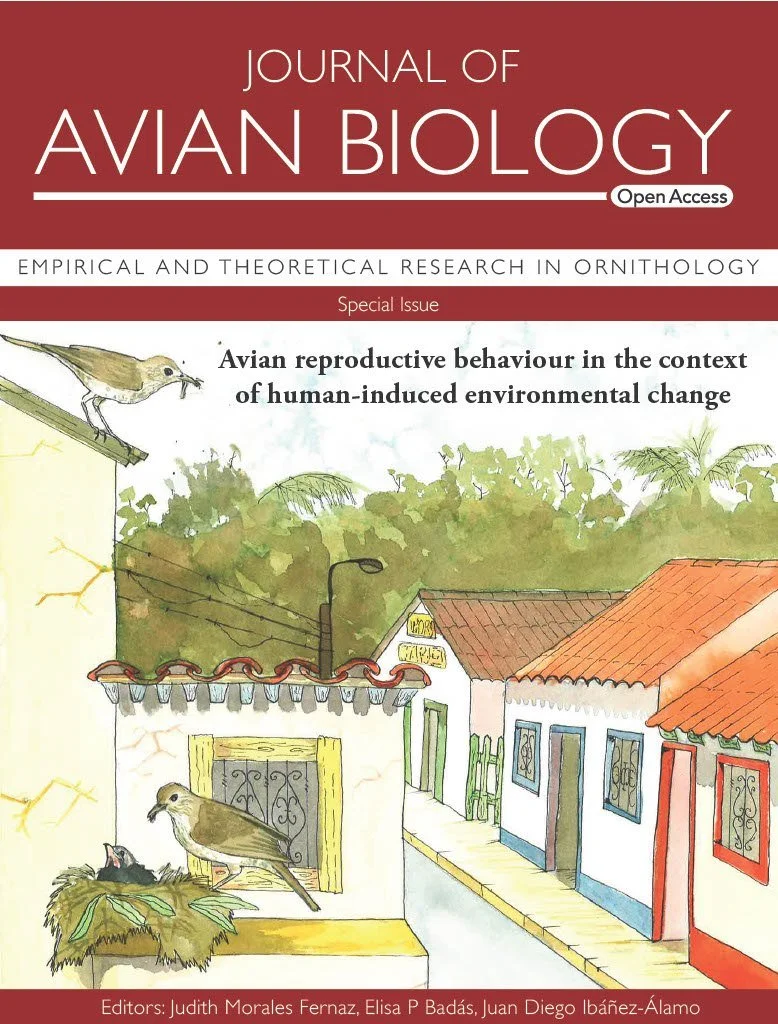
Special Issue | Ask the editors: human pressures on bird reproduction
What’s it like to edit a special issue for JAB? Hear it from the guest editors of “Avian reproductive behaviours in the context of human-induced environmental change.”
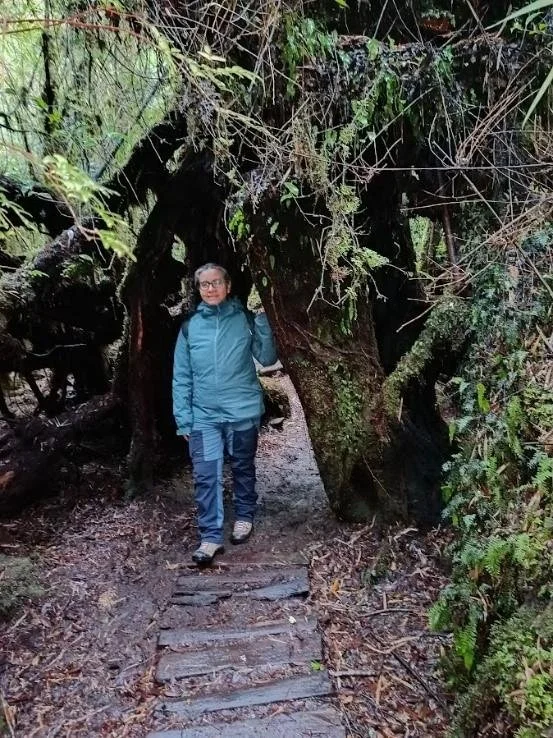
*New Editor | Christine Meynard, Editor-in-Chief for Ecography
We welcome Christine Meynard, the new Editor-in-Chief of Ecography.
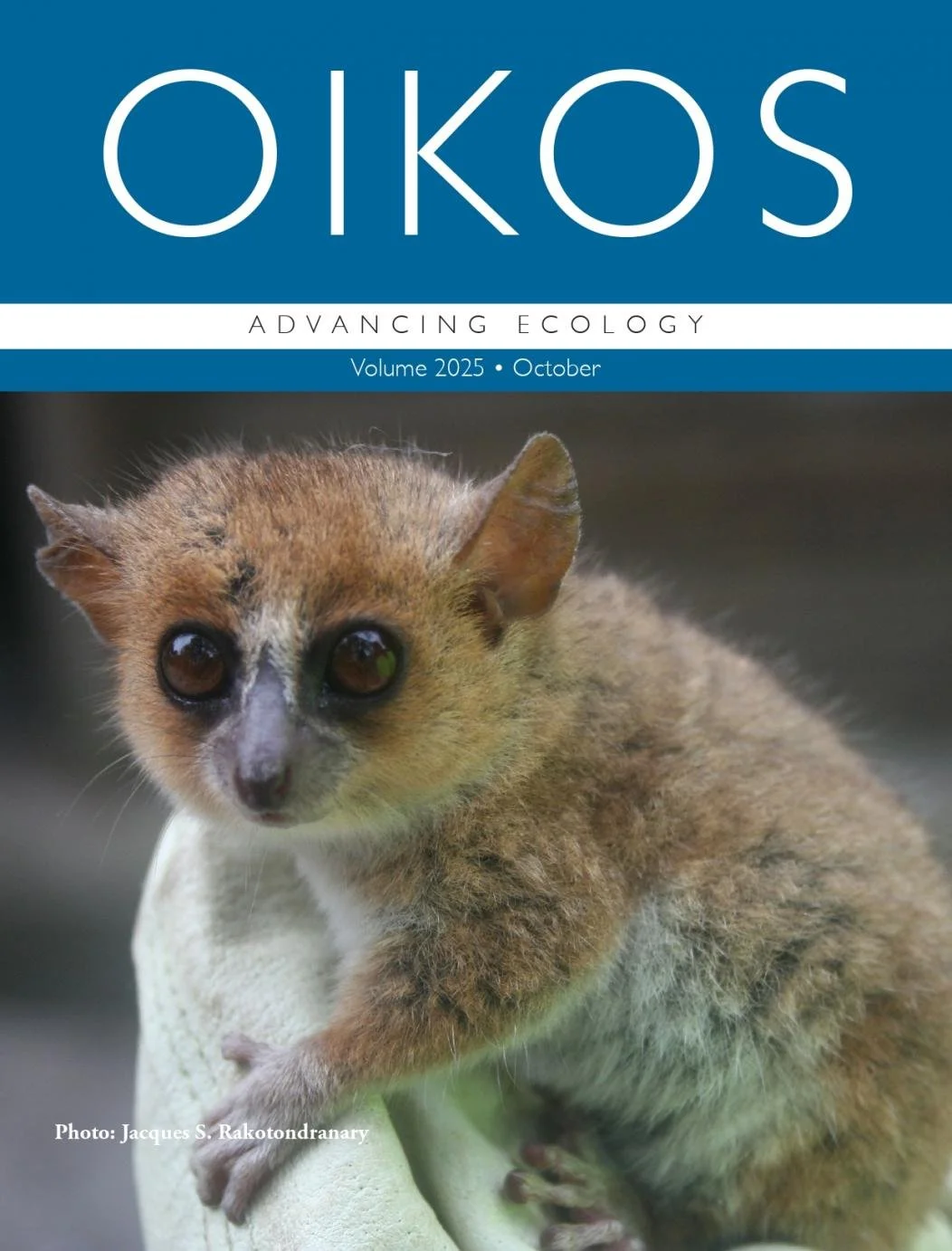
Cover | Protecting forests for mouse lemurs in Madagascar
A study of mouse lemurs in Madagascar shows that protected forests significantly boost survival compared to degraded habitats. Photo by Jacques S. Rakotondranary.
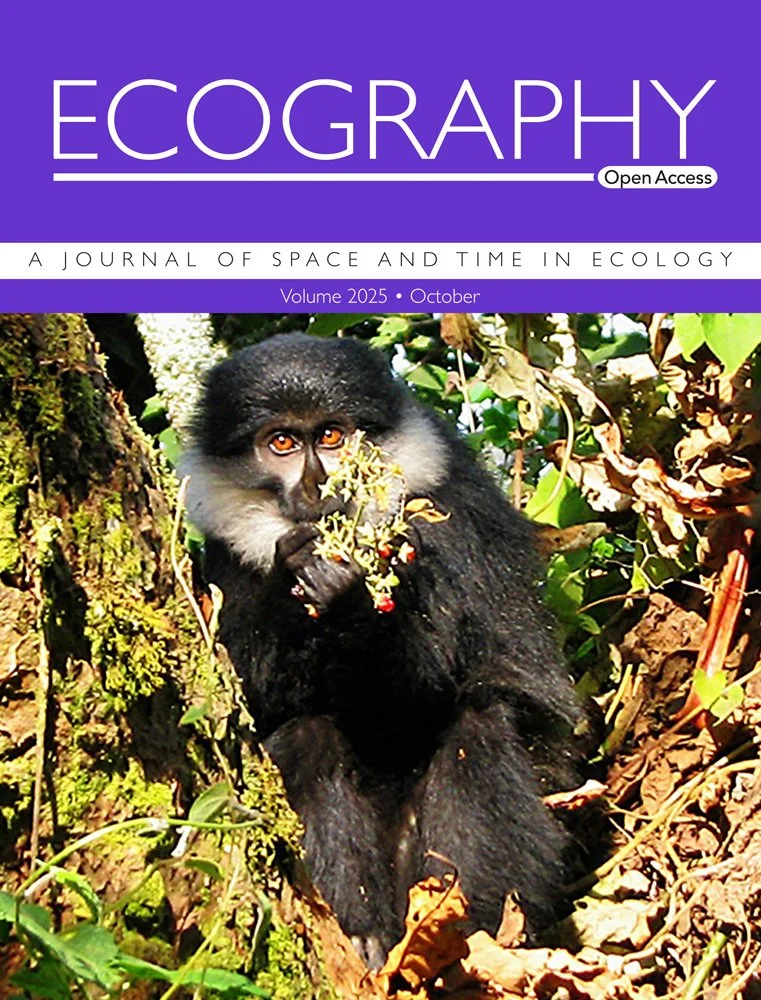
*Cover | The division of food space among mammalian species on biomes
L’Hoest’s monkey (Allochrocebus lhoesti) feeding at Nyungwe Forest National Park (Rwanda). Photo credit: Rafael Barrientos. Read the full open access paper.
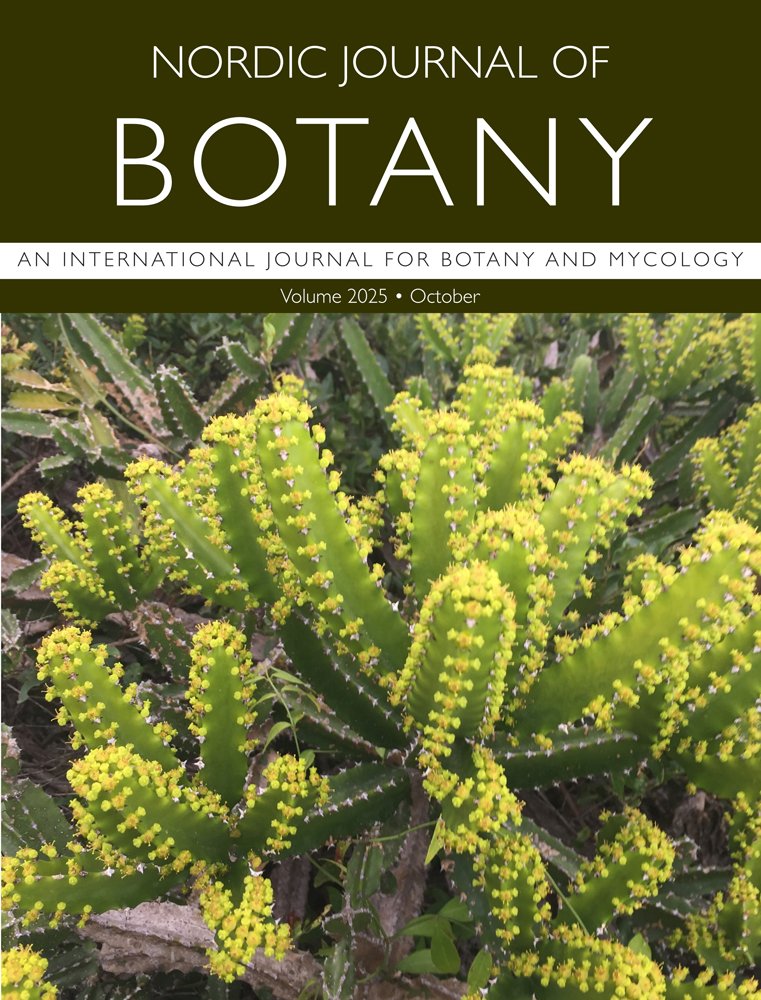
Cover | Euphorbia paraikalli sp. nov., a new succulent species from Peninsular India
A new succulent species, Euphorbia paraikalli, is identified in India, distinguished from relatives and found in scattered hill populations.

Call for Papers | Special issue “Tundra Transitions”
Due by 30 Nov 2025: NJB invites abstract submissions to the special issue “Tundra Transitions: Understanding Vegetation Change Across Scales and Systems.”
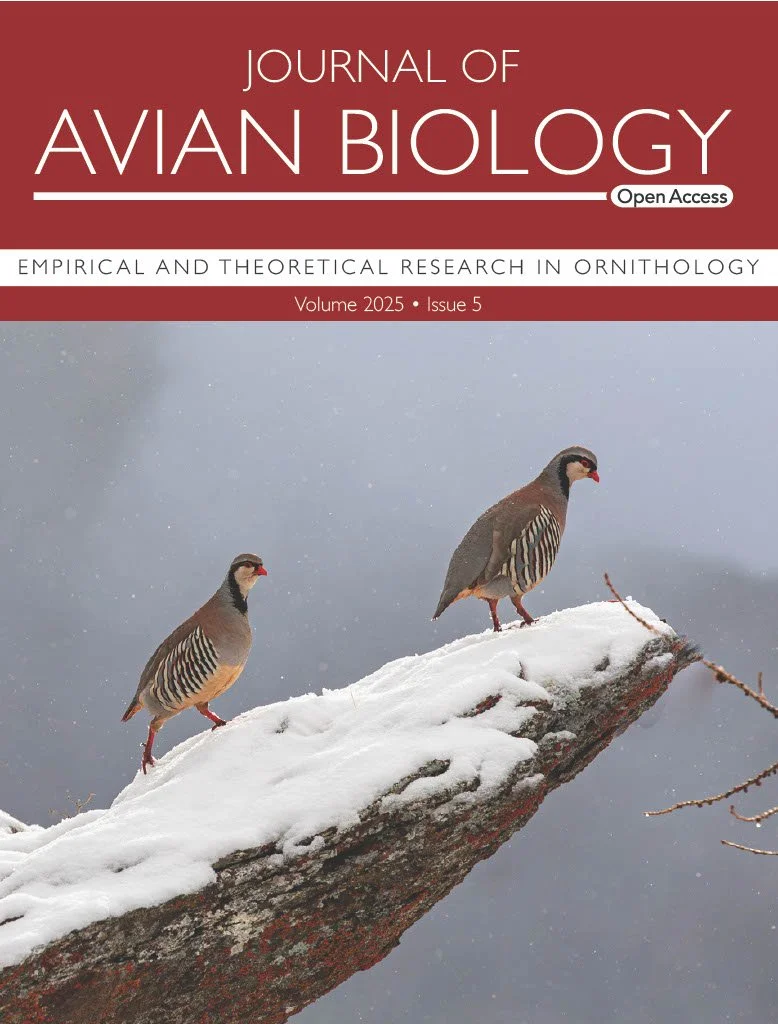
*Cover | Incubation behaviour in a double-nesting alpine bird Alectoris graeca saxatilis: similar nest attendance by males and females
September-October cover depicting a rock partridge pair, featuring the article 'Incubation behaviour in a double-nesting alpine bird Alectoris graeca saxatilis: similar nest attendance by males and females' by Bernard-Laurent et al. Photo credit: Jean Guillet.
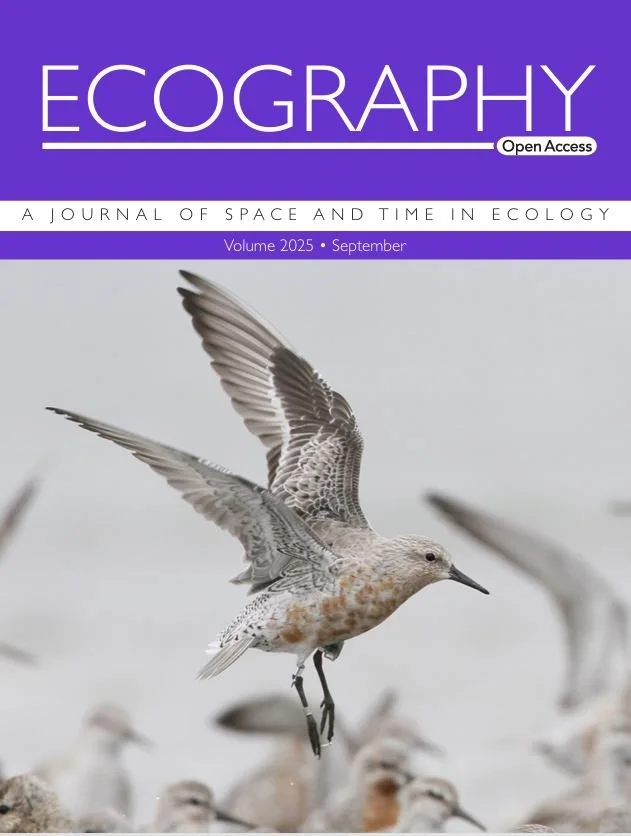
Cover | Shape-shifting in relative wing length of juvenile shorebirds
This month’s cover photo features a red knot in flight, illustrating a paper by Ryder et al. that looks at changes in wing length in 20,000 juvenile shorebirds from 11 species over the past four decades.
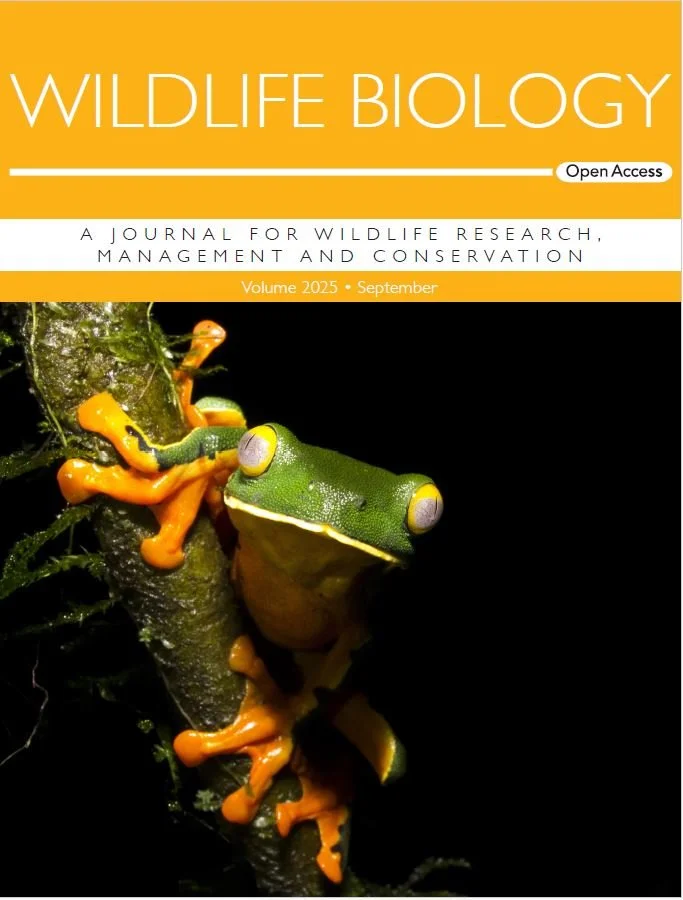
Cover | Batrachochytrium dendrobatidis and amphibian diversity
Delia Basanta captured this splendid tree frog (Cruziohyla calcarifer) from Panama, featured on our January-February cover.
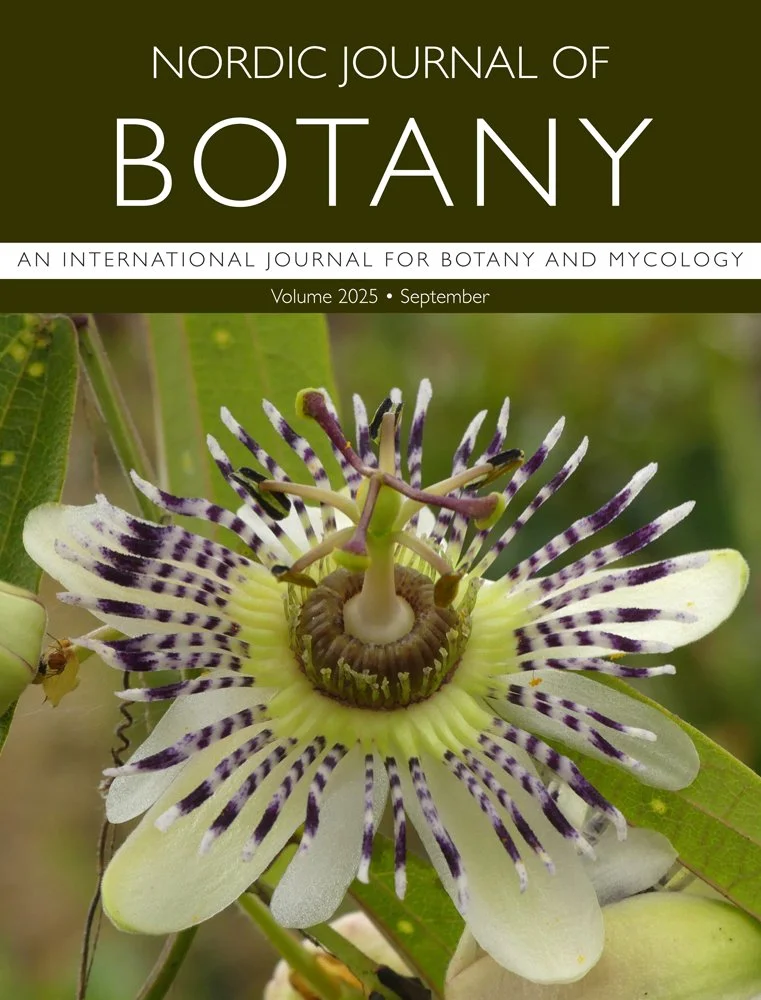
Cover | A new species of Passiflora
A new Passiflora species from Ecuador is described, highlighting localized diversity in a poorly explored region.
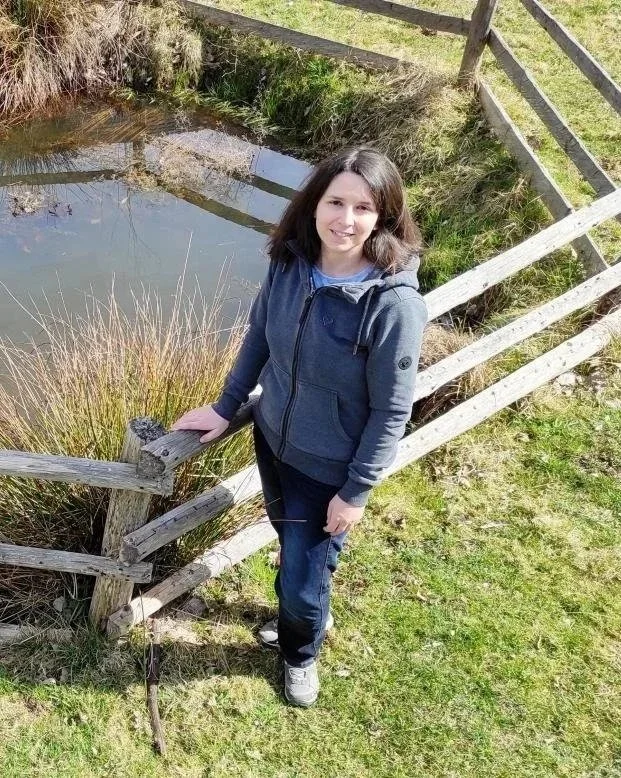
New editor | Zsófia Horváth, subject editor for Oikos
Dr. Zsófia Horváth studies how connectivity sustains aquatic biodiversity in ponds and how how networks of secondary habitats operate in urban environments.

New editor | Elisa Thébault, subject editor for Oikos
Dr. Elisa Thébault aims to investigate the responses of communities and ecosystems to global changes and to better understand the links between diversity, structure of interaction networks between species and stability of ecosystem functioning.

*Study | Brood awakening: how red kites weigh risk like feathered economists
Parental care is a balancing act — parents must protect their young while minimizing risks to themselves, to ensure current, but also future reproductive success.