
Cover | 450 Hours Above the Wild
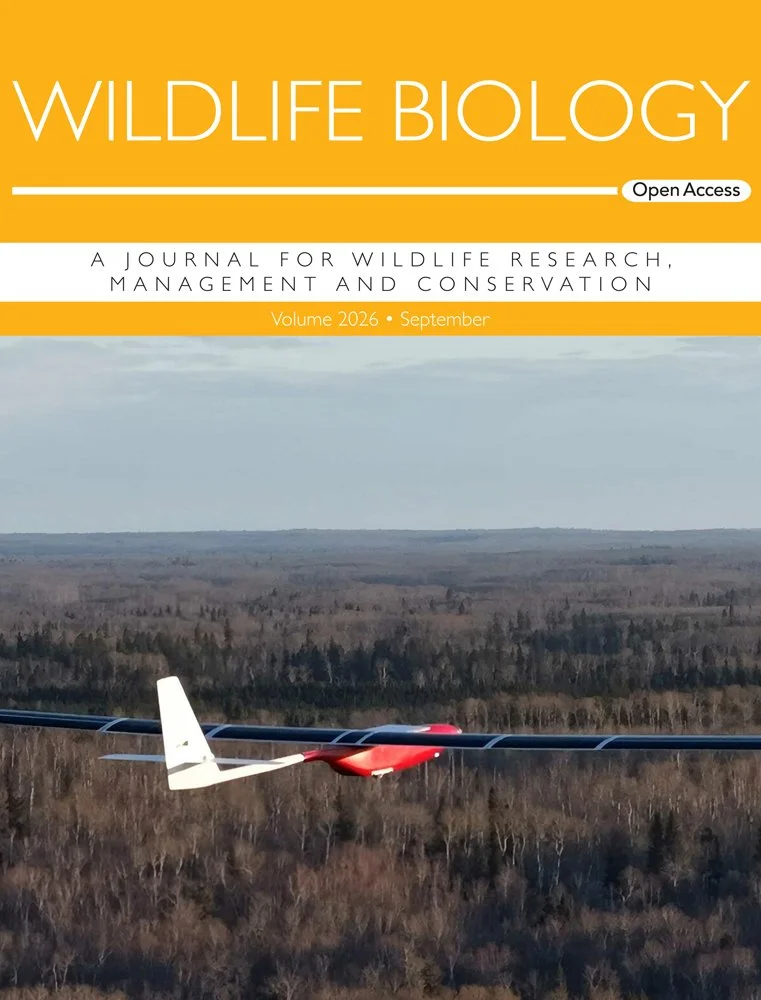
September/October Cover
Download the high-resolution image
A fixed-wing, solar-electric small uncrewed aerial vehicle (UAV) was used to monitor wildlife. The solar cells that were attached to the upper wing surface, complemented the available electric power for propulsion and payload.
Subsequently, very long flight times of around eight hours were possible even at temperatures well below zero. The payload usually consisted of different camera suits, such as IR or RGB.
The payload and the aircraft were operated from a ground station that connected through a satellite connection. The small UAV had a relatively small visual and acoustic footprint and appeared to cause little to no disturbance to the observed animals.
From the abstract:
This report discusses the effectiveness of using small solar-electric UAV (uncrewed aerial vehicles) for aerial wildlife monitoring. We review four years of aerial wildlife monitoring missions using a 5.5-m wingspan, solar-electric UAV that was equipped with a gimballed IR/RGB camera.
The effectiveness criteria included the ease of operability, the ability to collect applicable data, the disturbance to animals and humans, and the ability to complete large-area wildlife surveys. The solar-electric aircraft was operated for approximately 450 h of monitoring missions under various environmental conditions during all seasons, including at temperatures of −30°C. The UAV was flexible with respect to launch and recovery locations, for example, operating from frozen lakes, fields and roads.
Due to the low acoustic footprint of its electric propulsion system, the aircraft did not appear to disturb wildlife, despite flying at relatively low altitudes of 120 m or less above the ground. Its solar-electric architecture allowed for flight times in excess of eight hours. Subsequently, the aircraft was capable of monitoring relatively large areas.
In summary, small solar-electric UAV have shown merit for wildlife monitoring missions and may serve as a valuable tool for wildlife biologists.
Wildlife Biology—who are we?
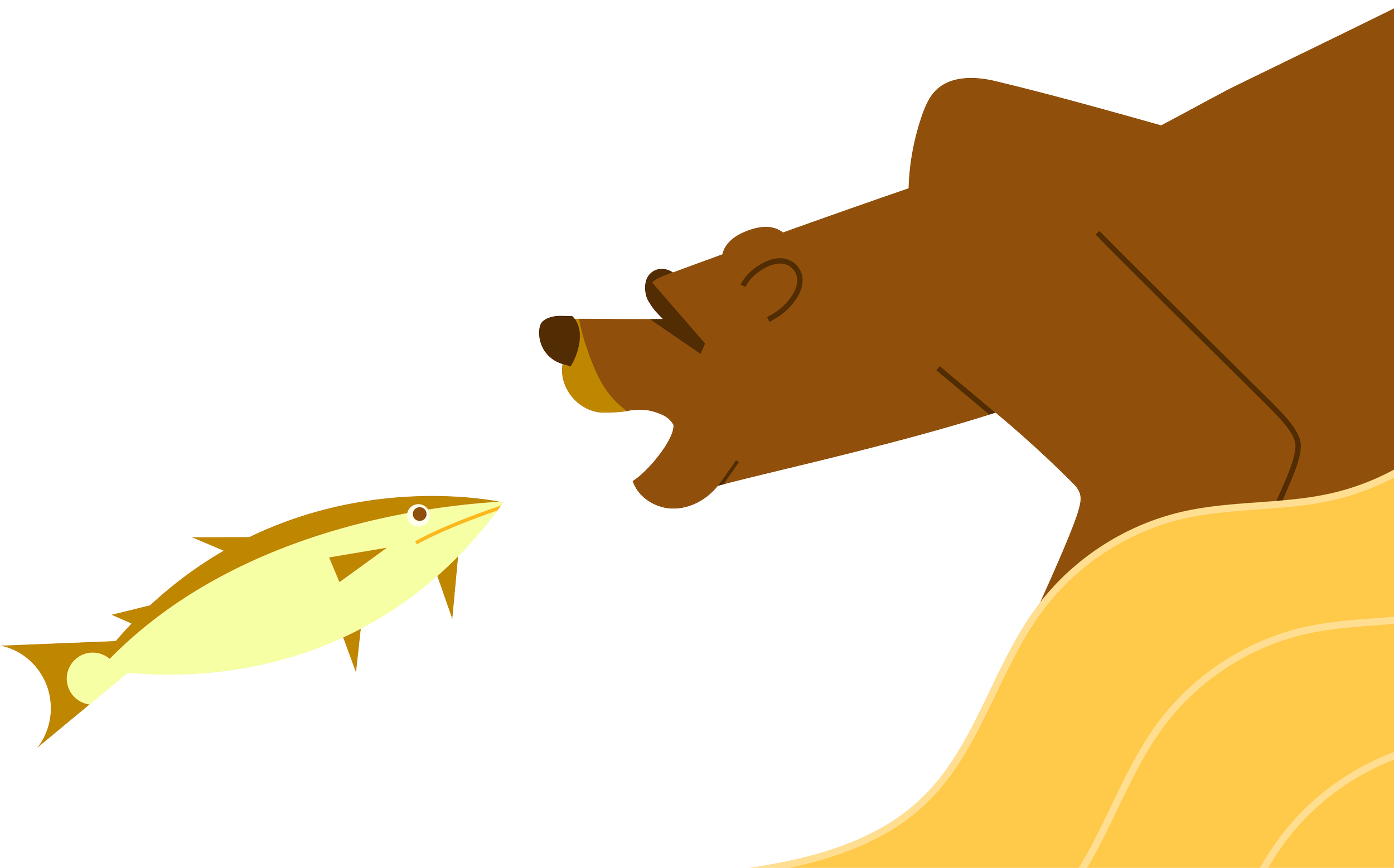
WILDLIFE BIOLOGY: Journal for Wildlife Research, Management, and Conservation is an Open Access journal owned by the Nordic Society Oikos.
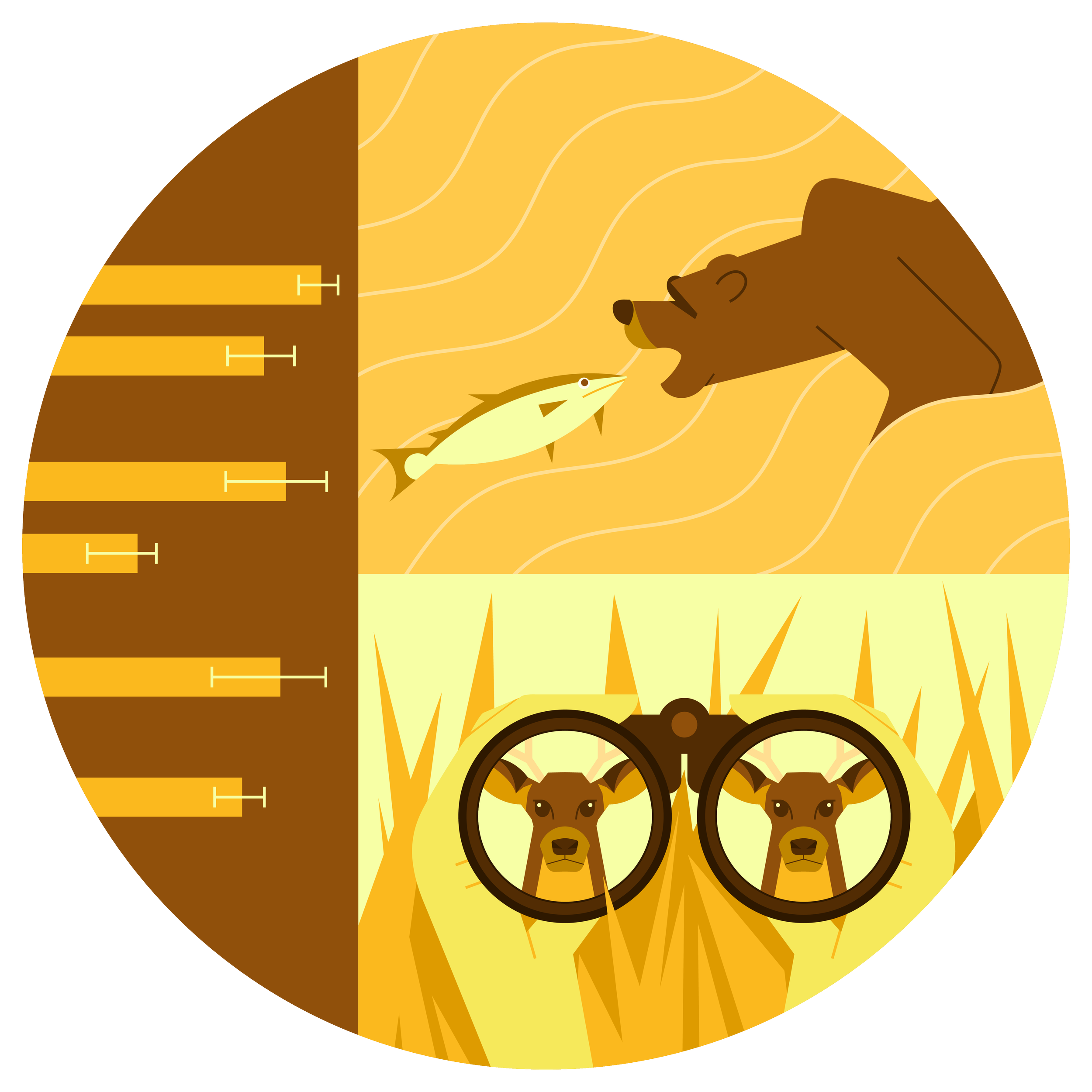
Our journal promotes a scientific basis for the conservation and management of wildlife and human-wildlife relationships. We adopt a broad concept of wildlife management to safeguard sustainable relationships between wildlife and other human interests. This includes all policies and actions with the purpose of conservation, sustainable use, or control of wildlife and its habitats. We welcome theoretical, empirical, and practical articles from all areas of wildlife science.
Thinking about publishing with us?
Wildlife Biology publishes research, review, and management Articles as well as short Communications.
We value ethical standards in science (EDI, Open Access, waivers, accessible data and code, CRediT)
Check out Wildlife Biology’s journal metrics and see our Author Guidelines
Our journals, our society—join us!
The Nordic Society Oikos engages the global scientific community through five international journals…

…and supports the national ecological societies of the five Nordic countries. Anyone worldwide can join the Nordic Society Oikos.
NSO is a home for ecologists, a nexus for knowledge, and a guiding light for ecology worldwide. We are an active network of ecologists in the Nordic region and around the globe.
Why join NSO? Membership benefits include:
Connections across a global community of ecologists and five national societies
NSO newsletters with member-only updates about Nordic ecology and society activities
Ongoing opportunities for promotion on NSO’s digital platforms and social media channels
Discounted registration for NSO’s biennial conference
Eligibility to apply for NSO Grants
Each member receives additional benefits from one of our five national societies:
Danish Oikos Society
Oikos Finland
Icelandic Ecological Society
Norwegian Ecological Society
Swedish Oikos Society
When you join NSO, you also become a member of one of our national societies. Which one? That’s up to you! Each national society provides its own benefits, including discounts to national conferences. Learn more about us at nordicsocietyoikos.org.