
Forum | Insularity and early domestication
Oikos Forum paper:
Insularity and early domestication: anthropogenic ecosystems as habitat islands
Robert N. Spengler III
Maybe humans take too much credit for domesticating plants and animals. This Forum paper argues that the human-friendly qualities of our pets, livestock, and crops could have arisen without selective breeding or other human-centric mechanisms that are usually assumed. Instead, it explores an ecological mechanism: the island syndrome.
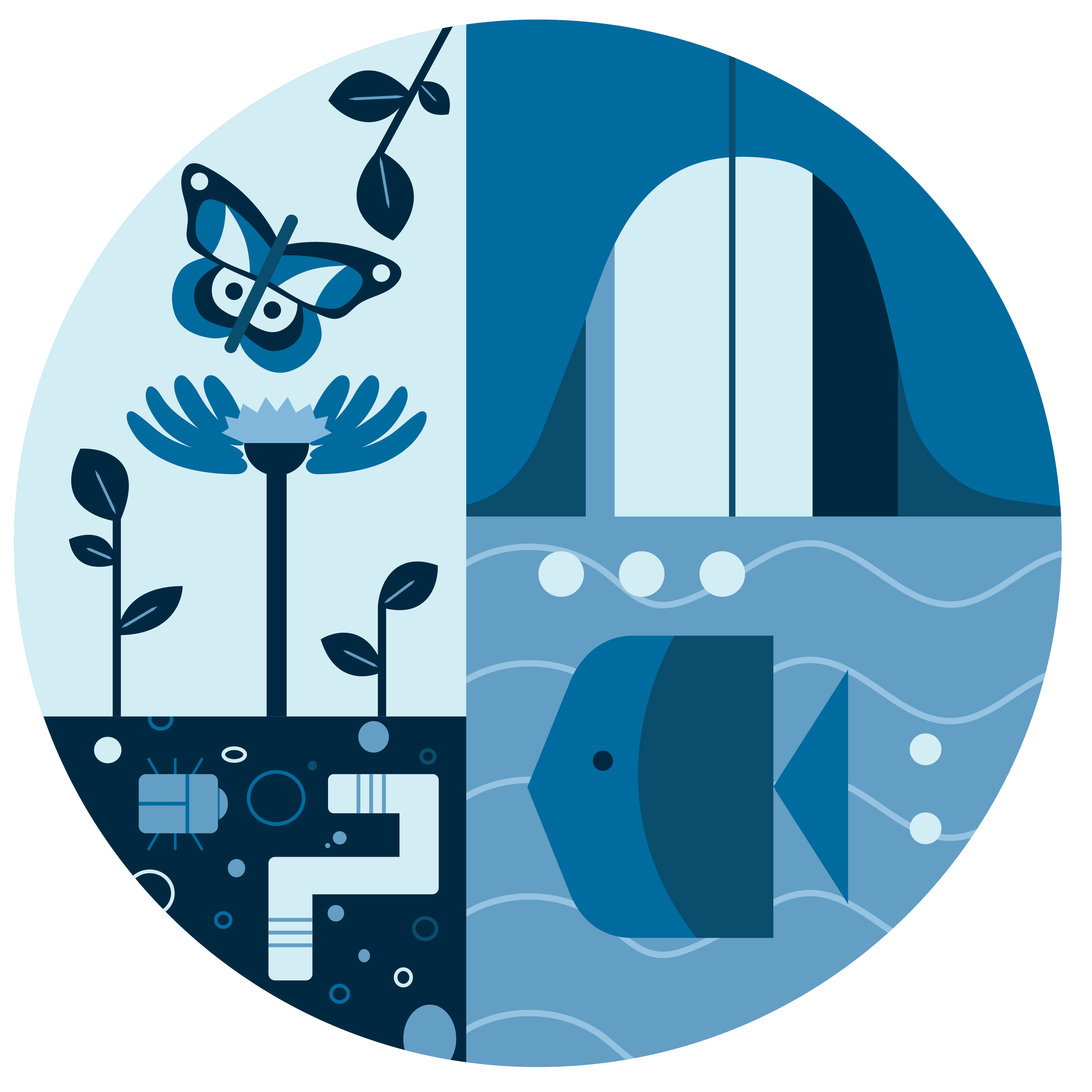
Think of early farms and villages as islands. The author draws parallels between the processes of domestication and island evolution, suggesting that the same ecological forces may be responsible for both. Both island plants and cultivated crops tend to have bigger and less dispersible seeds than their ancestors. Animals on islands and in human habitats can lose flight ability, fear responses, and patches of pigmentation, among other changes.
Why such parallel patterns of evolution? It could be that when plants and animals find their way to islands or other insular habitats—ranging from early villages to modern cities—they are released from predation and competition pressures. Domestication scholars and island biogeographers would benefit from comparing notes, the author concludes.
Oikos Forum is a place where ecological ideas can be kicked around and examined from new angles. Forum papers bring together multiple fields, push boundaries, and offer new ways of interpreting existing data. They strive for conceptual unification and serve as a point of departure for future work rather than simply summarizing previous bodies of theory and data. Through the Forum we seek to challenge current thinking on ecological issues and provide a high level of synthesis in the field of ecology.
Forum artwork and summaries by Abby McBride/Sketch Biologist
Oikos—who are we?

OIKOS: Advancing Ecology is a leading and longstanding journal in ecology, owned by the Nordic Society Oikos.
We publish innovative empirical and theoretical research that spans across diverse taxa, systems, and disciplines. With a focus on advancing our understanding of ecological mechanisms, processes, and patterns, Oikos fosters debate and speculation, encouraging innovative and provocative ideas that shape ecological thinking. Alongside standard Research papers and Meta-Analyses, we have unique categories of Forum, Ignite, and Dialogue papers.
Thinking about publishing with us?
Oikos offers optional sections for speculations and alternative viewpoints.
We value ethical standards in science (EDI, accessible data and code, CRediT)
Check out Oikos’s journal metrics and see our Author Guidelines
Our journals, our society—join us!
The Nordic Society Oikos engages the global scientific community through five international journals…
…and supports the national ecological societies of the five Nordic countries. Anyone worldwide can join the Nordic Society Oikos.
NSO is a home for ecologists, a nexus for knowledge, and a guiding light for ecology worldwide. We are an active network of ecologists in the Nordic region and around the globe.
Why join NSO? Membership benefits include:
Connections across a global community of ecologists and five national societies
NSO newsletters with member-only updates about Nordic ecology and society activities
Ongoing opportunities for promotion on NSO’s digital platforms and social media channels
Discounted registration for NSO’s biennial conference
Eligibility to apply for NSO Grants
Each member receives additional benefits from one of our five national societies:
Danish Oikos Society
Oikos Finland
Icelandic Ecological Society
Norwegian Ecological Society
Swedish Oikos Society
When you join NSO, you also become a member of one of our national societies. Which one? That’s up to you! Each national society provides its own benefits, including discounts to national conferences. Learn more about us at nordicsocietyoikos.org.