
Cover | What does the white-tipped sicklebill tell us about connectivity and gene flow across the Andes?
Photo of a white-tipped sicklebill. Photo credit: Paula Carrera Levy.
2026 Issue 3 Cover
Photo by Paula Carrera Levy
Download the high-resolution image
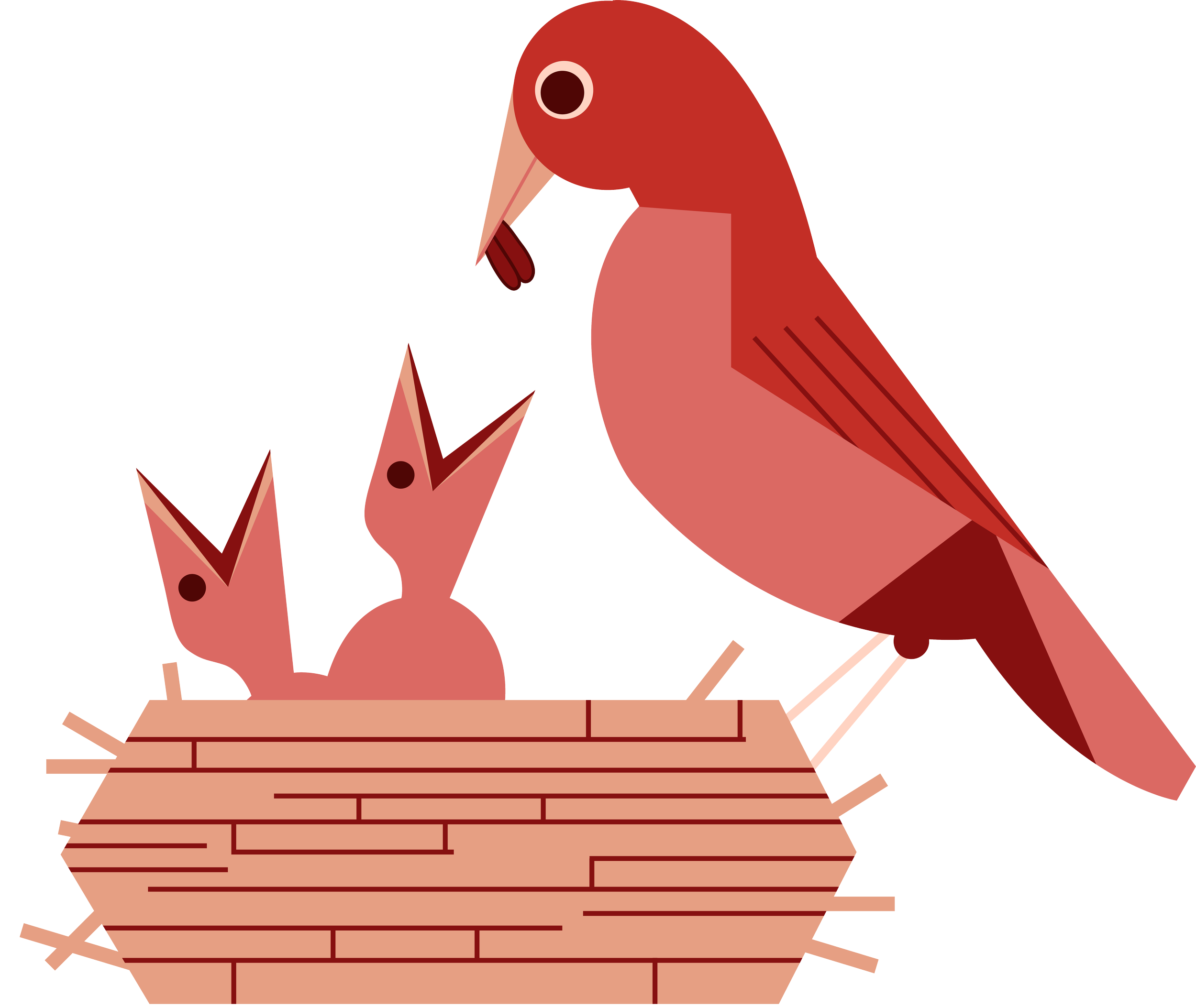
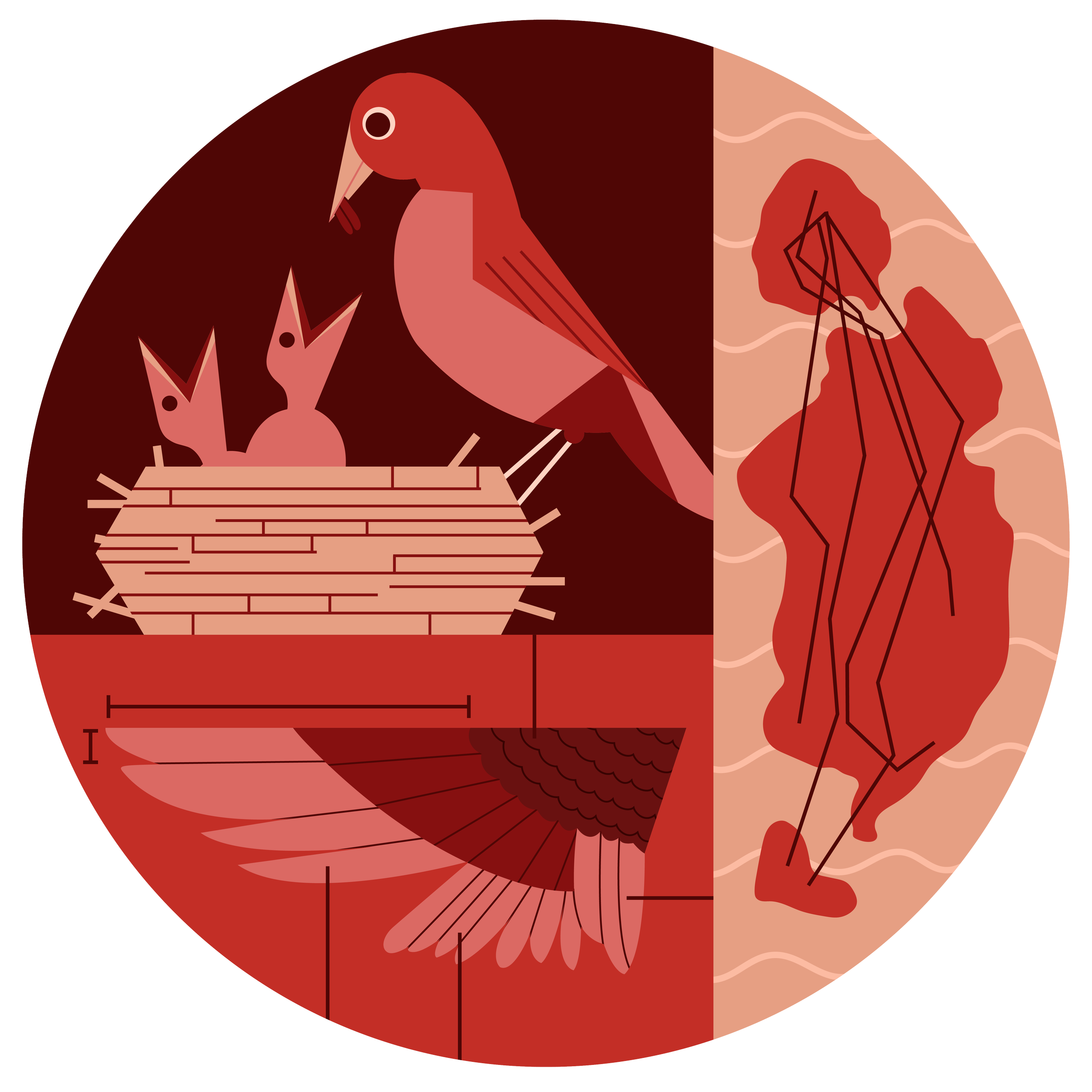
Our 2026 issue 3 cover depicts a white-tipped sicklebill.
Read the open access paper in Journal of Avian Biology, by Rosado- Llerena et al. (2026): Exploring Andean foothill connectivity: insights from population divergence in the white-tipped sicklebill, Eutoxeres aquila
Abstract:
The Northern Andes, acting both as barrier and corridor, exert strong influence in Neotropical biodiversity. Still, the diversification of foothill taxa inhabiting ecotonal zones between lowland rainforest and montane environments in this region remains poorly understood. We investigated the evolutionary history of Eutoxeres aquila, a hermit hummingbird distributed across Central America, the Chocó, and both Andean slopes. Using mitochondrial DNA (ND2 and cytb), morphometrics, resistance surface analyses, and ecological niche models, we examined the potential roles of topography, connectivity, and climatic oscillations in shaping lineage divergence. Phylogenetic analyses of 59 individuals of Eutoxeres aquila revealed two major clades: 1) an eastern clade (eastern Andean slope–upper Magdalena valley + mid Magdalena valley–Tamá), and 2) a western clade (western slope–N Central cordillera + Panama). Divergence from E. condamini occurred ~4.3 million years ago (Mya), while crown E. aquila diversification began ~0.9 Mya, coinciding with Pleistocene climate cycles. The Panama lineage diverged from the western slope–N Central cordillera ~0.4 Mya, suggesting post-Isthmus dispersal. Morphometric analyses of 69 museum specimens showed significant bill shape differentiation among regions, broadly consistent with genetic structure. Genetic distances among individuals were weakly correlated with both resistance and geographic (Euclidean) distances. Ecological niche projections indicated expanded connectivity during the mid-Holocene and LGM, but contraction and fragmentation during the LIG, with downward elevational shifts during colder periods (LGM and mid-Holocene) and upward shifts during warmer conditions (LIG and present). These models also revealed that ~227 500 km2 of long-term climatic stability areas concentrated mostly in Amazonia and the Chocó. These results highlight recurrent isolation and reconnection of mountain environments as key drivers of foothill diversification and emphasize the importance of ecotonal taxa for understanding Andean evolutionary processes.
Journal of Avian Biology—who are we?
JOURNAL of AVIAN BIOLOGY: Empirical and Theoretical Research in Ornithology is an Open Access journal owned by the Nordic Society Oikos.
We are a journal for innovative, hypothesis-driven research on the biology of birds, with a particular emphasis on ecological, evolutionary and behavioural studies. We welcome submissions that study avian biology across all levels of ecological organization, from organisms and populations to communities and ecosystems. The journal also welcomes studies that report negative results, provided they are conducted rigorously and are scientifically informative. As a Nordic Society Oikos journal, we advocate research that is fair, openly accessible and reproducible.
Thinking about publishing with us?
Journal of Avian Biology offers a Review Award for early-career researchers.
We value ethical standards in science (EDI, Open Access, waivers, accessible data and code, CRediT)
Check out JAB’s journal metrics and see our Author Guidelines
Our journals, our society—join us!
The Nordic Society Oikos engages the global scientific community through five international journals…

…and supports the national ecological societies of the five Nordic countries. Anyone worldwide can join the Nordic Society Oikos.
NSO is a home for ecologists, a nexus for knowledge, and a guiding light for ecology worldwide. We are an active network of ecologists in the Nordic region and around the globe.
Why join NSO? Membership benefits include:
Connections across a global community of ecologists and five national societies
NSO newsletters with member-only updates about Nordic ecology and society activities
Ongoing opportunities for promotion on NSO’s digital platforms and social media channels
Discounted registration for NSO’s biennial conference
Eligibility to apply for NSO Grants
Each member receives additional benefits from one of our five national societies:
Danish Oikos Society
Oikos Finland
Icelandic Ecological Society
Norwegian Ecological Society
Swedish Oikos Society
When you join NSO, you also become a member of one of our national societies. Which one? That’s up to you! Each national society provides its own benefits, including discounts to national conferences. Learn more about us at nordicsocietyoikos.org.